A Facebook post titled ‘Flying High with Newly Weds’, a cynical take by a sixty something flyer on a newlywed couple’s antics on a flight, lead me to write this post. Just to give you a little bearing of where I am coming from, this gentleman was sitting next to this couple and has poked fun at the goings-on during the flight, no there was nothing untoward or ‘mile high club like’ it was just stuff like mutual adoration, pulling out the longest noodle from their cup noodles competition etc. that he has commented upon and seriously doubted that these sentiments would last more than a couple of years.
This lead me to want to share my flying experiences as a couple. My partner and I have made dozens of flight trips together and to disappoint that cynical writer, the narrative has remained pretty much the same. Yes there is that wee bit of tension while locking the house and getting to the airport as I am happy go lucky to an extreme and he more circumspect about locking the house, needing to check things like the gas mains being switched off, the windows and doors being secured, not once but multiple times. He also likes to get to the airport three hours in advance, I resisted this for a few years fearing that the journeys were as it is so long and that this just added to them, therefore unnecessarily exhausting us further, but he has now won me over with the argument that the earlier we go to the airport , the earlier our holiday starts and I am now a convert to his way of thinking. What also helped is getting an Airport Lounge Membership, so its truly relax time, once we get through immigration and security.
The fun starts at the check-in counter itself, in more recent times, having web checked in and being at the airport three hours in advance we sail through check inn, this post is not about the minor skirmishes that we have faced at this stage thanks to incompetent staff so I need not elaborate on them. Then we head for immigration, we always go to the immigration guy together, yes they are mostly guys, the only time that I recollect the immigration officer being a lady was at Dubai Airport. We have a little chat with him, if he is so inclined, we have left most immigration officers, if not laughing, at the least smiling in our wake. Then it is off to security, we unfortunately have to separate ways for a bit, I always say a cheery Hello to the officer and stand like a scarecrow with my arms out at the sides for the body check and invariably get a compliment for being such a good subject. We then unite like long lost lovers and just as we reach the duty free shops, I let out a loud whoop, this whoop is unchanged over all the years, and even though I write of it here it is absolutely spontaneous. Then we head to eat/ lounge and get on the flight. When the configuration is such that there would be someone sitting alongside us, we get on the flight with some trepidation. Over the years I realized that rather than thinking of this person as the enemy, he or she should be befriended and since then, I have taught many a bucolic ‘Bebe’ (old lady) who would be petrified of the journey to relax, sit back, on occasion on her being willing to have a drink, Bailey’s is always a hit, and watch the TV. For us, her guffaws thereafter on the Hindi comedy she is watching simply add to our romance.
Now, about us love birds. On takeoff, we hitherto unreligious types, do say a prayer for a safe flight and another chanceless holiday.
The discussion about how many movies we are going to watch starts weeks before taking the flight, once we get on the first thing we do is check-out the movies, we then have a discussion over these and yes (fanfare) we must watch all movies in unison, so they are timed or when necessary paused while the other gets there as we want to have the identical flight experience. We hold hands, laugh and cry together. Then comes the discussion on the drinks and food, this is painstaking, yes we could well be in a Michelin star restaurant. The wine bottle is stared at to see if it is any good, the juice quality is considered and then the same drink is ordered, my partner will as at home land up feeding a part of his snack to me, cause I have gobbled mine up fast and he lovingly wants to feed me his. Drinks are matched, jokes are cracked with the air hostess, she is always ready to supply us whatever and whenever but other than getting even happier we have never drunk ourselves silly on a flight nor would we encourage anyone else to.
Now, starts the tango as two hours into the flight our hearty size and its infringing on the others space becomes more obvious, my partner sleeps more easily, so on occasion I will let him sprawl into my chair and go and stand in another quiet cabin so that he can spread out and have a good sleep, these days, as we invariably go on road trips and he has to start driving the moment he lands in a foreign country, letting him sleep is probably selfish rather than benevolent on my part. But, now I come to the most romantic part of my journey, it is when I need to use the loo, till date, not a flight has gone by, when he does not first clean the entire loo and only then let me enter, this act for me is the most romantic act of all, on these journeys and yes, it makes me feel like a queen and makes me think of him as an Olympic gold medalist.
I joined my second boarding school in June 1982, at the age of 10. The term ended earlier than usual in mid-November as India – New Delhi was hosting the 1982 Asian Games from a week later. Chickenpox was in the air at school, the week before we went home for those winter holidays, the girls that slept on either side of me in my dormitory were down with it. It was inevitable that I would get it. Much discussion had ensued amongst my classmates about how dangerous Chickenpox was to an adult who had hitherto never had it, and it had been drilled into me that such adults would surely die if they contracted it.
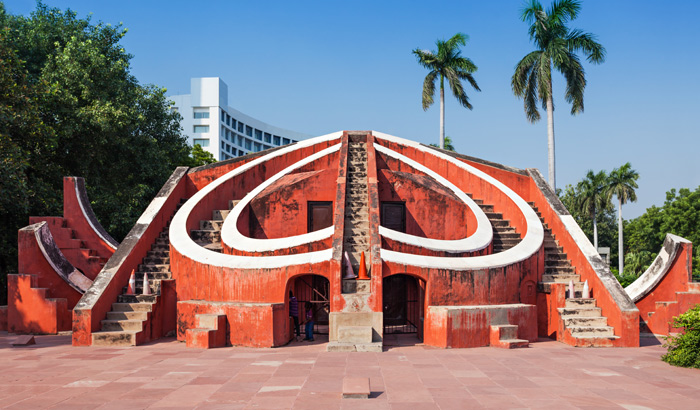
The Sun Dial at Delhi – Jantar Mantar the Symbol of the Games and the beloved mascot Apu the Elephant
The moment I reached Delhi I kept a distance from my mother, who I knew had never had Chickenpox, I refused to hug her and told her that I must be left alone as I was contagious. Mother scoffed at my concerns.
A day later, I saw a pox appear on my left forearm, and my apprehensions seemed to be confirmed. I was alone at home, my mother was a protocol officer for the Asian Games and was working long hours.; I locked the house and walked the 250 meters to a local Doctors’ Polyclinic. I waited outside the clinic till my Doctor, Uncle Srivastava, a former student of my grandfather’s at the Armed Forces Medical College and a family friend, finished meeting his patients, as I wanted to avoid contact with them. When Uncle (it is a sign of respect in India to address elders with Uncle or Aunty), came out, I held out my arm from afar and said ‘Uncle I have Chickenpox’ he felt my forehead deduced that I had a temperature saw my heightened colour and the yet, solitary pox and said ‘that is an excellent prognosis’, that is how I learnt that word. He then wrote out a few medicines and knowing that I would not have any money on me, gave me 20 rupees and asked me to first go to the chemist, another 250 meters ahead, buy the medicines and then go home. I told him that he must find a way to contact my mother at the Asian Games Village and forbid her from coming home, he laughed and said not to worry, he said adults rarely get Chickenpox and assured me that even if she did, she would not die.
I spent the next two weeks alone in the house during the day. It was a wonderous time as the Games were telecast live throughout the day and I was thrilled with the novelty of being able to watch daytime television in India. India, in that era had state run television and the programs were normally aired just for a few hours every evening.
A friend of mother’s had returned to India from a foreign trip and gifted us a few of packs of Maggi chicken and fish stock cubes, a box of Beluga Caviar and some chocolate. For lunch, rather than eat whatever my mother had cooked, I preferred to mix a stock cube in hot water and drink it as a soup along with toast with caviar on it, what a life. The chocolate of course could not have lasted more than an hour. I am pretty sure that the pill box sized caviar container also could not have lasted very long and eating it everyday is probably just a luxury my imagination allows me.
Two weeks went by. I had pretty much recovered. One evening, during this time, another friend of my mother’s, an adult, stopped by to leave me a book to read and gave me company for half an hour or so, sitting all the while at a distance from me. A couple of days later she was detected with Chickenpox. My fear returned, I was sure that I was contagious and would be the death of others. My mother said not to worry, Aunty would be fine, though, I recollect that she did get a far more severe case of it than I.
The Asian Games then came to an end and being a Protocol Officer, my mother had passes which would let us in to the Presidential Box for the Closing Ceremony, she insisted that I not miss the opportunity. I told her that I was too scared that I would infect others. She said I had recovered, she made me speak to the Doctor who confirmed what she was saying, but I was not convinced.
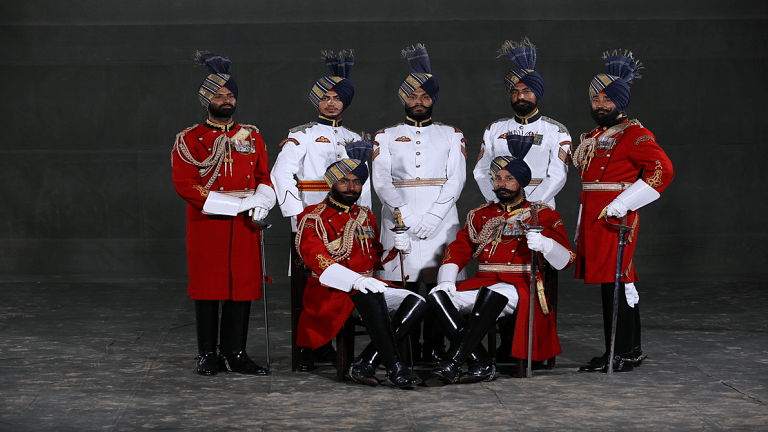
I reluctantly went to attend the Closing Ceremony. I remember walking past the President’s Bodyguards, six handsome men of above six feet height resplendent in their ceremonial uniforms and was apprehensive that I had spread Chickenpox to them and maybe to the then President of India – Giani Zail Singh.
The President’s Bodyguard
I sat quietly and alone at the back of the box; my mother was on duty and went about her work. A little later, she entered the box to seat Milkha Singh ji and his son and asked me to vacate my seat to accommodate them. Milkha Singh ji asked her, who the pretty child was and she said I was her daughter. I had been cringing away from him to keep him safe, but the moment he heard I was my mother’s child he swept me into his arms and kissed my cheeks. The very cheeks that a week earlier had had the scabs of the poxes. I pushed him away and ran out, he thought I was shy, I was just scared that I had given Chickenpox to the most famous track athlete India had ever had.
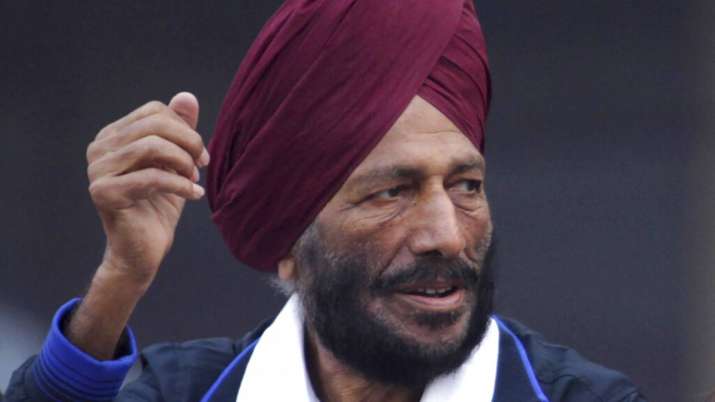
Milkha Singh, the Flying Sikh 1960 Olympics, he came 4th in the 400 mtrs race
I quizzed my mother each day of the remaining holiday about Milkha Singh ji’s well being.
Milkha SIngh circa 1982
Milkha Singh ji, thankfully survived his run-in with me and the Chickenpox virus, and lived another 39 years, unfortunately succumbing to the Coronavirus on 18th June, 2021, at the age of 91, may he rest in peace.
There is a little bit of magic in all our lives. But do we always notice and acknowledge it?
I, personally, look for magic and find it more often than not, and finding magic can make a mundane and ordinary day into an extra-ordinarily happy one, it makes you feel special, it makes you feel that the universe thinks about you and cares for you and that you will be fine, no matter what rages around you.
This is an account of a little bit of fragrant magic that tickled my nose a couple of days back.
Since my partner and I pretty much lived from one travel to another, the hiatus that the dastardly Coronavirus has brought to this activity means that we have had to learn to live our life differently. Yet the travel bug causes an itch ever so often, re-living memories of old trips is the only salve for the present.
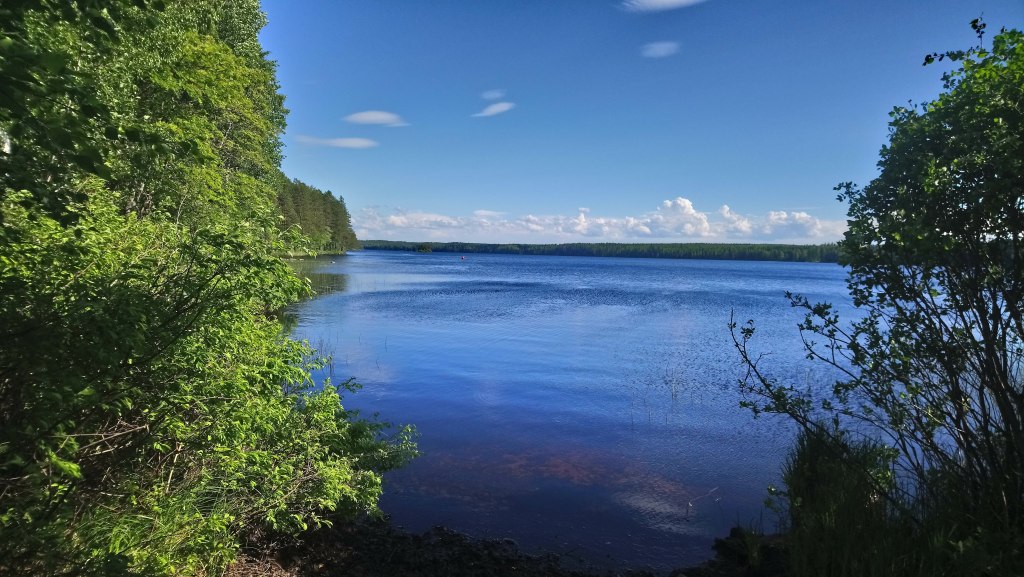
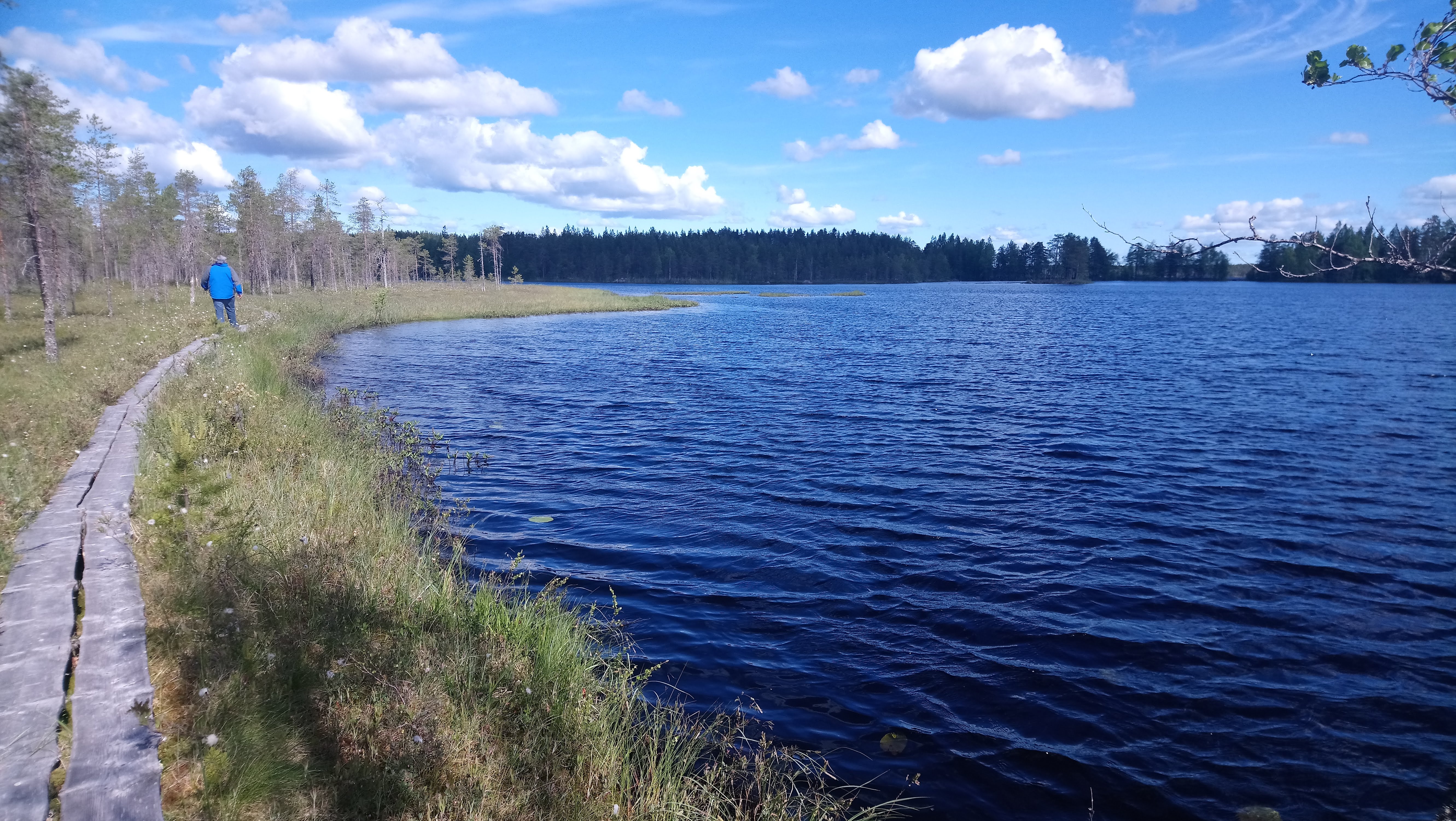
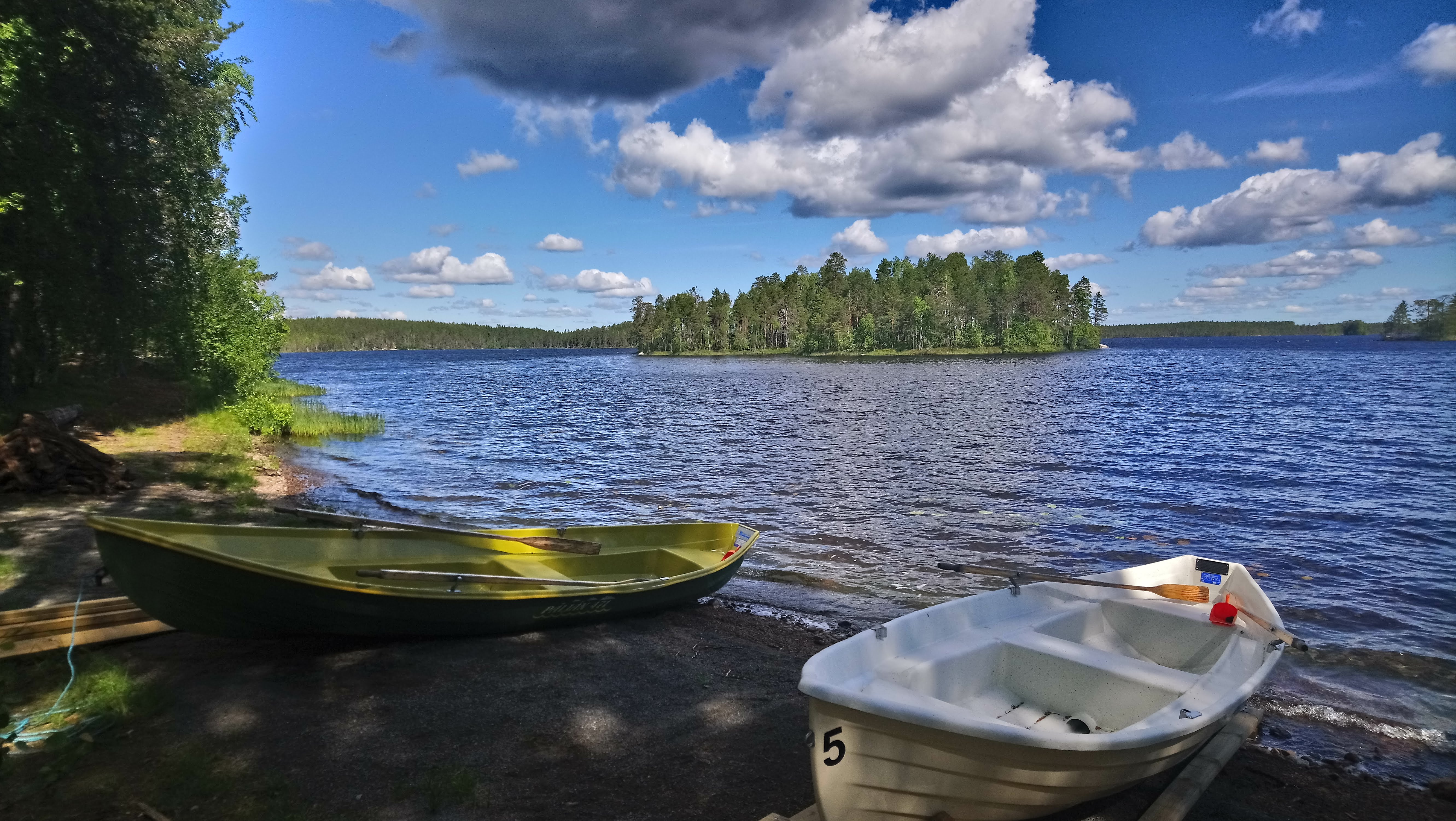
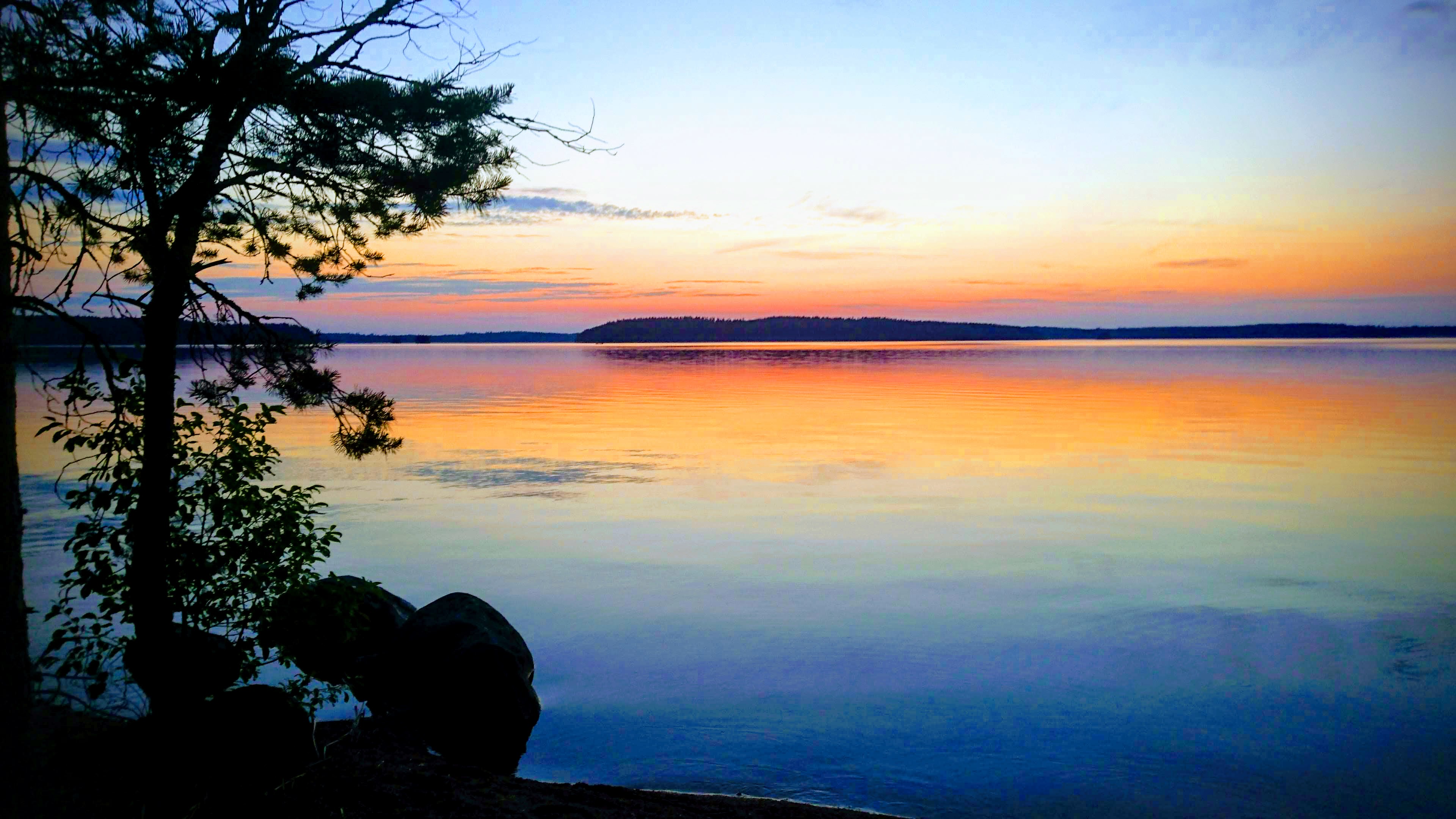
Last week we were going through our photos from 2018, of a trip to Finland at this time of the year. I shared the Facebook memory from our stay at a resort in Kivijarvi in Central Finland and in response a lovely Finnish lady whom we had befriended at the same resort in 2018, commented that she was there as she wrote. I replied, asking her to remember us to the beautiful Kivijarviand to enjoy on our behalf as well.
Kivijarvi
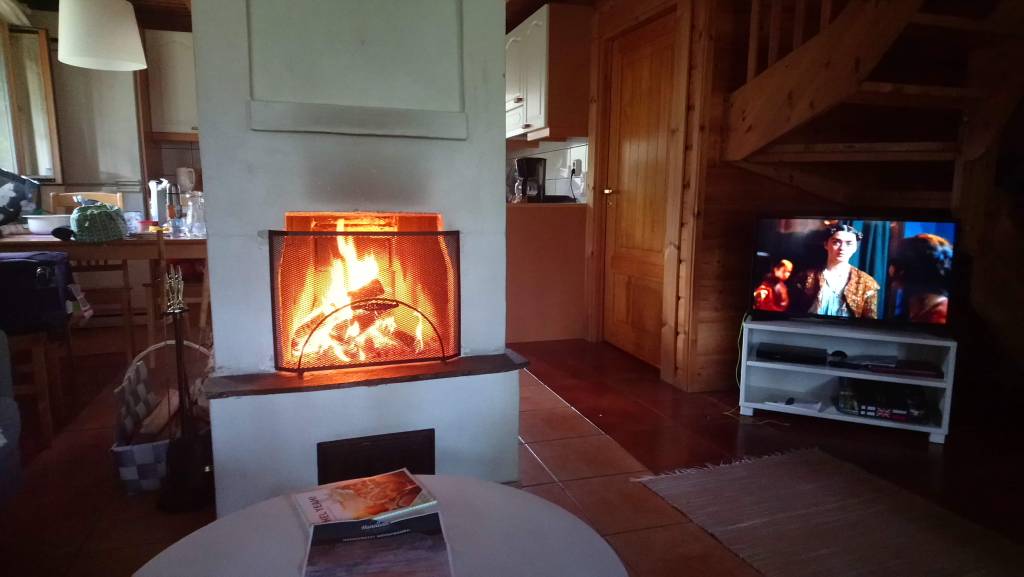
One of the memories synonymous with Kivijarvi, is a sensory memory, that of the sweet perfume that is emitted when you burn logs with lichen growing on them. We had been in Finland some two weeks before we reached the resort at Kivijarvi, and even though every place we had stayed at, had had a fireplace with the fire set-up, we had not lit a single one, feeling anxious that our lack of experience in how to go about it may render the wooden cabins unsafe. While in Kivijarvi we decided it was not rocket science, and not wanting to miss out on the opportunity went ahead and lit one. Soon after lighting the fire, a sweet smell pervaded our cabin, we were perplexed, we tried to solve the mystery, we checked for spills from our perfume bottles and found none. It was only when my partner went to add a log to the fire that he noticed the lichen and figured out that that was our fragrant friend.
We continued to light the fire the entire week we were in there and thoroughly enjoyed, what we termed as our aroma therapy.
Fire, Fragrance of Lichen and Game of Thrones, an awesome combination
Now let’s transport back to the present. A day after the Facebook post sharing the memories of Kivijarvi and the comment from my Finnish friend, I entered my living room late at night and was enveloped with the sweet smell of burning lichen, I was nonplussed, I attributed it to my fecund imagination and ability to re-create sensations felt in the past, I said nothing. A minute later my partner entered the room and started looking for a fire, I knew then that it was not my imagination.
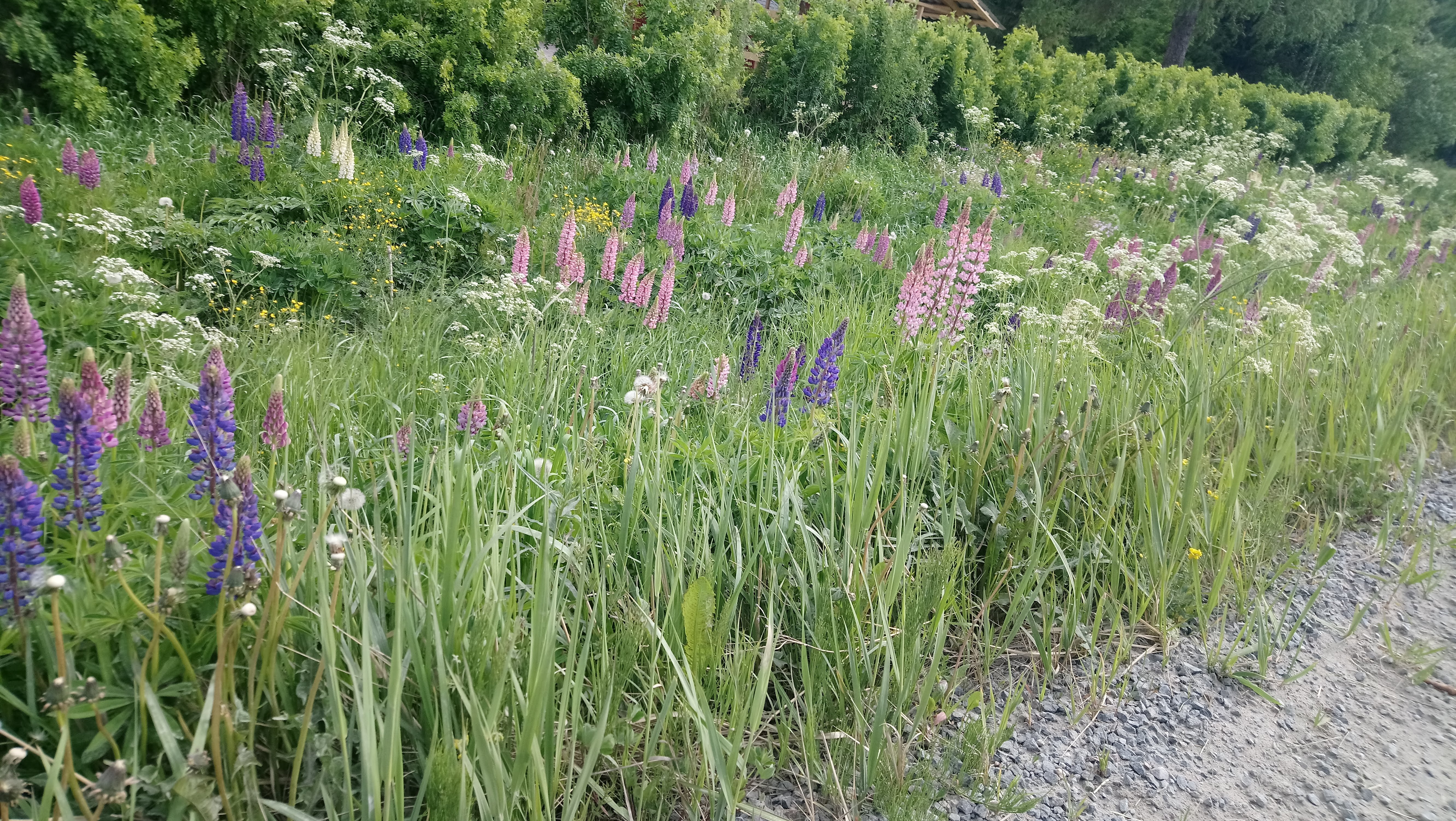
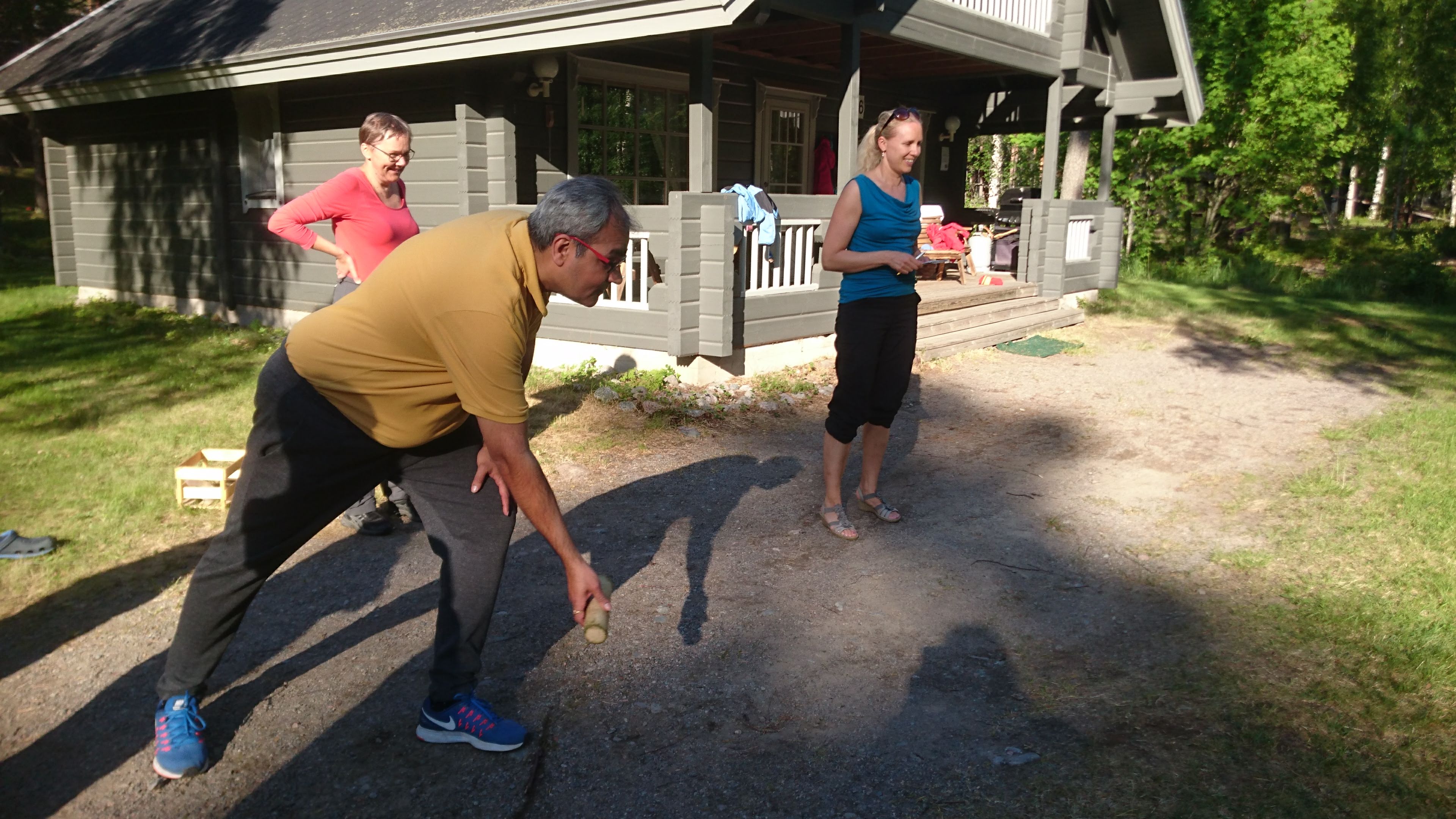
That night the perfume surrounded us, we sat in silence, the memories of Finland and Kivijarvi playing in our mind, the endless blue water, the green woods, the colourful wildflowers thronging the roads, the midnight sun, playing Mölkky with our Finnish friends and on and on.
There was no explanation for the fragrance. We were in the height of summer, it was late night, there was no fire lit in our house or in the vicinity, not that the wood would even have lichen in our neck of the woods. We felt blessed, chosen, special. The only explanation – Magic. Our friend in Finland probably lit a fire, thought of us and sent scent magic our way. Thank you life, friend and Universe!
Hungary is a land locked country in Central Europe about the size of the Indian state of Rajasthan, with a population of about 10 million. It’s biggest lake – Balaton is often referred as its sea, it has a surface area of 600 km2 and is the largest lake in Central Europe. Hungary has a history of being occupied by foreign powers much like India’s. It formed its latest Republic in 1989 after gaining independence from its Russian occupier. Hungarians are known for their poeticism and literature which is poignant as it often resounds the angst of their freedom struggles. Hungary has had 13 Noble Laureates in a variety of fields from literature to medicine and the sciences.
Did Hungarian (the language) come into my life by accident, or was it my destiny? I am often asked why I am learning Hungarian? by my compatriots, by international students and by Hungarians. Having rarely done things in my life with any calculation, I really did not know the answer myself, I have always been one to go with the flow and I believe in learning just for the sake of knowledge. But how was I navigated towards it is what I share with you.
My first brush with Hungary was, when I, all of 8 years old was asked to do a school project on Europe, my grandmother sat me down with the directory, yes it was pre-Google and Email, and made me write postcards to all the European embassies and High Commissions requesting them for literature on their countries. Only a few responded, one being Hungary, which sent me booklets with pictures, which I used in my project, but I still remember the text was in Hungarian and indecipherable. It fascinated me, imagine a child, hitherto unexposed to foreign languages reacting to a sentence like “A Bükk hegység belső területeit 1977. január 1-én nyilvánították nemzeti parkká. A Bükki Nemzeti Park a hegységnek központi, nagyrészt erdős területét foglalja magába.” and wondering why there were so many splotches (the accents) and only the word Park written correctly. This could well have been the kindling of my interest in foreign languages.
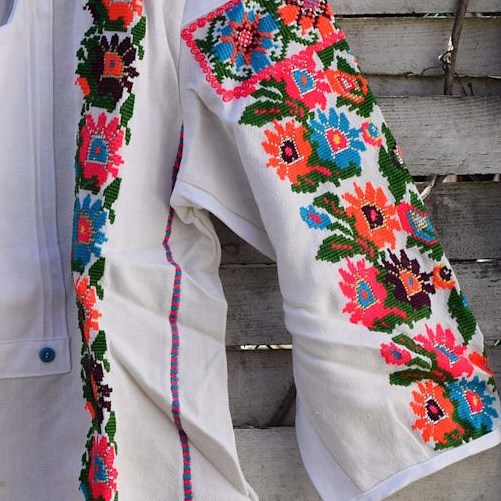
Hungarian, in Hungarian is magyar, pronounced ma-jar. The country is Magyarország. I learnt this only when I started studying Hungarian. However, a distant memory kept niggling me, I remembered my mother once suggesting when I was getting a blouse stitched as a teenager to have Magyar sleeves on it, pronouncing it of course mag-yar. It somehow occurred to me that her mag-yar might very well be my ma-jar, so I looked it up, and lo and behold, I found that the “Magyar” sleeve which is usually cut more narrowly at the elbow and widened towards the wrist is based on the Hungarian peasant style sleeve, hence the name.
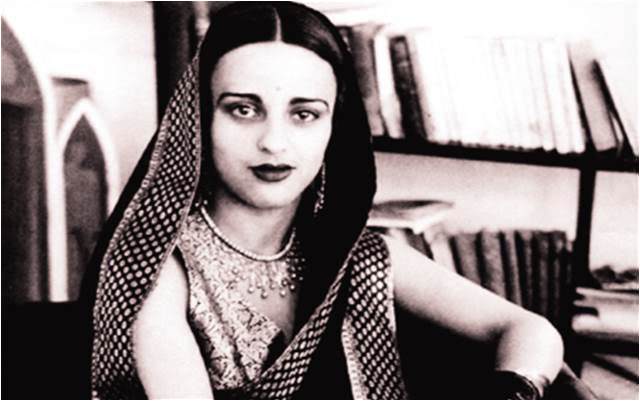
Still a teenager, I recollect, I once said to my my mother that I dreamed of buying my own house in the same locality as hers, when I grew up. My mother said that if I had to dream about such things I should at least dream of a house on Amrita Sher-Gill Street as that was the poshest street one could live on in New Delhi. This brought me to the question – who was Amrita Sher-Gil? She was a Hungarian-Indian painter, born in Budapest, Hungary on 30 January 1913 to to an Indian Jat aristocrat father, a scholar in Sanskrit and Persian, and a Hungarian-Jewish opera singer. Amrita has been called “one of the greatest avant-garde women artists of the early 20th century” and a “pioneer” in modern Indian art. She was avant-garde in more than just her painting and lived life on her own terms to unfortunately die at the young age of 28. In her short life, she lived in various places – Budapest, Hungary, Shimla, India, Paris, France, Florence, Italy and travelled to many countries before breathing her last in Lahore, then India, present day Pakistan in 1941. A truly cosmopolitan soul whose life and travels inspired me more to travel than to earning millions to buy a house on the street named after her.
Amrita Sher-Gill
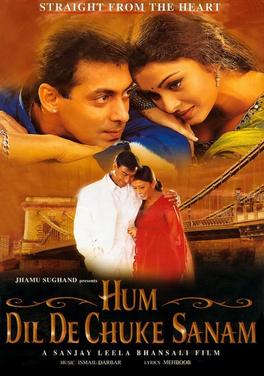
In 1999 I watched the romantic Bollywood Hindi film ‘Hum Dil De Chuke Hai Sanam‘ (I have given away my heart darling). The second half of this visually stunning, unusual love story unfolds in Europe. In the film they say it is Rome, Italy, but having visited Rome previously, I knew it was not. The city was gorgeous, I wanted to be transported into it, but alas which city was it?
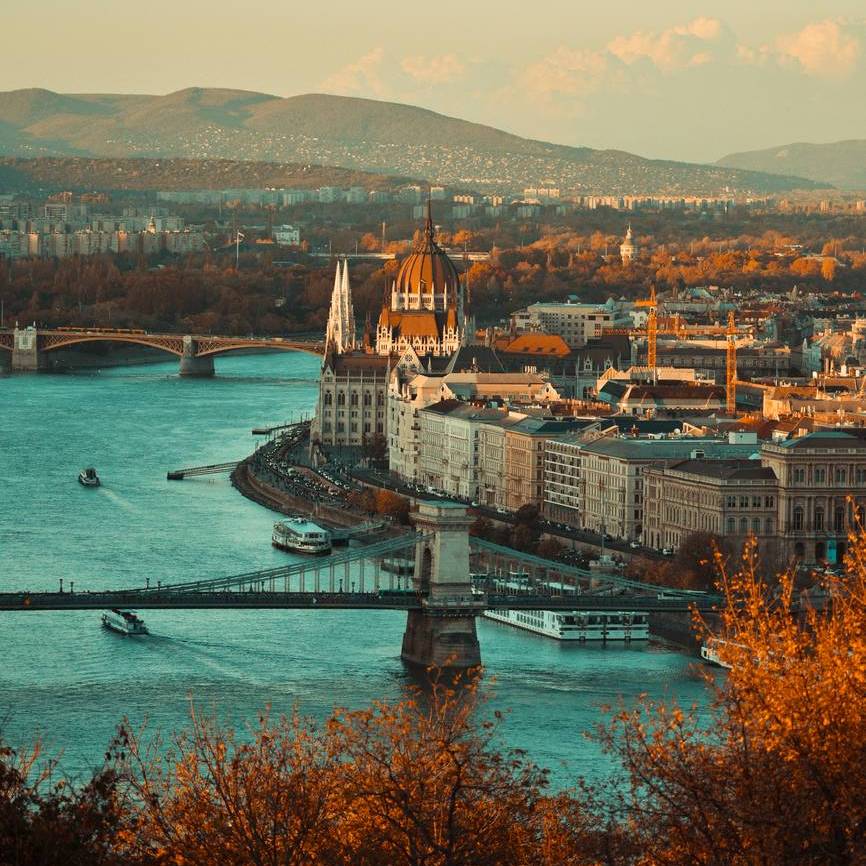
Two years down the line in 2001, I knew the answer, I travelled from Vienna, Austria to Budapest by boat on the Danube, a beautiful memorable journey. Just as the boat turned the bend and I saw the iconic Széchenyi Chain Bridge that spans the cities of Buda and Pest, I experienced a strong sense of déjàvu, had I been here in a past life? Maybe, but then I recollected Nandini, the female character from the above Hindi film running across the bridge and I knew immediately that I had found the city I had so longed to visit. My excitement multiplied manifold and Budapest did not disappoint. I do wish that the grave injustice of calling it Rome in the film could somehow be righted.
In 2012, my husband and I visited Budapest, Hungary together and while doing the research in advance of the holiday, I learnt that Taxi drivers in Budapest were known for fleecing their passengers so I thought that if I could say the names of the places with a perfect Hungarian accent I could avoid being fleeced. One of the places that my guide book said was a must visit was the Váci Utca, perhaps the most famous street (utca) of Budapest. I goggled the pronunciation and found that the Hungarian ‘c’ has a pronunciation unknown to English, Hindi, French or Portuguese, the languages I then spoke, but was pronounced identical to the ‘च’ in Marathi, incidentally the same alphabet ‘च’ in Hindi is pronounced like the English ‘ch’ and the Hungarian ‘cs’. Being fluent since childhood in Marathi, the language spoken in the west Indian state of Maharashtra where my grandmother belonged, I had always adored the interesting rasp of the Marathi ‘च’, it is the pronunciation of this alphabet that marks the authenticity of the accent of a Marathi speaker as does the pronunciation of the Hungarian ‘c’ for a Hungarian learner. I was fascinated and charmed with the discovery of this similarity. In Budapest itself, I found English widely spoken and the taxi drivers still took us for a ride, I obviously was not pronouncing the place names convincingly. However, our interest in Hungary grew, thanks to the lovely people we interacted with.
One evening, while we were in there, we paid a small ransom for a taxi to get us to Margaret Island, an island in the Danube. I had booked tickets online, when in India, for what I had thought was a philharmonic which actually turned out to be a Filmharmonic, which was even more interesting. It was a live orchestra playing out famous film tunes while scenes from the movie were projected onto a huge scene – Benhur, Godfather and the likes. It was already 9 pm by the time they had the interval and we were very nervous about how we would find our way to Pest, where we were lodging, so late at night, we had no local mobile phone to book a cab and even if we managed to book a cab, we were worried about what the chappie may charge. In the interval we made enquiries and found that a ferry would leave after the show and dock at various places, one from where our hotel was walking distance, we breathed a sigh of relief and bought the ferry tickets. We then settled down to enjoy the second half of the show. When the show was over, everyone just seemed to vanish into the darkness, we had no clue as to which direction we should walk in to get to the boat, just as were panicking about this, as if by magic a tall, at least 6ft 3inch tall, strikingly good-looking man dressed in a beautiful dusky pink suit accompanied by an equally striking lady in a little black dress said ‘Follow me’, I looked at him questioningly and he said ‘you need to catch the ferry don’t you?’, we gratefully followed them to the ferry, all the while discussing the similarities between Budapest Taxi drivers and Delhi Autorickshaw drivers. As we walked onto the ferry and headed into the cabin, we bid the couple, who wanted to remain on deck adieu, a little disappointed that our cultural exchange had been cut short. We sat down inside and a couple of minutes later the Hungarian couple came in and the gentleman said that if we did not mind, he wanted to talk with us some more, we were thrilled. Unfortunately, his companion was not comfortable speaking English but did seem to understand us and never looked bored we talked of travel, food and clothes. He was a patisserie chef, with his own pastry shop, he advised us to eat Dobos, a Hungarian sponge cake layered with chocolate buttercream and topped with caramel and Eper Torta, strawberry cake. Too soon, it was time for them to embark, we waved them goodbye as if they were lifelong friends. This wonderful gentleman came to be referred by as the ‘Pink Angel’, every time we feel humanity is disappointing us, we remember ‘Pink Angel’ and the world seems just a little more tolerable.
My next contact with Hungarians took place in the first week of January 2017, my husband and I were on the island of Capri in Italy for New Year and soon thereafter the island was slowly shutting down for the off-season. One evening we were in one of the few restaurants that were still open and noticed that the couple on the table next to us were having difficulty communicating with the waiter in English. Being newly conversant in Italian, I did not miss the opportunity to translate for the benefit of all. This got us couples chatting and I soon found out that they were Hungarians, we chatted during the rest of our dinners, when we finished, we said goodbye and started walking towards our respective hotels, only to start wondering as to who was following whom as we were walking in the same direction, soon to discover that we were living in the same hotel. We invited them for a nightcap and chatted amiably for another hour. Our routine for the next few days, that remained of their holiday were set, we would meet in our suite post in the evening over wine and food and discuss all sorts of subjects – travel, the environment, politics etc., all in English of course. On the third night I got a call from Reception enquiring if the Hungarian couple was in my suite as there was another Hungarian guest who wanted to meet them, I told the receptionist to send him up. My Hungarian friends said that I should let him enter greeting him with ‘Szia‘ – Hello in Hungarian, pronounced exactly like the English ‘see ya’ and confound him. So that is what I did and the new acquaintance responded with a sentence of Hungarian to which I confessed that I was only taking the Mikey out of him and that I was actually Indian. He joined our little group and I soon discovered that he was half Italian, half Hungarian. We spent another evening, now the five of us chatting and dining on a lovely pasta dinner cooked by my husband. I remember that we all went for a walk after dinner and were chatting about Budapest when during a conversation about the Budapest train stations, I said ‘Keleti pu’ remembering the name of the Eastern Railway Station, the male counterpart of Hungarian couple was so touched that I pronounced this word so authentically, that he spontaneously hugged me. Such is the value of knowing even a word in a foreign language. As all good things come to an end so did our meet-ups the Hungarian couple left next morning and the next two days were spent in the company of the Hungarian-Italian, till my husband and I too left Capri. All in all, the Hungarians had endeared me to them once again.
In 2017, I came to know of the ‘free’ Hungarian lessons offered by the Hungarian Information and Cultural Center, New Delhi now Hungarian Cultural Institute Delhi/ Magyar Kulturális Intézet Delhi. I had till then only studied Romance Languages and wanted a more challenging language to study, it seemed providential that I had an opportunity to study Hungarian which is of the Finno-Ugric group of the Uralic language family. I was in Italy when the session started that year, so I waited a whole year, with excitement and applied for the Hungarian course in October 2018. I was hooked on the first day itself, the Hungarian work ethic was at display, the dainty Hungarian Teacher, the handsome and welcoming Director and the smart efficient administrative lady gave us an entrance test and the result and we were set to go.
Frankly just being in the company of the dainty Hungarian teacher was enough incentive to attend the classes, learning the language, that too for free an added bonus. The teacher was tireless, classes were always on time and never cancelled, there were no coffee breaks leave alone long ones that had galled me while learning other languages. Over the six months of the course I learnt of Hungarian history, literature and culture. We celebrated all the important Hungarian days reciting Hungarian poetry, learning Hungarian songs, there were cultural events when Hungarian artists visited India and I was fortunate to even socialize with some. It was the respect that the teacher and the Director of the Institute showed India that made me respect them even more. They exhibited no sense of superiority which I had observed in other such foreign language institutions in India.
The language itself has a fascinating structure. Hungarian is an agglutinative language that uses mainly suffixes to change the meaning of words and their grammatical function. For example, possessive pronouns and prepositions get added as suffixes to the objects themselves. The other challenge that Hungarian brought was the need to learn a lot of words. Unlike the Romance Languages which share a lot of words, be it may written or pronounced slightly differently most Hungarian words were completely new to me and required a lot of effort to memorize. I give you an example the word ‘National’ in French is ‘National/e’, in Portuguese ‘Nacional’ in Italian ‘Nazionale’ in German ‘National’ in Hungarian it is ‘Nemzeti’.
Having fared well with my studies, I recently had the opportunity to attend a four-week Hungarian Language online course at the MagyarOK-Digital Summer University / Digitális MagyarOK of the University of Pécs, Hungary due to the Covid 19 pandemic. Here again, the Hungarian efficiency was in evidence, the teachers were efficient, competent, graceful and kind. The only grouse that I could possibly have was, that the course was conducted a bit too much like clockwork, the syllabus was adhered to at all times, I would have liked more of the personal and cultural touch that I had got used to during my studies in India. I hope that someday I will get an opportunity to go to the town of Pécs and attend the summer course physically and absorb the sights, sound and sensations of the culture which are an important aspect of learning a language.
I have come to both admire and envy the Hungarian efficiency, anyone who craves such efficiency in the systems of their country will understand why ‘envy’.
I am not naïve and I know that there are all sorts of people in every country. I am well aware of the current politics of Hungary, another common denominator with India, with both countries leaning towards the far right, not something that makes me rejoice. But, the low notes in my Hungarian Rhapsody notwithstanding, Magyar has come to be an indelible part of my soul.
Strange title right? Well not so much, this phrase “Mamma Mia, Papa Mafioso!” is a direct result of being in a foreign
land – Italy and wanting to communicate in the local language – Italian without
any formal education, stringing together a sentence with the few Italian words
that are common knowledge. In Italian “Mamma
Mia” literally means “my mother’’ but it is used as an exclamation
synonymous with the English “wow” “oh my God” “oh my” “oh man” “oh boy” and the
Hindi “wah” “hey bhagwan” “baap re baap” and Mafioso is the adjective of the noun Mafia denoting one from the Mafia or more generally a crook. You
will have to wait to hear the anecdote behind this because this post is
actually about learning a foreign language to enhance your travel experience in
that foreign land.
Yes English
can get you by in most countries but can you really get to the pulse of a non
English speaking country by communicating in it – NO. So why not learn the
language?
The
advantages of learning a foreign language are innumerable. Yes it is believed that
learning a second language protects against Alzheimer’s which is reason enough
but if this doesn’t convince you there are plenty of others.
If you are
a traveller at heart but still have not gathered the means to travel abroad,
learning a foreign language gives you the means of travelling to that land through
your lessons while sitting in your own country. All foreign languages are
taught with an emphasis on the country’s culture so you are transported for the
duration of the lesson and even thereafter as your curiosity is piqued and you
will find yourself googling facts, people, history and places in your free
time.
Those who have the benefit of studying at the language classes conducted at the Embassies of these countries can also get the thrill of technically being in those countries for the duration of the classes.
These Embassy
Institutes and Cultural Centres hold numerous cultural programmes that give you
a chance to appreciate their art, music, dance and culture. To be noted, these
cultural programmes are, more often than not, free and open to the public so
even if you do not have the time yet, to attend the classes, you can just
follow their pages on Social Media to keep abreast with the happenings and
attend the programmes irrespective. Sometimes you may also get treated to a
nice glass of wine and hors d’oeuvre
(a small savoury dish, typically one served as an appetizer) but please let
that not be your only reason to attend the programmes and don’t attack the food
and drink, as I have often seen happen, be good ambassador for your own
country. Where these Embassies have restaurants or cafes you get a taste of the
food, often at subsidised prices.
For those
that do start taking the classes there is much incentive to working hard at the
language. Especially for those that have limited means but a passion to travel
abroad. Most foreign language teaching institutions offer scholarships for meritorious
students for courses at Universities in their countries. These are typically for
a month and may not cover all the expenses and the airfare but the tuition is
invariably covered and depending on which language you learn you are given some
sort of a stipend. Given that these Universities have subsidised meals at their
canteens and you can easily find shared accommodation even a meagre stipend can
go far. Some of these Universities give you the added bonus of taking you for
complimentary sightseeing to other towns and cities over the weekends saving
you from spending for transport and the entrance fee to the monuments. So if
you have some pocket money or had a part time job that you have saved up from
you can benefit hugely from such a scholarship, add a couple of weeks to your
trip and backpack to see more of the country, thereby having an opportunity to
further improve your command over the language. The Visa fee for these
scholarship incumbents is often waived by the Embassy so you save there as
well.
Studying a foreign language upto the level of being able to converse in it brings a whole new dimension to travelling in that country. Your interaction is now, not limited to conversations sometimes in broken English at Tourist Information kiosks, Hotel Receptions and the like. You now have the ability to ask for directions from a local, interact with people learn about them and tell them about your country and culture. Over the years, I have found speaking the local language as such a useful tool in disabusing people of their notions about my country, people are brimming with curiosity without any means for assuaging it, come on the picture and where the next half an hour goes is a mystery. Wouldn’t you like to sit at a café and pick up a spontaneous conversation with your server or the table adjoining you to get leads on things locals do and places to visit off the beaten track.
Then there
is the advantage of speaking a foreign language when you are not in that
country. Let’s say you speak fluent English and Korean, you are travelling in
England you come across a Korean who is having trouble communicating, viola! you become the translator and
your knowledge has been put to good use, you have helped a harassed tourist,
done your good deed for the day and brought kudos to your own country.
If, you cannot find the time to attend formal classes and want to learn a language from the comfort of your home there are paid online courses for a host of languages. There are also plenty of free online courses if you browse the internet. I have enjoyed learning German for free on the Deutsch Academie website in advance of a trip to Austria and put it to good use. I recollect one Taxi driver who would often ferry us between our resort in Gossl and Bad Aussee who spoke English but always insisted on chatting with me in German to help me practise mine.
I will also
address the notion a lot of people have that they simply can’t learn a foreign
language, a notion I do not agree with. At least give it a try. You can always
drop out if it is too difficult, who knows maybe in the process of attending
those classes you will make like minded friends who come from walks of life you
otherwise do not come in contact with and maybe even meet the love of your
life.
Is age a criterion
in learning a language? Not if the people who I have studied with are the proof.
I have found people from the 50s right upto their 80s in the classes I have
attended, the younger of these with full time jobs and familial
responsibilities having no problem in learning the language. I found them to be
more committed than my younger colleagues and I was grateful for the knowledge,
experience and wisdom they brought into my life
Does
learning the language bring stress to a life already burdened by work pressure
and family commitments? I would say no, if anything the classes are a de-stressor,
a way of escaping be it may for a couple of hours over the weekend. Can people
with onerous jobs and professions do justice to a language? Why not? Such
people have reached positions of responsibility by leading an organised,
hardworking life. They have to drink, eat, wash, talk etc. it just takes a
split second to dwell upon the words for the actions in our daily life in the
foreign language we are learning and we have built a vocabulary, where stuck
you quickly refer to an app on your phone and refresh your memory.
Learning a language with your partner can be a very fulfilling experience. Maybe you never had a classroom romance; here is a chance to have one with your own partner and if you had had a classroom courtship then it’s your chance to relive it. You get to spend time with each other away from your natural habitat, this could get rid of any indifference that has crept into your relationship, attending classes could give you common ground where common ground has been lost because you both have been in particular roles all your time together and some of those roles don’t exist anymore, for example your children have grown up and left the home or you have retired and find yourself at odds with yourself or each other. You will both have a sense of achievement for yourself and your partner and where one is better than the other a beloved tutor to help you out. A code language to communicate in and to whisper sweet endearments cara mia, mon amour, liebchen…
If you are
a perfectionist then you will find time and make the effort to learn correctly,
not for the marks as you would have done in your younger days but for your
pride. If you are not, no problem, when you speak a foreign language no one is
judging and if you make a blunder you may just get some strange looks or
guffaws but nothing worse. For example, this English speaking lady once
recounted to me that the entire month she travelled in Italy, eating at a restaurant
almost twice a day she would confidently ask for ‘lo sconto per favore’ meaning to ask for the cash receipt, realising
only after saying this about 50 times that she had been asking for a discount (lo sconto) rather than for the receipt (lo scontrino) and thus been subjected to
some strange looks and demurs. My advise after a meal in a restaurant in Italy
please ask for the “Bill please” – “Il
conto per favore”!
And if you
really put your foot in it, so what, you still couldn’t do worse than my mother’s
“Mamma Mia, Papa Mafioso“ which she
blurted out giving us momentary anxiety but an unforgettable adventure to laugh
about for years to come.
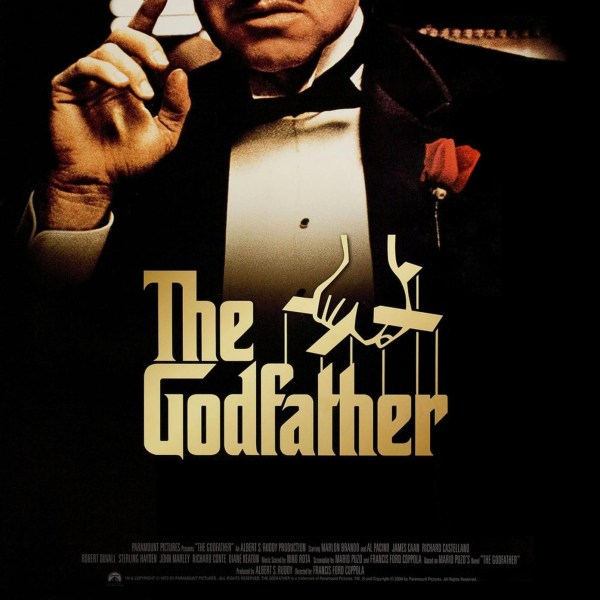
My mother and I were at a restaurant in Agrigento, Sicily, Italy, she in a Sari, I on the other hand was dressed like any European. We had found the restaurant thanks to our guide book and had enjoyed a fantastic meal. When we asked for the “Bill” from the Major Domo / Maître d’/ Head Waiter he stopped for a chat. He asked if we were friends, annoying me as we were often asked this question and it never dwelled upon me that it could be that my mother looked much younger and not that I looked older, as I always took it. My mother responded that we were mother and daughter; he looked at us in utter disbelief and said ‘No impossibile’. A reaction we were accustomed to, especially from foreigners, my mother being of a more wheatish complexion to my sun kissed peaches and cream, we would often nonplus those who stereotyped skin colour based on nationality. My mother tried to explain that we come from a huge country with various different skin colours going from the palest white to the darkest brown but to no avail, he would have nothing of it. Finally my mother trying wittily, exclaimed “Mamma Mia, Papa Mafioso” meaning to say she is my mother and my father is from the Mafia, thinking that this should put an end to the inquisition. By now the other tables were also intent on our conversation and my mother’s makeshift Italian reverberated in the restaurant, pin drop silence ensued, images of scenes from the Godfather where real Mafiosos pulled out their guns at being slighted came to my mind. I whispered to my mother aghast “What have you said? Let’s run!” she replied matter of fact and fearless “We haven’t paid yet”. After a pause that felt like aeons my mother bravely renewed her request for the bill, the waiter remained deadpan but withdrew only to return with four other waiters, but thankfully not with a weapon, as my imaginative mind expected but with a bottle of Limoncello, a typical Italian liqueur made from lemons which I had hitherto never imbibed and pointed us out to the waiters repeating mother’s phrase, they and the other diners burst out laughing he toasted us with the Limoncello repeating “Mamma Mia, Papa Mafioso” still unable to get over the sheer cheek or wit of it.
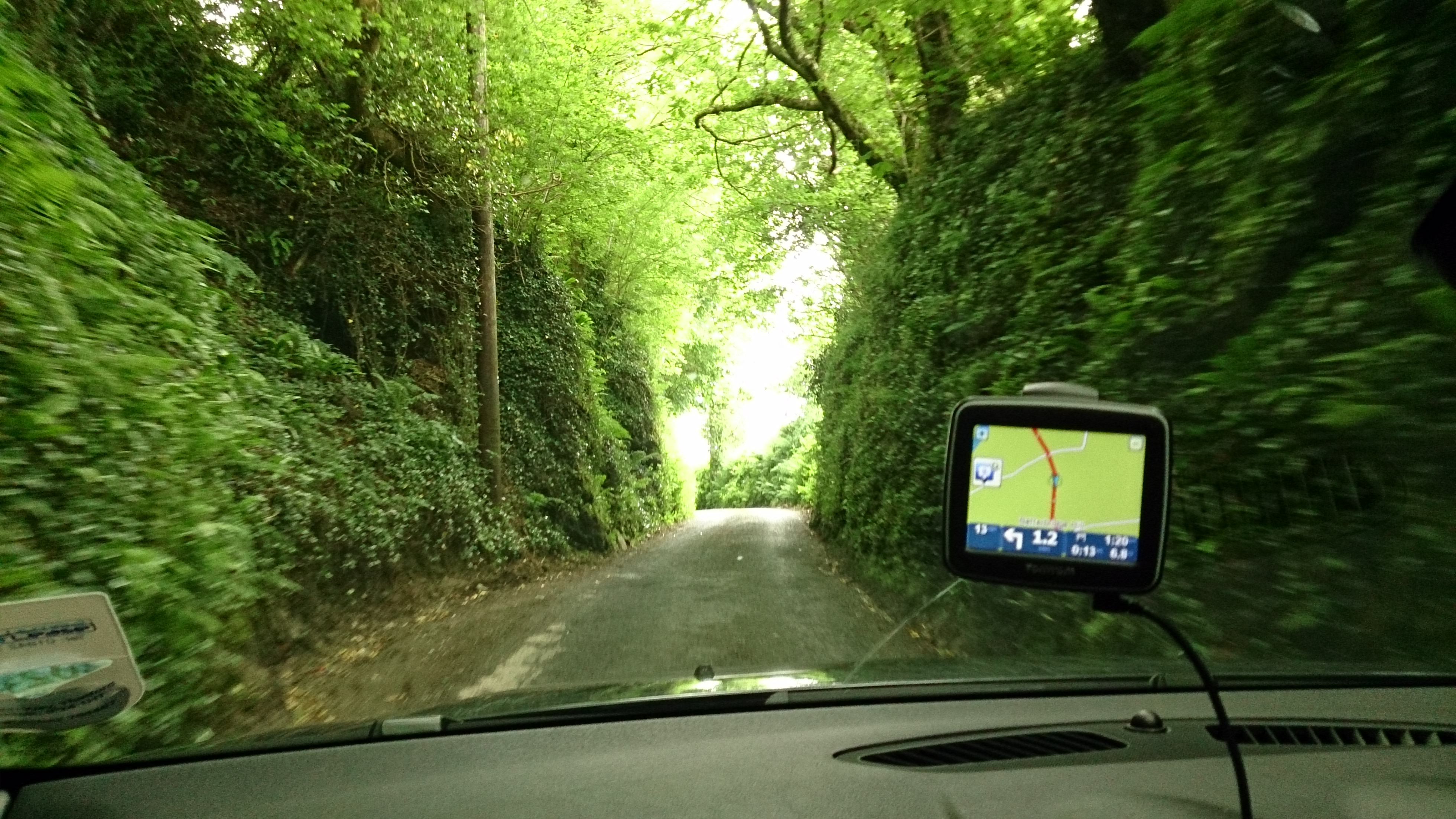
June 3rd 2014, I woke up in my bed in my cottage in Devon, UK. We, my companion and I, had driven on the Sunday the 1st of June 2014 from London Heathrow Airport to our cottage in North Devon, a distance of some 350 kms, made all the more arduous by the Car Rental Company providing us a huge sedan rather than the small hatchback that we had booked. While on the Motorways, this seemed not to be a big problem, when we entered Devon the huge car was a liability as the roads were very narrow with abundant foliage overhanging the road and oncoming traffic that seemed impervious to the conditions. Anyway, after a few pit stops and quintessentially British bacon and egg sandwiches, we reached our resort in North Devon, had our first ever Sunday Roast dinner with all the trimmings Yorkshire pudding included and retired to our lovely cottage with its own garden and felt extremely chuffed with ourselves.
The Narrow Roads
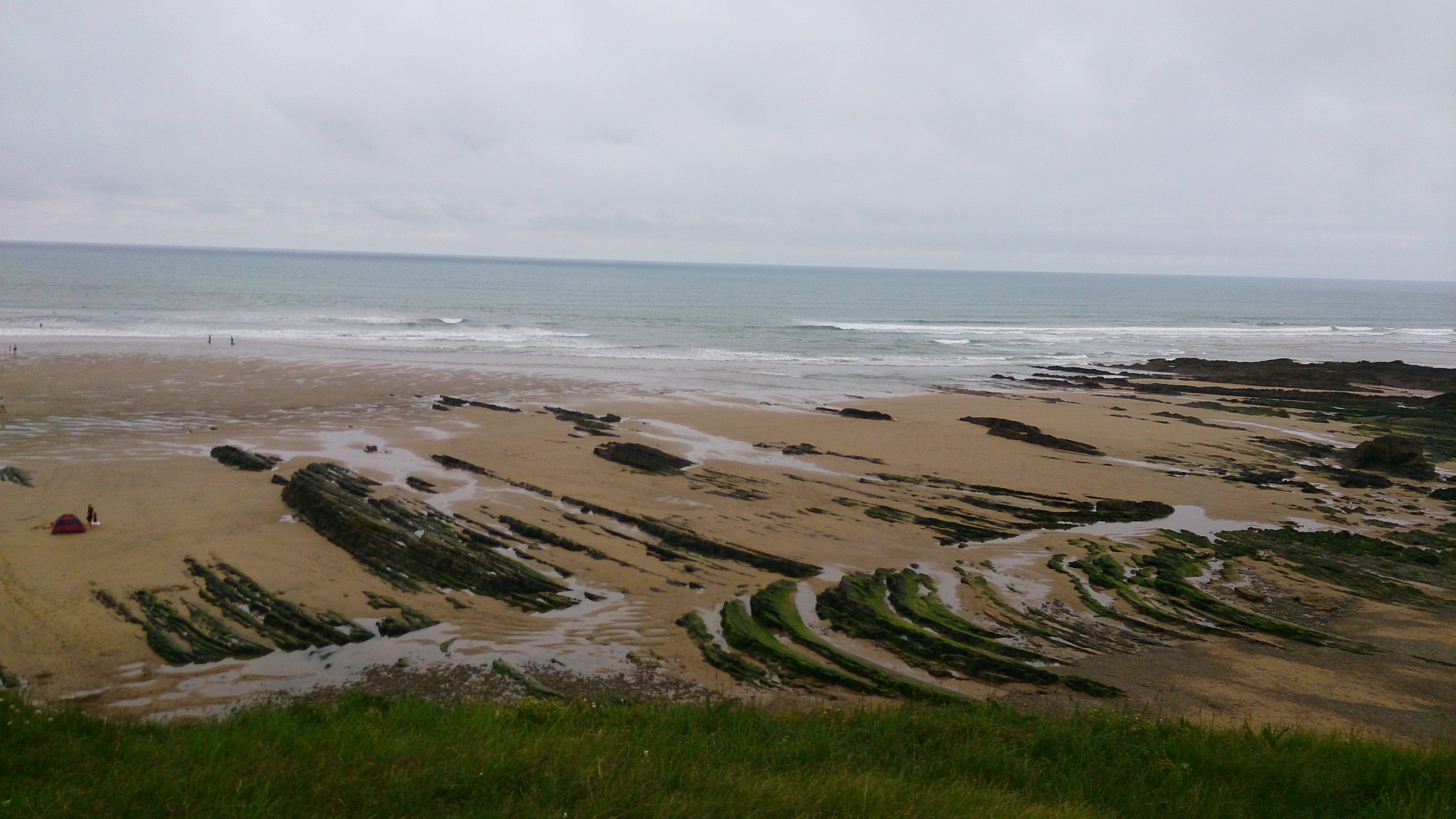
The next day was lovely, we made a trip to Bude which is in North Cornwall and was the closest town to our cottage. We were happy to enjoy the ‘Limelight’ in Bude Castle, yes, this new invention was used for the purposes of lighting this castle, there was interesting exhibition about this and it makes for informative reading on its own. Had a long leisurely stroll along a path overlooking the ocean ate delicious ice-cream and headed home. But, there was something I was hankering after, you shall learn what, soon.
Bude Walk
Here comes June 3rd, 2014, I write this as an homage to that unforgettable day. We woke up that morning and the outing planned for that day was an excursion to Lydford Gorge in Devon, a property under the National Trust. The gorge is designated a Site of Special Scientific Interest (SSSI) for its geology, flora and fauna. We were the first at the ticket counter, a sweet old lady explained to us the advantages of taking a yearly membership of the National Trust which made visits to their properties free and entitled you to free parking facilities at a lot of famous scenic places which were managed by them, as we were on a month-long trip in England and Wales we gladly bought a year’s membership on a calculation that even if we visited a total of 7 properties, it would be worthwhile, we never regretted.
The full Lydford Gorge trail took us around 3 hours to complete. We had carried drinking water and sandwiches with us. The walk was a challenging circular walk with narrow slippery paths and steep drops. The trail operates on a one-way system due to the nature of the paths, so thankfully there was never the lazy luxury of turning back. What a bounty of nature we were treated to. Lush green fauna, beautiful birds, fresh crisp air, the 30m high Whitelady Waterfall, the Devil’s Cauldron pothole viewed from a platform suspended over the water.
The Whitelady
The Devils Cauldron
Wishy Mushy
A strenuous walk for those who like us are accustomed to a flat city and little to no walking on a daily basis. The stone steps were precariously slippery and inordinately high at places but all this only added to the adventure. The sense of accomplishment we felt on completing this route was immense and it was rewarded with a delicious Devon cream ice-cream from the onsite shop.
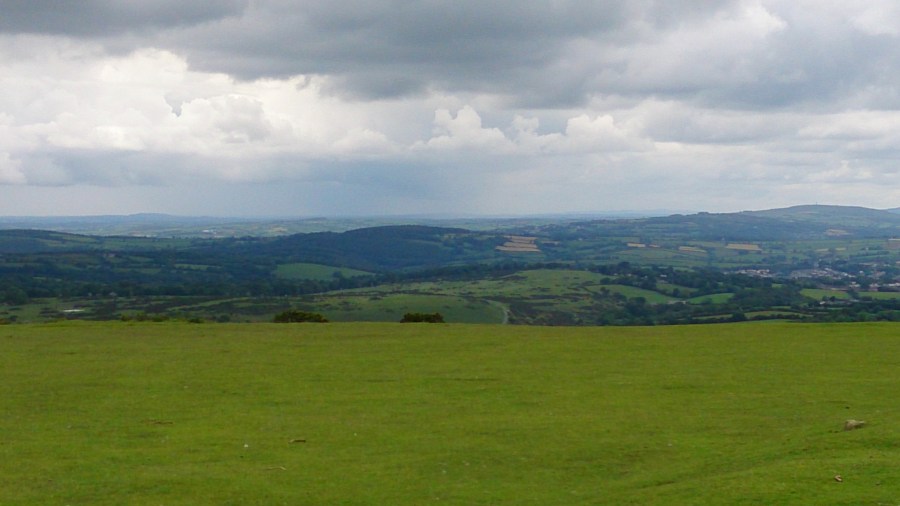
The labour for the day done, we meandered from place to place enjoying the stunning scenery of the Dartmoor. I still remember the clock showed 4pm and I was feeling peckish again, I said aloud ‘this is the perfect time for a cream tea’, we were in the wilderness, my statement seemed silly even to me, we turned a bend and I could not believe my eyes, lo and behold there was a sign on the road of one Two Bridges Hotel advertising their Tea and Scones. Providential, right?
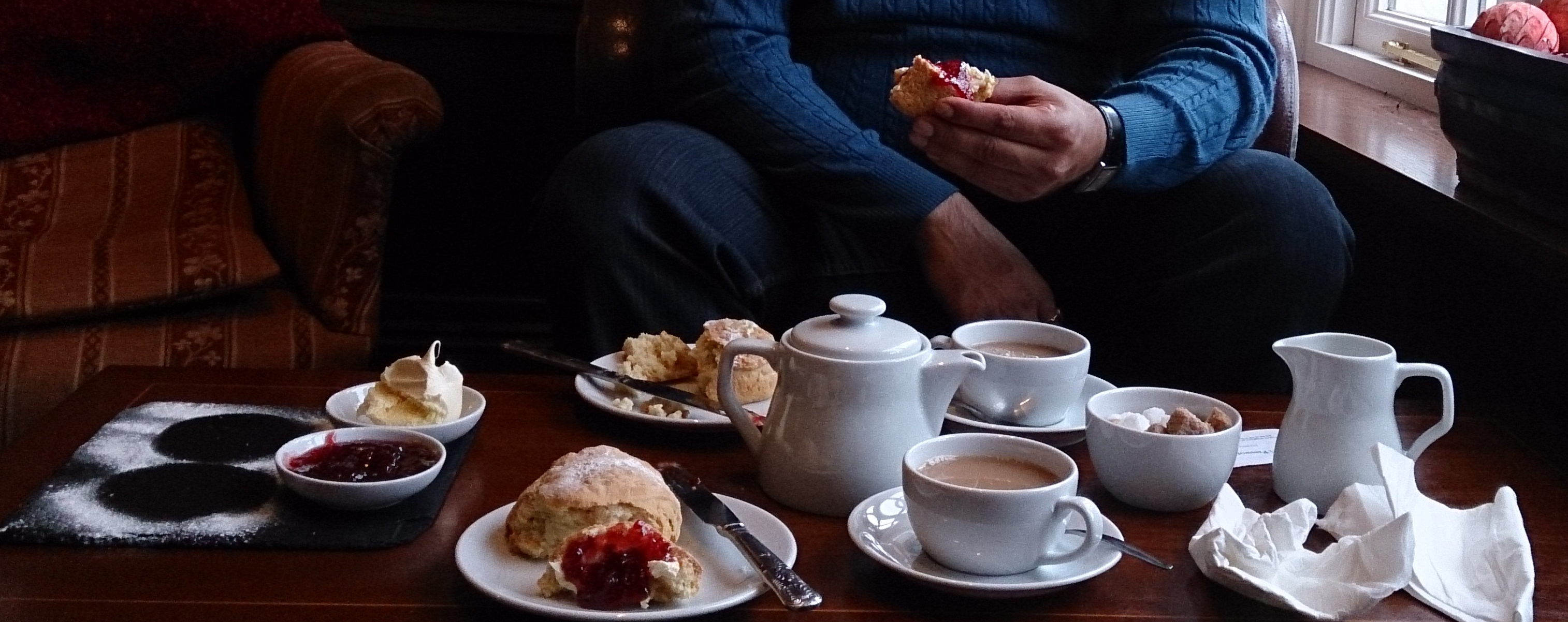
My companion was driving, I must honestly say he is the only one who drives between us, I only drive him crazy! A cautious driver, ergo our safe travels, who is reluctant to make sudden turns off the road or to make illegal U-turns. Such must have been the effect of my constant chorus over the last two days for a cream tea that he went against his very grain and made a smart right turn as indicated on the sign we crossed a bridge and came upon this beautiful Hotel. We parked in the parking lot and excitedly trudged through their Reception to the tea room. Tea and scones ordered at the Bar, which were told would be brought to our table, we settled into a sofa next to a huge bay window as instructed. The view from this window of a tourist bus, this was putting a blemish on things, had the bus not been parked there, we would have had a view of the wonderful lawns of the Hotel. A cheerful waiter soon brought us our tea a tray laden with scones, strawberry jam, clotted cream and a kettle of tea and cups and saucers, as he left the tray he said to enjoy our tea. I impulsively said to him, ‘I am sure it would be even more enjoyable, if we did not have the side of the bus to stare at’. He smiled and left saying ‘let me see what I can do about that’, we in the meanwhile were still on the discussion of whether being in Devon the cream went on first onto the scone or the jam when a shadow lifted we looked up to see that the bus had gone and we had the view to the lawn, we were now in Utopia.
The delicious warm scones crumbled into our mouths, the cream and jam dripped down our fingers and was unashamedly licked off. We thought we had tasted ambrosia and life could not get better than this.
The Dream Tea
Through with our epic tea we stopped to wash our hands in the cloak room and here was the proof of my pudding, two elderly English women discussing that they had never tasted more delicious scones. I rejoiced further, my companion’s virgin scones being declared the best ever, he sure is a lucky guy seems to get the best of everything at the first go, if you get my drift.
It had started pouring and I had reluctantly agreed to wait in the Reception vestibule for him to bring around the car. I would have gladly walked through the rain. A group was waiting there, presumably it was their bus that had been moved away and they were grumbling at the rain, as in that part of the world people often do. I was smiling at their conversation and one, of the group commented on this, I said I was amused that rain daunted them, for me, I said it was the harbinger of joy and prosperity, they seemed to see my point but were yet not completely convinced then one of them hesitantly said but you get wet in the rain, to which I quoted a proverb my late grandmother used to say often ‘You are not made of mud so you will not dissolve in the rain and you are not made of wax so you will not melt in the heat’! They loved it, and said they would embrace this thinking and try and stop cribbing about the rain. This broad-minded interest and acceptance from a church group towards the culture and thinking of a girl from another world intensified my enjoyment of the moment further. My companion drove up, I said my goodbyes, I sat in the car and pinched myself to check that I was not in a dream, as if the weight of those scones in my stomach and the lingering sweetness of the jam in my mouth was not proof enough.





 Oselation