Almaty Day 2 – Big Almaty Lake, Alma-Arasan Valley, First President Park …

The thrill of having discovered a wonderful destination, so close to home, and all the walking and excitement, of our first day in Almaty, unfortunately, did not translate into a good night’s sleep. The room was too warm with the windows closed. Opening the windows admitted a cacophony of sounds. We heard screeching car tyres and music blaring from the cars of young pretenders. The merrymaking of revellers outside the next-door night club added to the noise. These are foreseeable disadvantages of staying in the heart of the city. But, to add to this problem, we were on the fourth floor. Cigarette fumes from guests and staff smoking outside the reception, directly below us, invaded the room at regular intervals. Diesel fumes from cars also made us very uncomfortable.

Not ones to be daunted by fitful sleep, we were dressed and down to breakfast by 6.45 am. We were headed to the Big Almaty Lake, Alma-Arasan Valley, Ayusay Waterfall and Hot Springs and First President Park. We had arranged a taxi through the hotel, to cover these sights.

We were to start with Big Almaty Lake. We drove through the city until we turned off from the First President Park towards Alma-Arasan Valley. It was a city drive through the business district. Tall buildings with glass windows gleamed in the sun. Even at 7.30 am, there was a lot of traffic on this freeway. A few kilometres after turning off, we entered the valley.

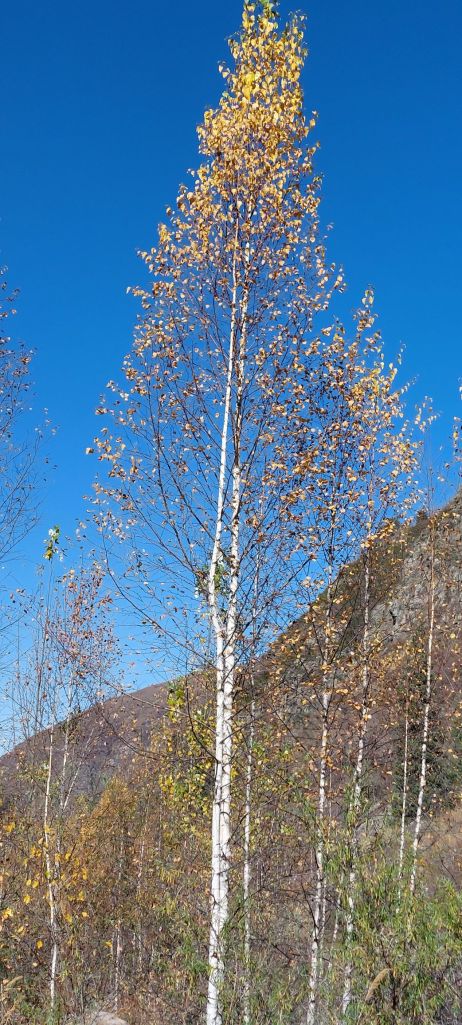
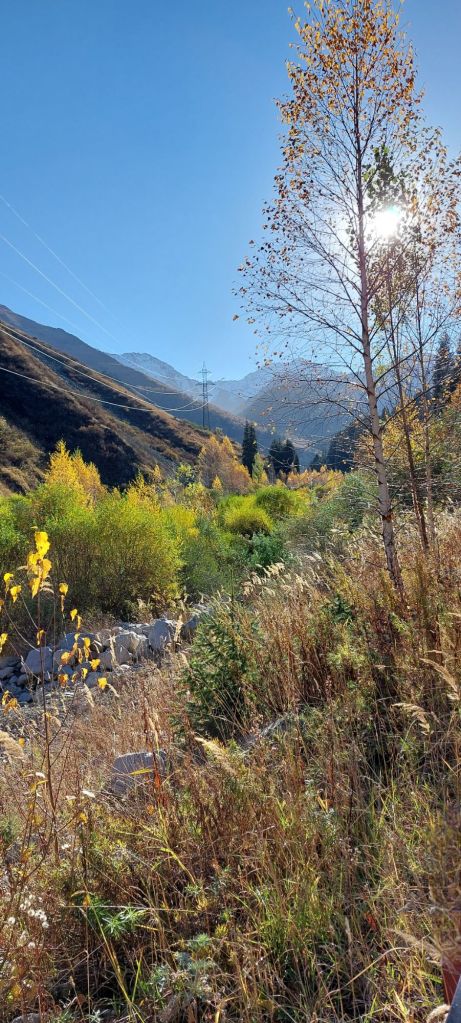
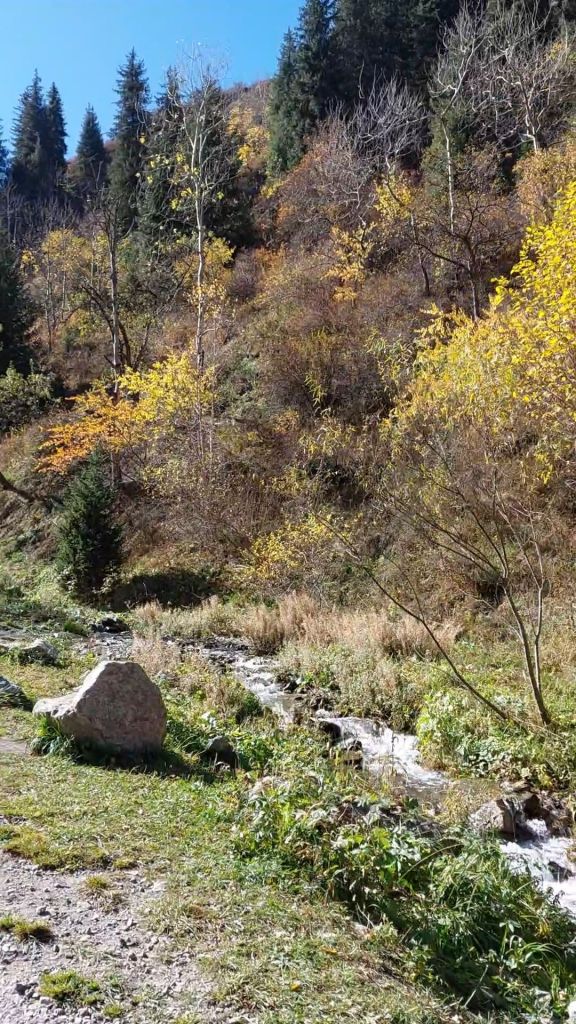
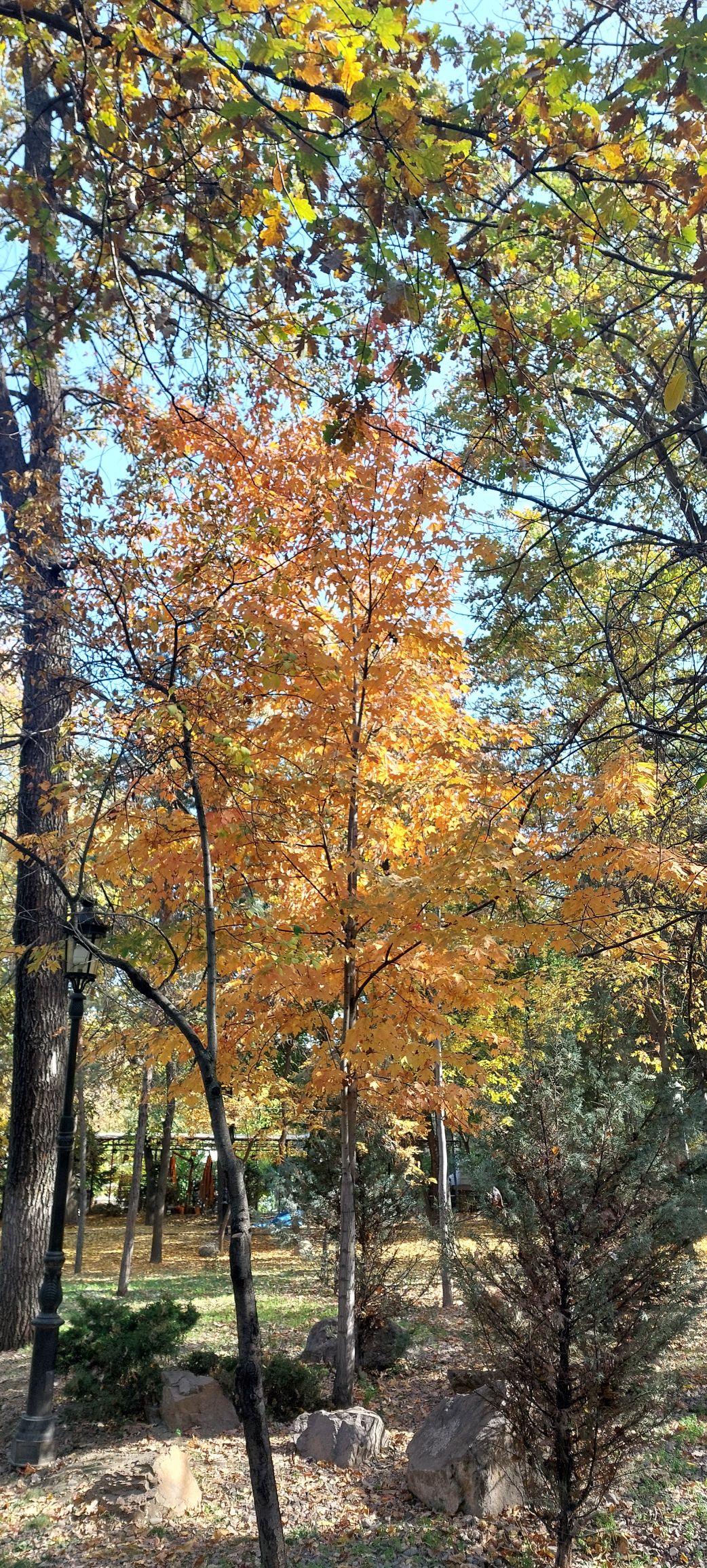
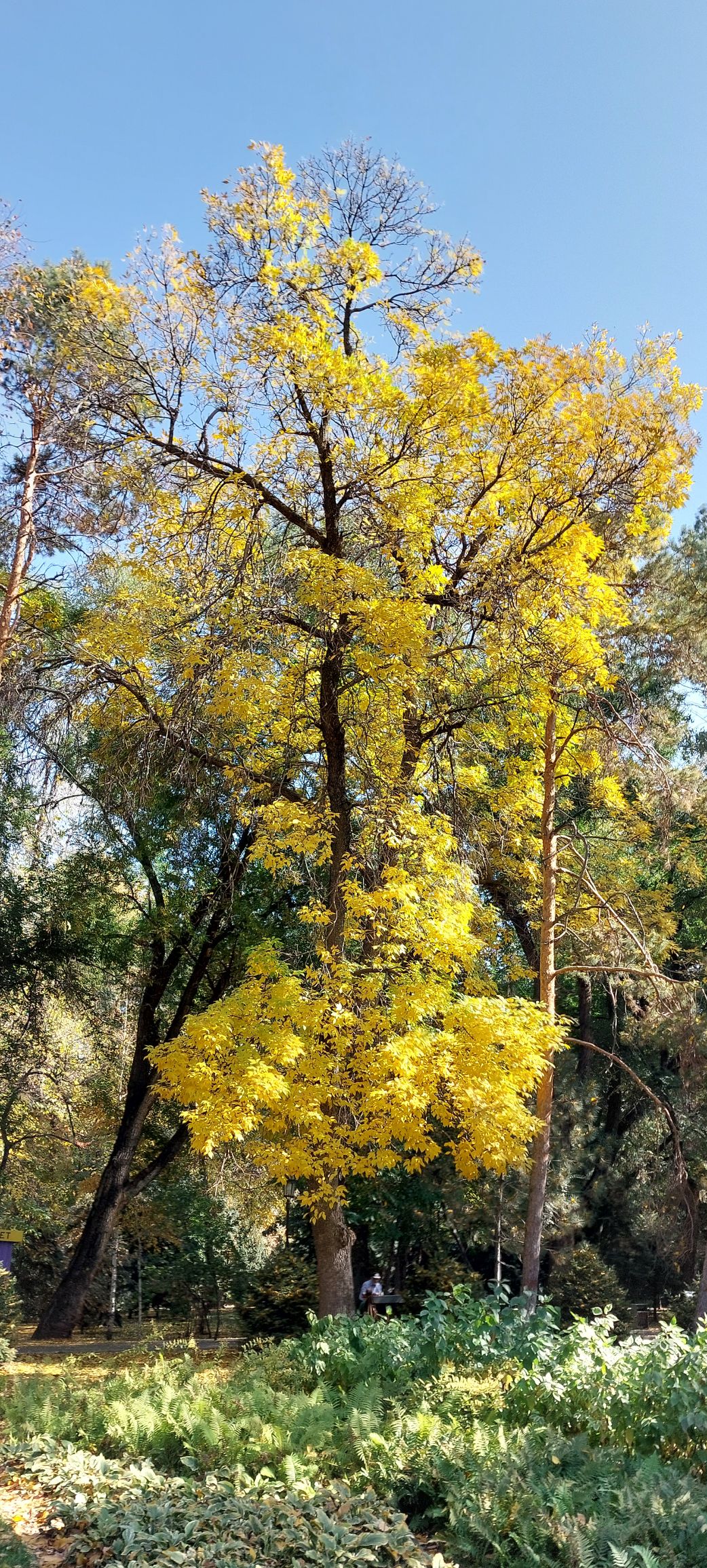
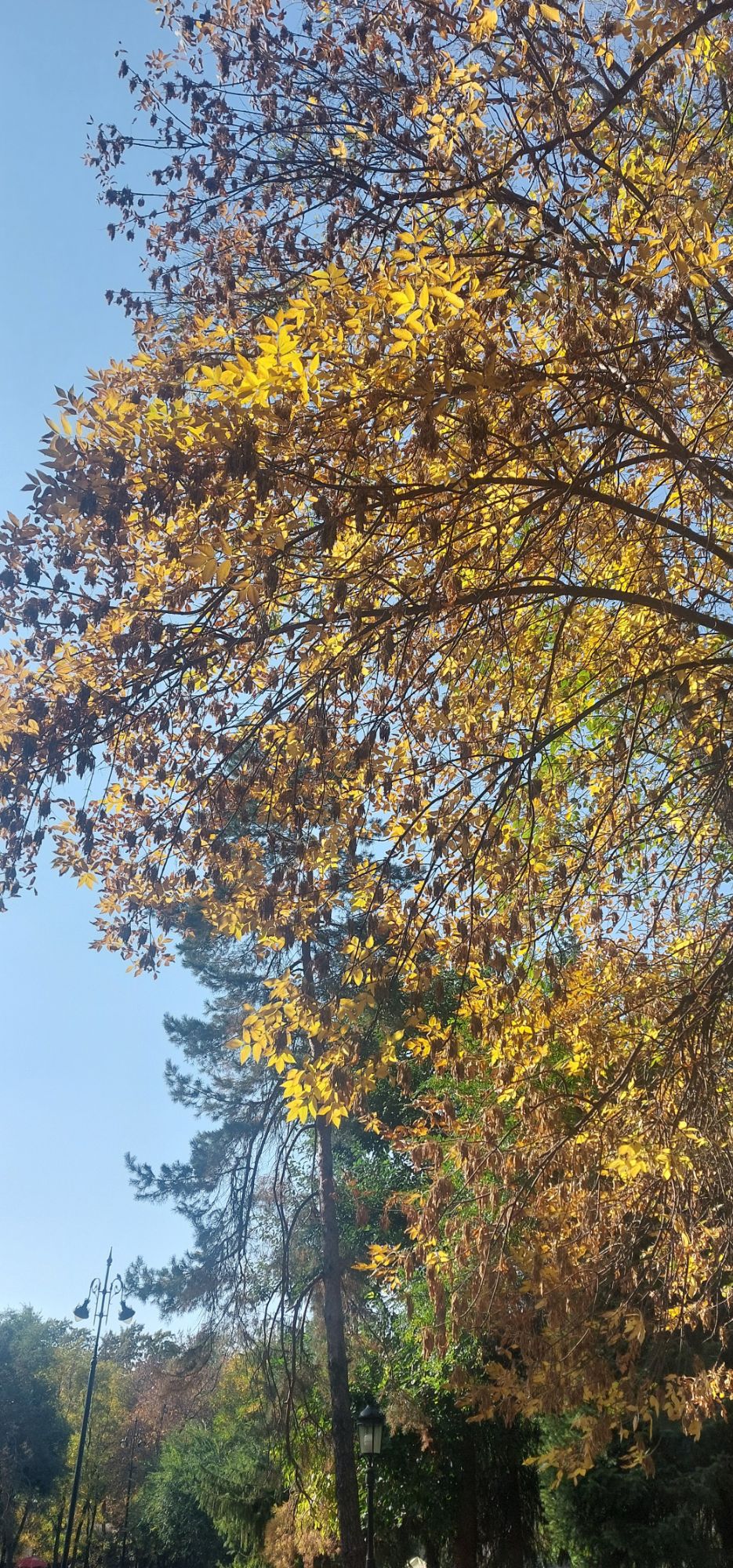
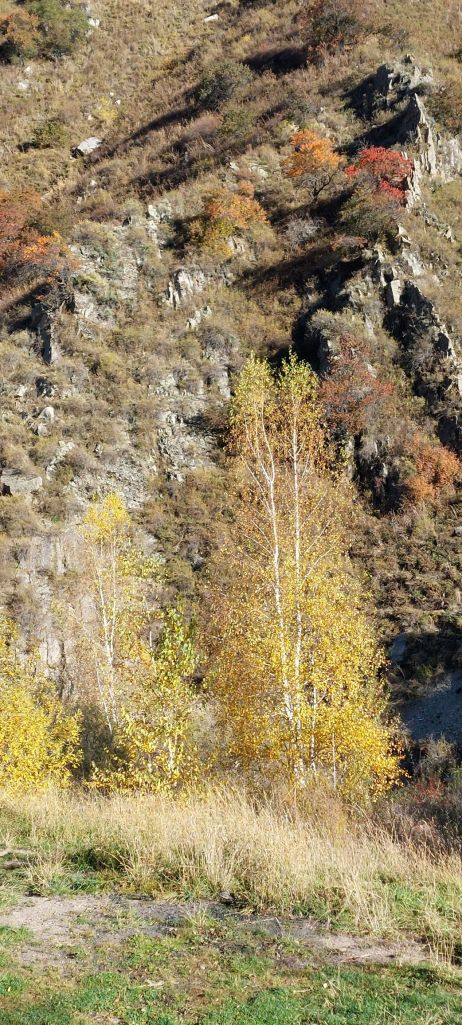
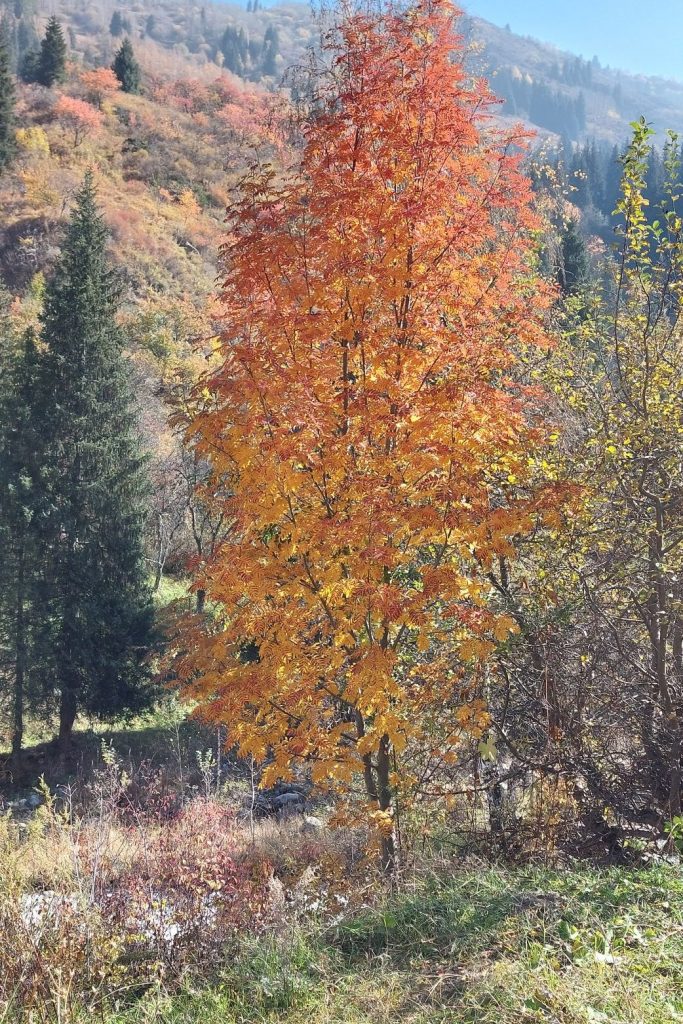
The day before had greeted us with autumn gold. Today, the heroes were copper and burnt sienna, generously splashed with gold. The hills were on fire and the sun was perfectly positioned for the trees to show off their finery.
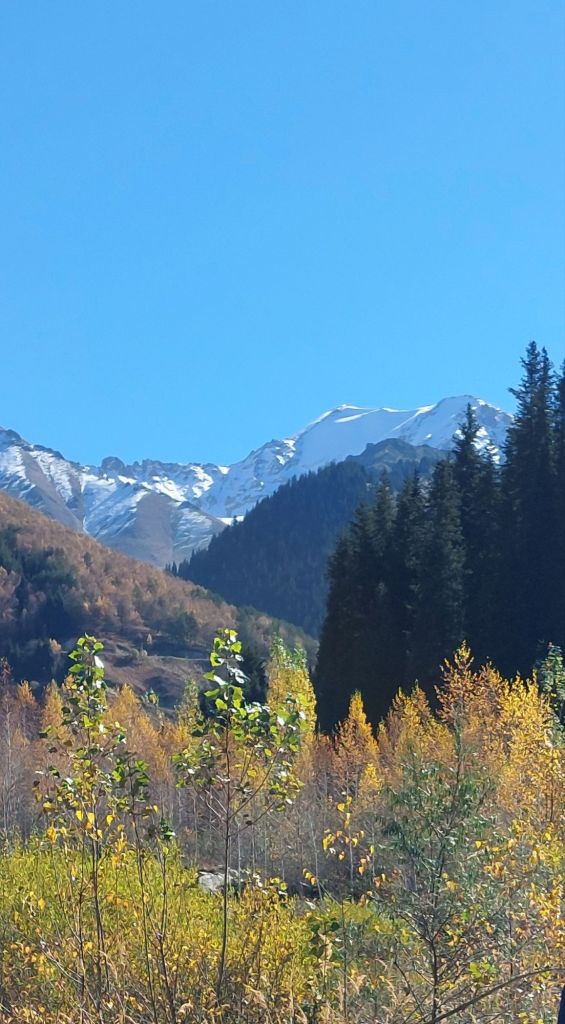
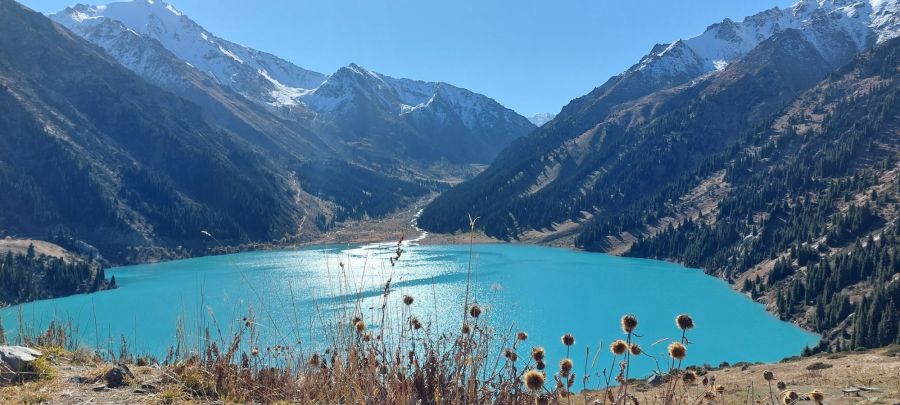
The Big Almaty Lake is the water source for the city of Almaty, it is therefore, heavily guarded. Picnicking by the lake, swimming or bathing in it, is prohibited. The lake likely gets its name for being larger than other lakes nearby. Although small, it is a gem. It put turquoise in the word turquoise for me. It is like a painting, it’s opaque waters shimmering under the sun. It is nestled in the Tien Shan (Tian Shan) mountains. At the time of our visit, the slopes were sparsely covered with pine trees and were capped with snow. We sat on a bench on the grassy knoll, just below the road, and admired it. There were just a handful of people around, and with the traffic being restricted, hardly a car passed, sheer bliss.
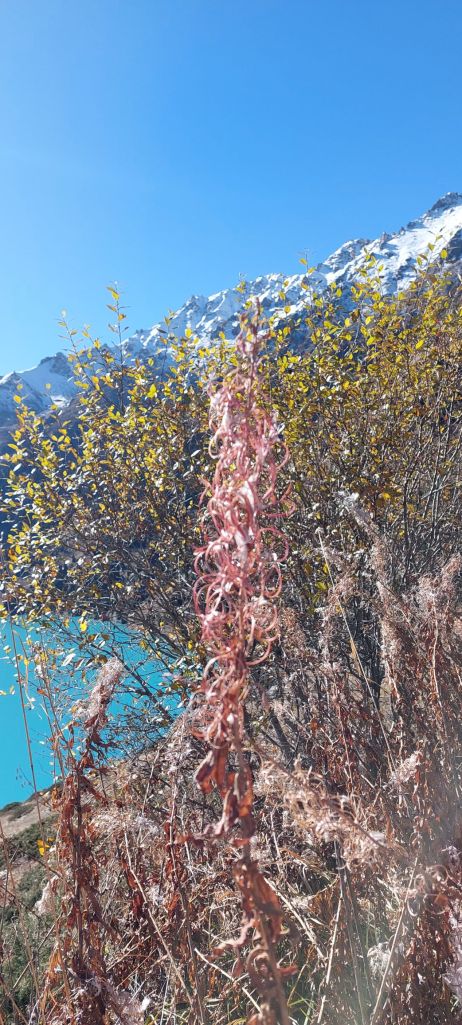
This centre serves as a gateway to the remarkable natural landscapes of the Lake, Alma-Arasan valley, and the surrounding Tien Shan peaks. You can find details about these hiking trails, wildlife viewing opportunities, and cultural insights about the region at the Centre. The centre also has a nice cafe. You can sit out on the deck, bask in the sun, and admire the beautiful hills. It also offers clean toilets and free WiFi.

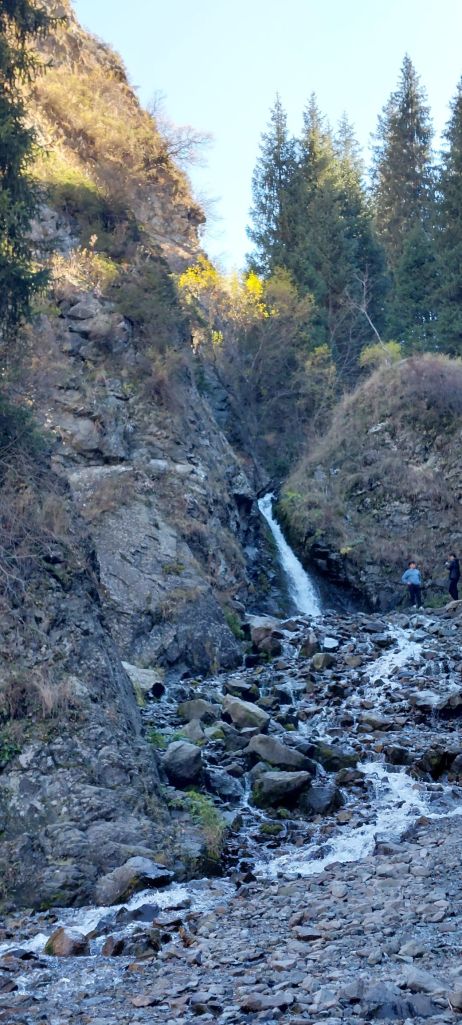
Behind the Centre is a path that leads to the Ayusay 1 Waterfall. For a few Tenge, you can hire a golf cart to take you to the waterfall. We took the golf cart, to save time. An example of Kazakh straightforwardness, was the golf cart driver dissuading us from taking the cart. He explained that the waterfall was not far, and the walk easy. He steered us there, chatted with us amiably. He shared information about the area. He also sportingly made fun of Kazakhs not being good at selecting names. The river, the gorge, and the waterfalls are all named Ayusay. He pointed out that the eco-cabins dotting the area were available for stays. Something that we would consider doing, if we returned.
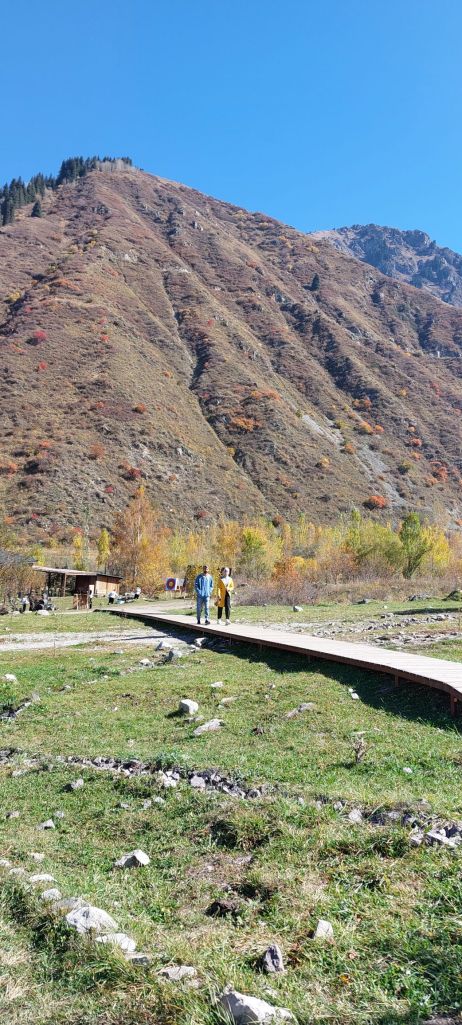
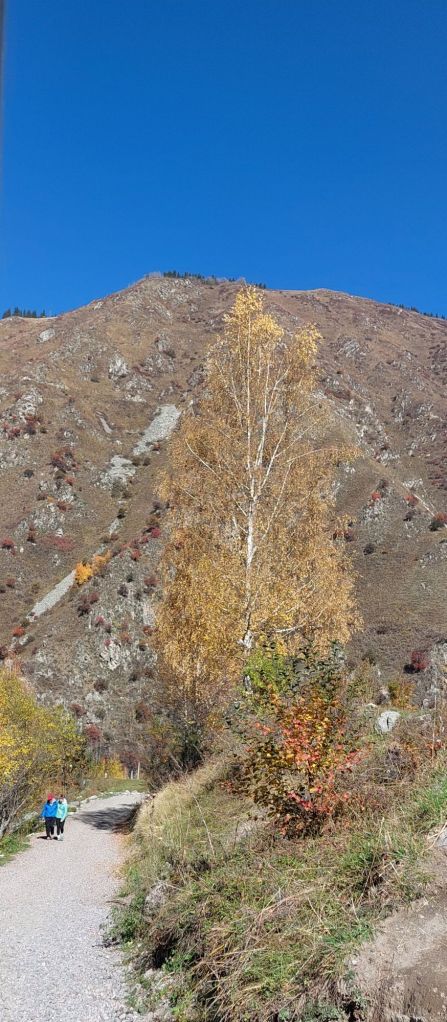
Getting to the lake is complicated. One first needs to get to the Ayusay Visitor Centre. This could be by cab, self-driving, or hitchhiking. On weekends the shuttle from the First President Park, is also an option. It is possible to book a cab on the Yandex app to get to the Ayusay Centre. Note, you need a local mobile number to use the app. Local chips are easy and cheap to purchase. We met travellers who received complimentary local chips from their hotel, which they then loaded. We did not take a local number because we were walking to most places. When we needed a taxi, someone at the hotel reception would book us a cab through their Yandex app. We would pay the driver cash at the end of the ride. I have already mentioned how kind and helpful Almaty folk are. Even a random local would book you a cab.

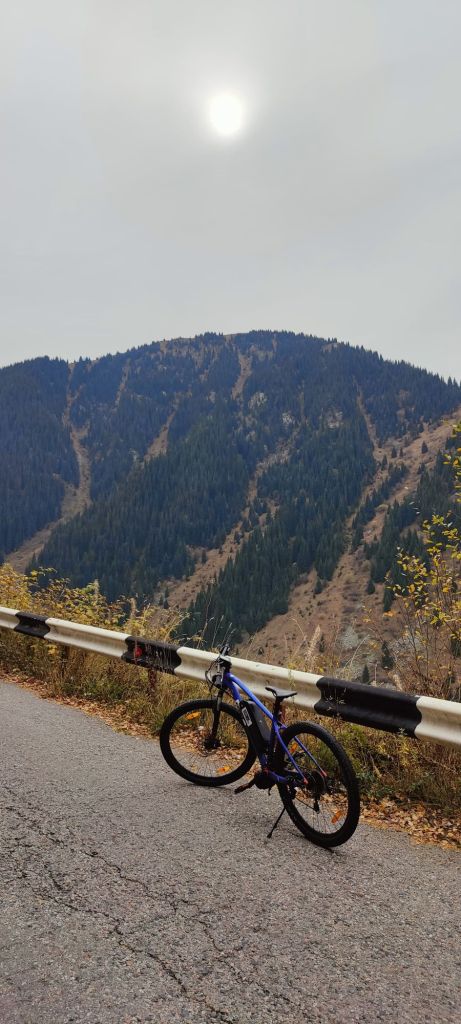
At the time we were visiting, access to the lake by car was closed, as it often is. The legitimate options in this scenario are, walking to the lake along the road, an 11.5 km uphill walk. Easily 3.45 hrs each way, so whole day gone. Or, hiking along the pipeline using the metal stairs (8 km). This is difficult. The third option is renting an electric bike and cycling there and back, a minimum 1.20 hours travel time for up and back. The e-bikes need to be pedaled, the scenery is more easily enjoyed while coming back, on the downhill.

You can pre-book the e-bike through electrobikes.kz for 20,000 Tenge, or complete the formalities on site at the e-bike office near the Centre. There are three time slots for the “tour”, 9 am, 12 and 3 pm. It is however, not a tour, you are simply hiring the bike for 2 hours, helmet and vest included. Though the first slot is 9 am, expect the office to open a little later. A photo of your passport is kept in their record, and you sign a form undertaking to return the bike within 2 hrs.

The Lake is very close to the border with Kyrgyzstan. Carrying your passport, is imperative. There is a check post just before the lake. Not being able to produce your passport, entails a hefty fine, and missing out on seeing the Lake.

There is weak to no cell reception at, and ahead of the Ayusay Visitor Centre. Fortunately there is free WiFi at the Centre, the password can be found at the Information Desk. This is a godsend for booking the return ride. The return ride is not easy to find. Especially if you are trying to get back to the city later in the day. On the weekend, the electric shuttle bus that runs between the Centre and the First President Park is convenient. It costs 1000 Tenge per person, each way.

Tour operators, or taxi drivers via middlemen at your hotel offer tours, or rides till the Lake. In this scenario, the last stretch from about a kilometre ahead of the Centre, is undertaken hidden in the jeep of a forest guard. You are regularly admonished to stay bent over. Enjoying the scenery, or the ride is difficult. Beware there are stories of being held to ransom for the bribe.

In my opinion, it is a must visit, if you can get there by cycle or car. Not worth the effort and time of hiking.

Next, we headed to the Alma-Arasan gorge which is is 1780 meters above sea level. In this area there are many interesting places and stunning landscapes. Among the most famous are Ayusay 2 Waterfall (Bear Falls) and a warm thermal-radon sulfuric spring, where anyone can swim. According to legend, Timur’s warriors were treated in this spring.

This is the northern slope of the Zailiysky Alatau mountains. Two rivers flow through the gorge – the Prohodnaya and the Kazachka. Closer to the city, they unite, forming the Bolshaya Almatinka River.

From the bottom of the Ayusay 2 Waterfall, a hike takes you to the hot springs. The hike is along the flowing river, across small river bridges, requires wading through shallow water, in places. It may take up to an hour to reach the top. At the top, you can bathe in cold and warm water tubs.

We did not hike to the spring. The rocks, till our eye could see, were high. Appeared slippery. We did not want to take the risk of an incident, so early in the trip. We would have liked to see the spring, but we had no plan to bathe in it.

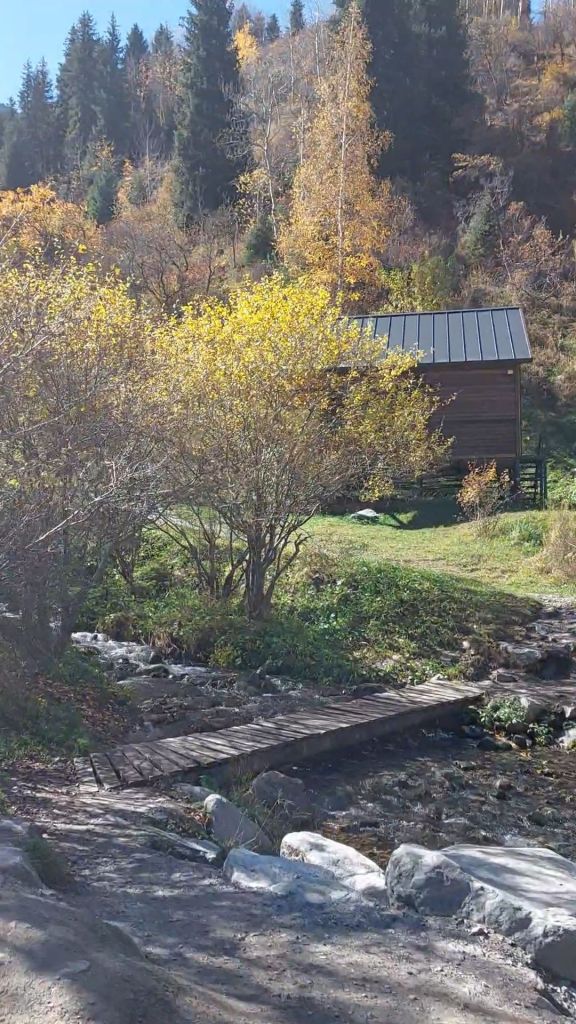
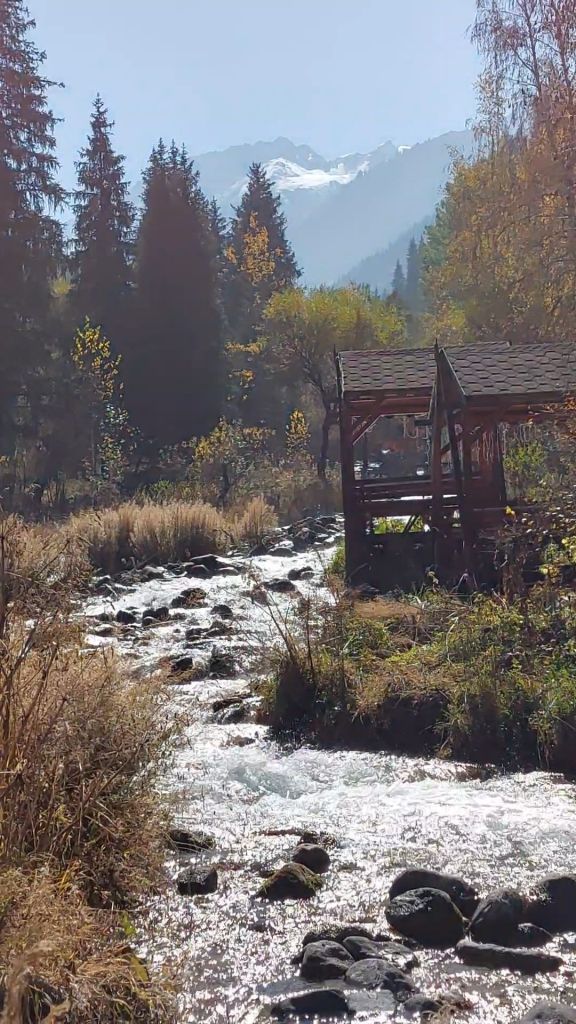
Our driver compensated the time we saved on the spring by taking us to Almasai Restaurant. The Restaurant is located in a huge Yurt. It serves local cuisine, with smaller yurts and cabins alongside the river for dining. It is a beautiful spot to enjoy the stunning valley, the burbling river and the colourful trees and plants.
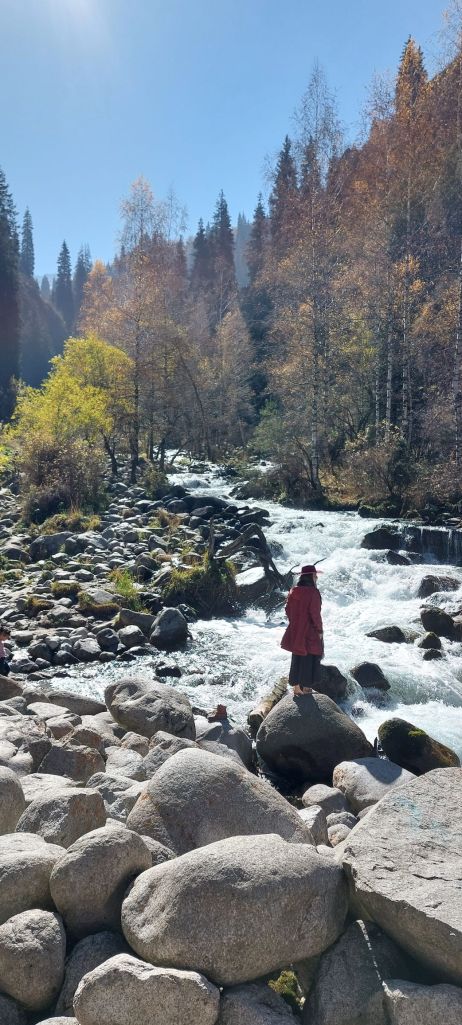
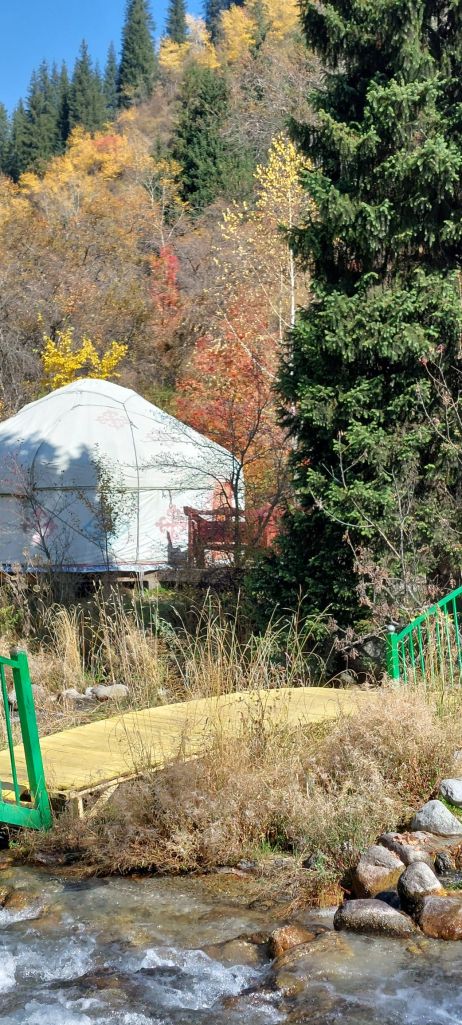
All in all, the Alma Arasan valley had a raw, untamed beauty which was captivating. The vibrant colours of fall, the rugged rock formations and the patches of green, contrasted beautifully with the lofty mountains.

One could get there by taxi or by bus number 28. This has a stop, to the left of First President Park (If you are facing it). On Dulati Street/ Avenue.
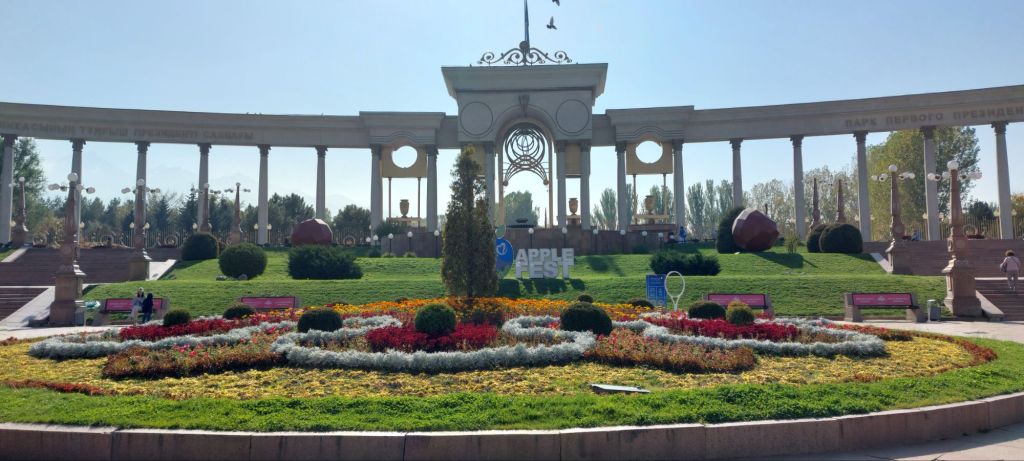
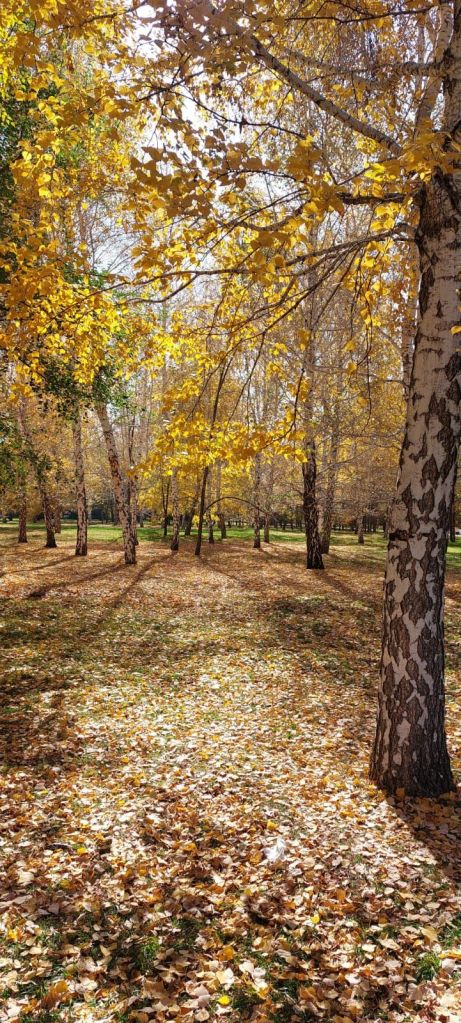
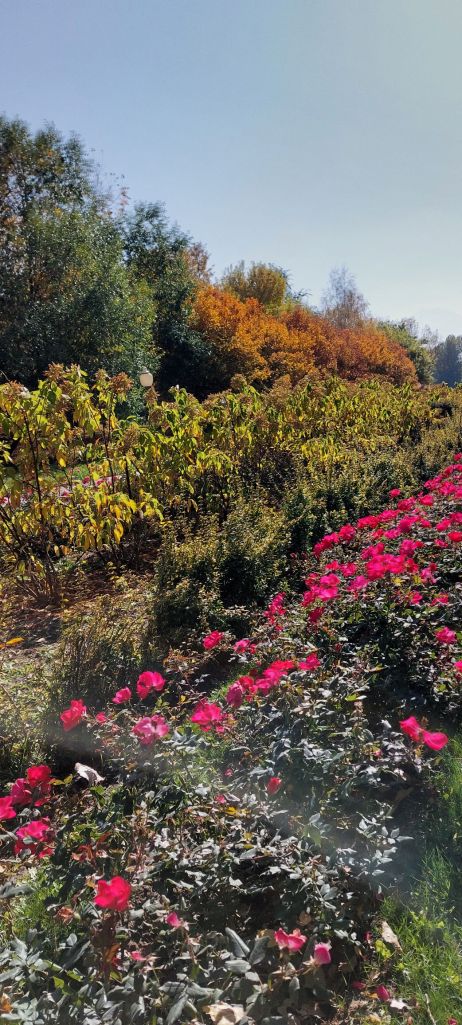
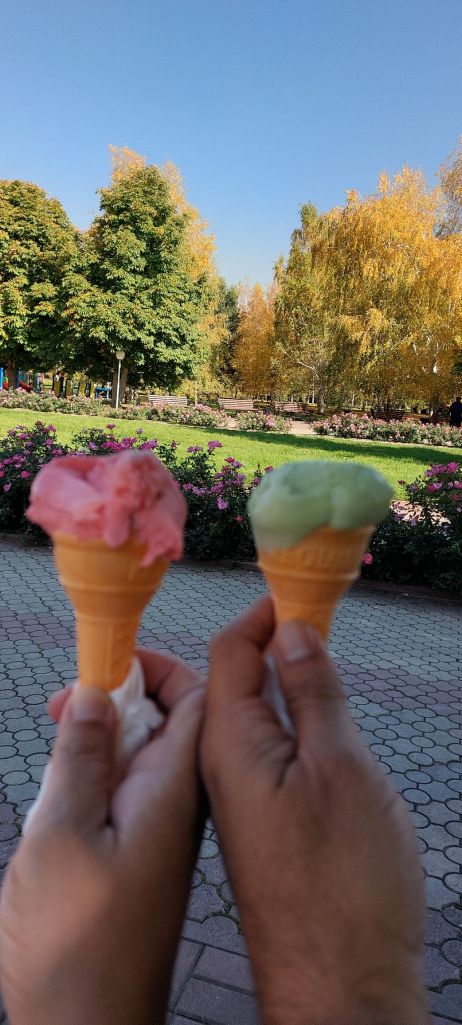
From all this natural beauty we headed to the man made variety – the First President Park. This features a monument dedicated to Nursultan Nazarbayev, Kazakhstan’s first president. The entrance is impressive, with its towering arches and masses of bright flowers. The park within was equally wonderful. The day was sunny and families were out and about, enjoying walks, picnics, ice-cream and the vibrant trees and flowers. We too enjoyed ice-cream and sandwiches from the kiosk within the park. Our first and only taste of Kazakh ice-cream. In the setting it was nectar, in hindsight it was more colour, less flavour. But then ice-cream is one of those things which even without flavour can enhance the mood. The park is scattered with benches. We got in forty winks, on one of them, to make up for the lack of sleep the night before.

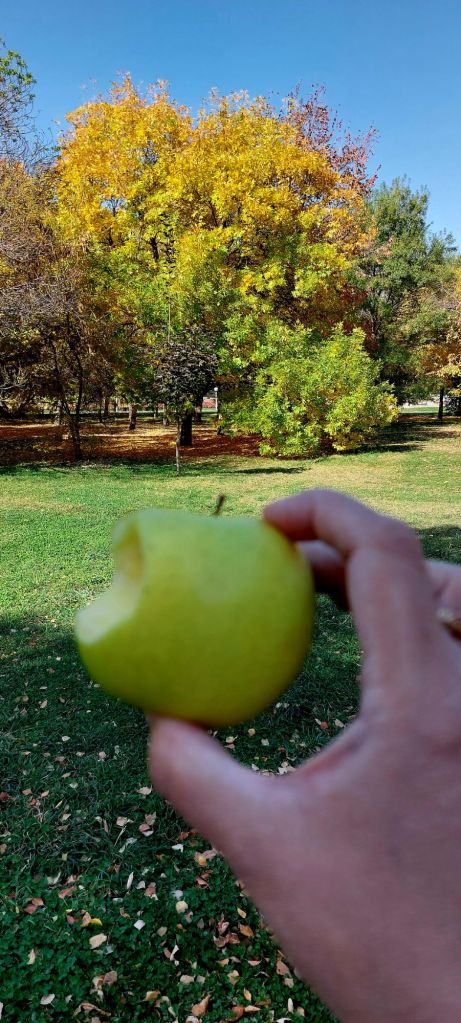
We also ate our first Kazakh apple here. It is commonly believed that apples – originate from the very region we were wandering. They were spread across Asia, eventually reaching Europe, through the digestive systems of bears, other large mammals, horses, and humans who had discarded the cores, by the roadside on their travels. This, shall we say, near biblical pleasure, was soured a few days later, when we learnt from a local guide, that, in all probability the apple we ate was imported from China.
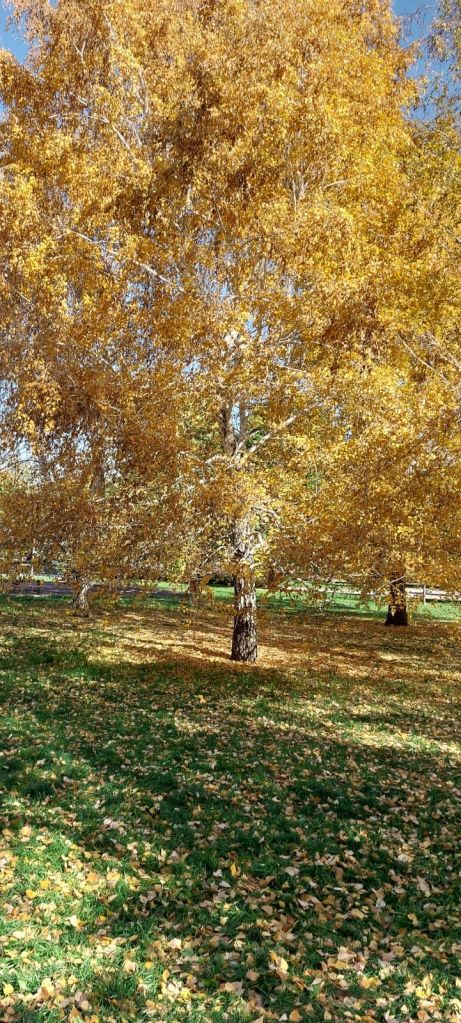
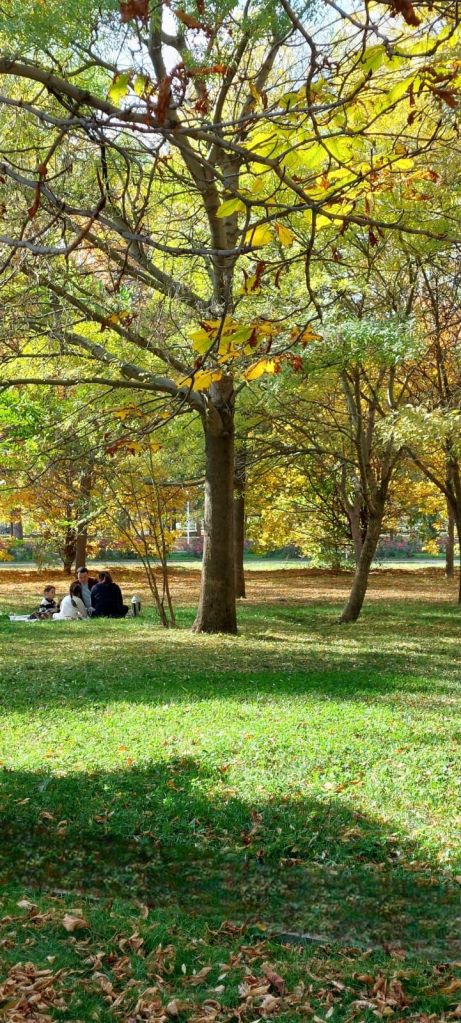
There are cherry trees in the park. In spring, this would be a good place to witness Sakura.

The park has musical fountains which were not in operation on the day of our visit. After dark, the fountains and music are synchronised with coloured lights for a show. As per accounts of other tourists, this spectacle is well worth enjoying.

To be noted, the Park has no toilets within. The toilets flank the stairs that lead to the arched entrance of the Park. While the Park has no entrance fee, the toilets had janitors collecting payment. The issue not being having to pay, but having small change. Small change is an issue everywhere. The locals just pay through their bank app. One lady on noticing my dilemma, kindly offered to pay for me. 

The Park is easy to reach by bus and taxi.

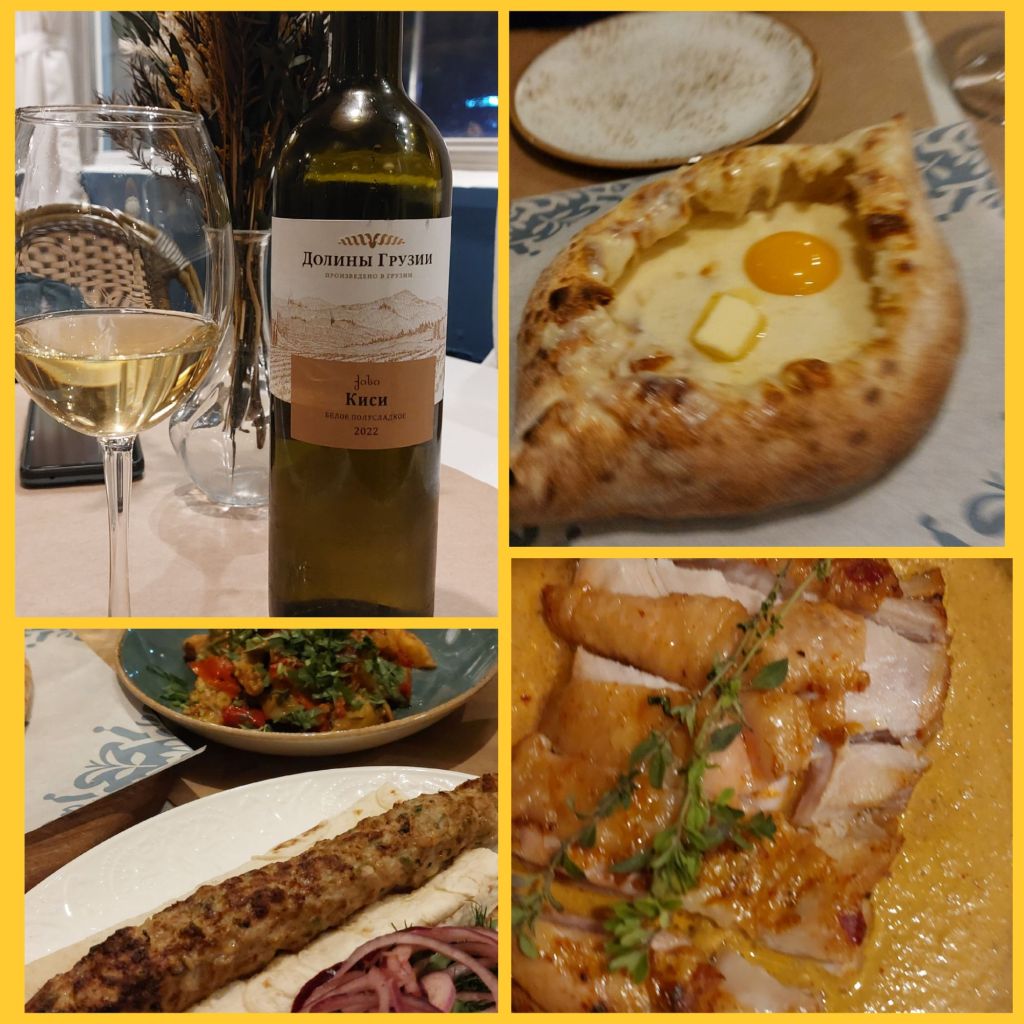
We returned to our hotel and took a peek at the tiny indoor pool and sauna. Rather than being cooped up, we decided to take a stroll through Panfilov Park. Then headed for early dinner to Darejani, a Georgian Restaurant, opposite Marina Roshcha, where we had lunch, the day before. I looked forward to our first “Khachapuri”. I teased my unsuspecting partner all the way there. Asking him if he wanted to have “Pani Puri” a popular Indian snack, or “Aloo Puri” a popular Indian meal. Puri in Hindi is a fried bread. I plied him with some good Georgian wine, and then we were introduced – the Adjaruli Khachapuri. A boat shaped bread roll with cheese and egg. It did not disappoint. The waiter made a production of it. Mixing the cheese and egg in front of us, explaining how to eat it, making the experience quite special. The other dishes we ordered, lamb kebab and the chicken in hazelnut sauce were flavourful. We were planning a holiday to Georgia before we finished the meal.
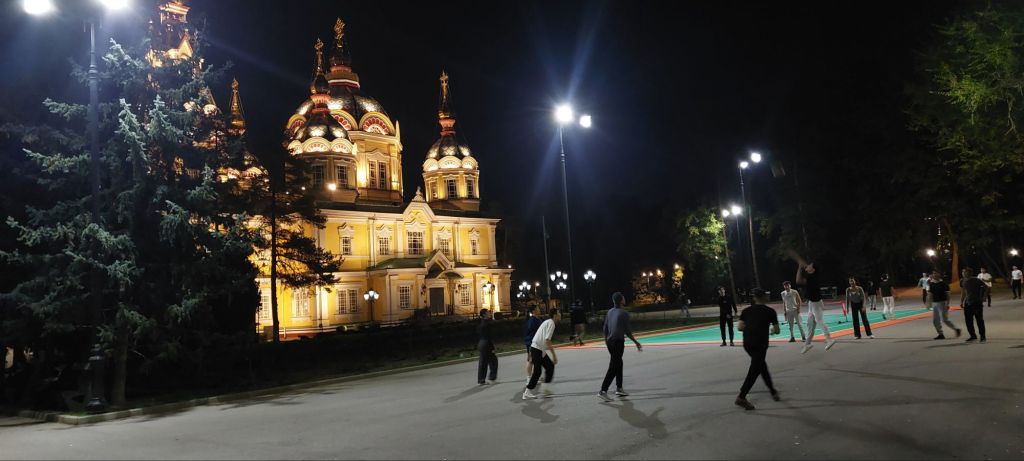
Another stroll through Panfilov Park, to work off dinner. A look in on the fun and games of the young people, and we turned in for the night.
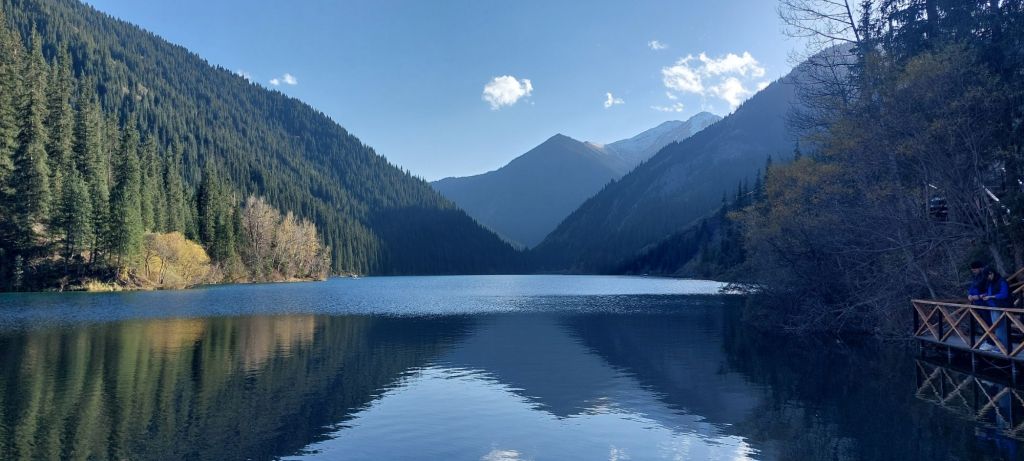
The next day our Kazakh adventure was to continue. We were off on a two-day small group tour of Kolsai and Kaindy Lakes and Charyn Canyon.
Follow the blog, to not miss out on all the action. Share your thoughts, if you have already visited these places, or not. Do you feel the Big Almaty Lake is a must visit, or not? Ask questions, clear doubts, engage.
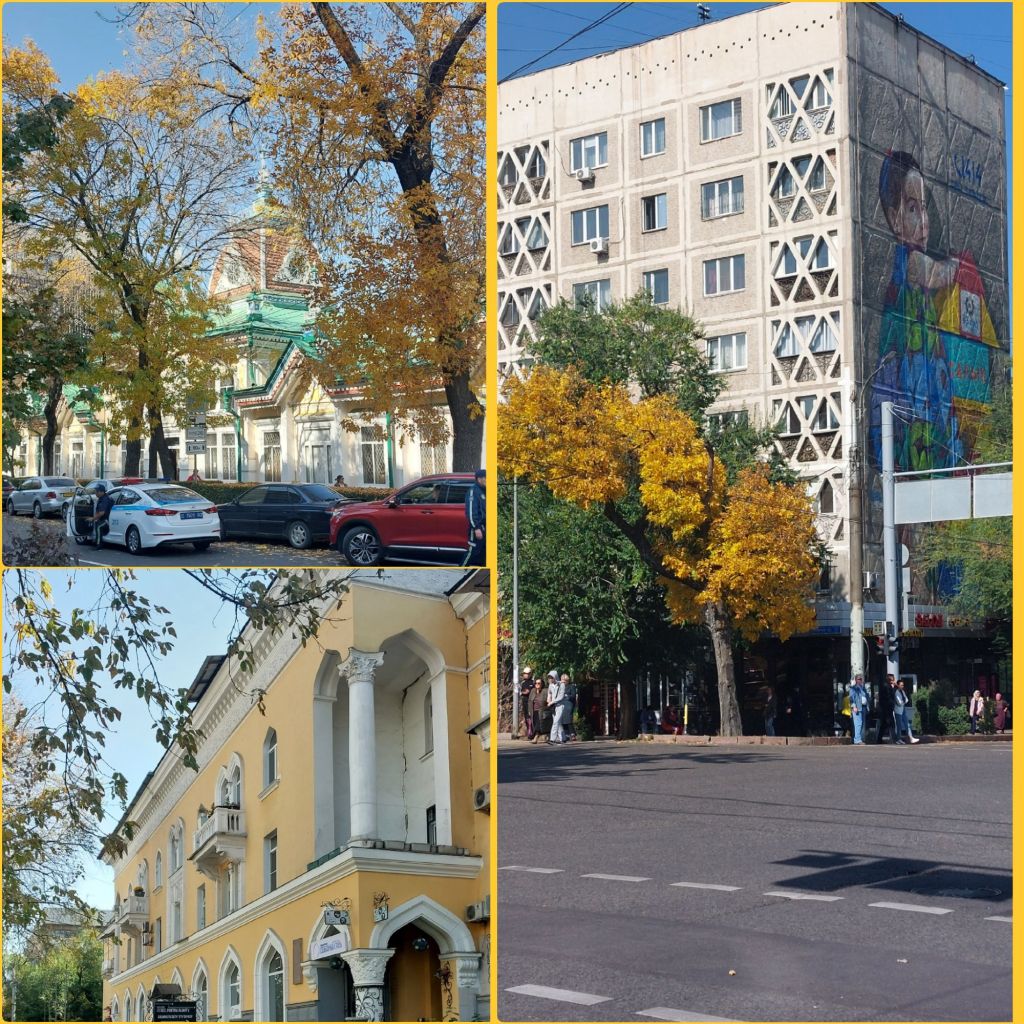
Discovering Autumn and Freedom in Alamty

A few months back I scrolled upon a Reel, of what I thought was Europe, glimpsing trees turned all shades of yellow and being forever on the lookout for new European destinations to witness fall, I watched till the end. I was surprised to find that the setting was not Europe, rather my own continent, Asia, and the city and the surrounds were Almaty. The Reel was by an Indian, and suggested that all that was required was a passport and a ticket. I was sceptical about the claim that my Indian passport could get me there without a Visa.

Almaty a city in the south east of Kazakhstan was the country’s former capital. A quick search revealed that the city was old and beautiful but I was not able to fact check whether autumn manifests itself in Almaty, as vividly as portrayed in the Reel.

A couple of days later, in the second week of August 2024, while at work, I received an email from IndiGo airlines beckoning me to an online ticket Sale. Happy to take a break, I immediately indulged my curiosity.  I found that a return ticket from New Delhi to Almaty in October, when I assumed autumn would best manifest, would cost approximately Rs.23,000/- (about USD 280) and the flight took just 3 hours. This seemed too good a deal to pass up, my partner was busy at work, a couple of feet away. I reminded him of the Reel and the fall colours, told him the fare and said it was the last day of the Sale, he said “Buy the tickets!”. I queried, “For a 5 day trip?” he responded – 10. I felt that was a tad long for a Central Asian city, in my ignorance, supposing it would not have ten day much to offer, but my travel spirit decided against looking a gift horse in the mouth, I bought the tickets, outward on the 7th of October, 2024 and inward on the 17th.

The holiday was 2 months ahead, so I just forgot about it for a month. In mid-September, I started having kittens. I cross checked from several different sources about requiring a Visa, I found that a Visa was required for Indians for stays above 14 days and even then, could be obtained online. I looked up websites consulted Lonely Planet and found that there was a long list of places of natural beauty that could be visited keeping Almaty as the base. Taking local public transport to these places was not an option as the information available was sparse and language an issue. Kazakhstan being one of the states that was a part of the former USSR, is a perfect destination for anyone that speaks Russian or at least reads the Cyrillic script, without this, it is difficult to figure out the destinations on buses in time to board them. Incidentally even Kazakh is written in Cyrillic script. I made inquiries with local tour guides/ taxi services about visiting these sites and found that every quote was above 250 USD a day. This appeared more and more, a more expensive destination to witness fall than Europe with no guarantee that we would be able to witness it.

I asked my partner if we should just cancel the tickets, I feared that not only would there be no fall colours but anticipated a hostile environment where language and cultural barriers would make enjoyment difficult and expensive.

By now it was too late to apply for a Schengen Visa, and in any case, we did not have the appetite to jump through the hoops. My partner said to treat it as an adventure, his research found us a local Almaty tour company and we booked a two day tour to cover some of the sights- Kolsai and Kaindy Lakes and Charyn Canyon. I prepared lists of what we could do on sunny days, on rainy days, on lazy days. With ten days in hand, we could aim to do stuff at a leisurely pace, and we did.

For seven of the nine nights we were in Almaty, I chose a hotel in the heart of town, on the corner of Panfilov Park, the Renion Park Hotel, which conveniently, was also one of the pick-up points for our tour.

We landed in Almaty at 23.45 local time, the flight was choc-a-bloc with Indian students heading to Kazakhstan to study medicine, many on their first flight, this kept the short, no nonsense three hour flight interesting.

Out of caution, and as I would not have had KZT – Kazakh Tenge, the local currency, I had arranged the Taxi through our Hotel for 9000 Tenge, (approximately 1500 INR/ 18USD). The Hotel had arranged the taxi through the Airport Taxi kiosk, the driver contacted me on WhatsApp as soon as I landed and was waiting with a placard at arrivals. The Hotel took care of his payment. Had I taken the taxi through the facility at the airport, it would have been a tad cheaper and I could have paid by credit card or cash as, there was a currency exchange at the airport, open and operating.

Immigration, was smooth as butter. There were sufficient counters, we were efficiently pointed towards the vacant ones, the officer had a welcoming attitude, no questions asked, I breathed a sigh of relief when he stamped my passport, Hallelujah, I really did not require a Visa, someone valued my Indian Nationality.

Immigration was so fast that we had to wait for what seemed like eons for our baggage to come through, then we met our kindly driver, who chit chatted with us through google translate, he is looking forward to visiting Goa. The nightscape lead me to believe I was in a European city. Over the next 10 days it turned out to be that and so much more.

We were so excited; I don’t know how we slept.

We woke up to fall colours right outside our window and snow peaks in the backdrop. We had won the lottery. After a sumptuous breakfast at the Hotel, our first order of business was to find an ATM for cash and finding bathroom slippers, in our sizes. Hotel slippers are not for us and I had never before forgotten to carry ours, this transgression though gave our holiday even more purpose.

The shopping district of Arbat was at our doorstep, we easily withdrew cash on the Niyo Debit Card, from a local bank ATM, limit was 85000 Tenge, this would have been more than enough cash for the entire 10 days, as credit cards were readily accepted. The slipper shopping we left for after sunset.

Cash in hand, we set off to discover the city. We walked lovely tree lined streets, resplendent in autumn colours. The people were going about their business. Every interaction was kindly, we walked past the Green Market, choosing not to enter it, we didn’t want to be indoors. We knew we were wandering in the opposite direction of Panfilov Park where we had planned to head, but we just kept on walking.

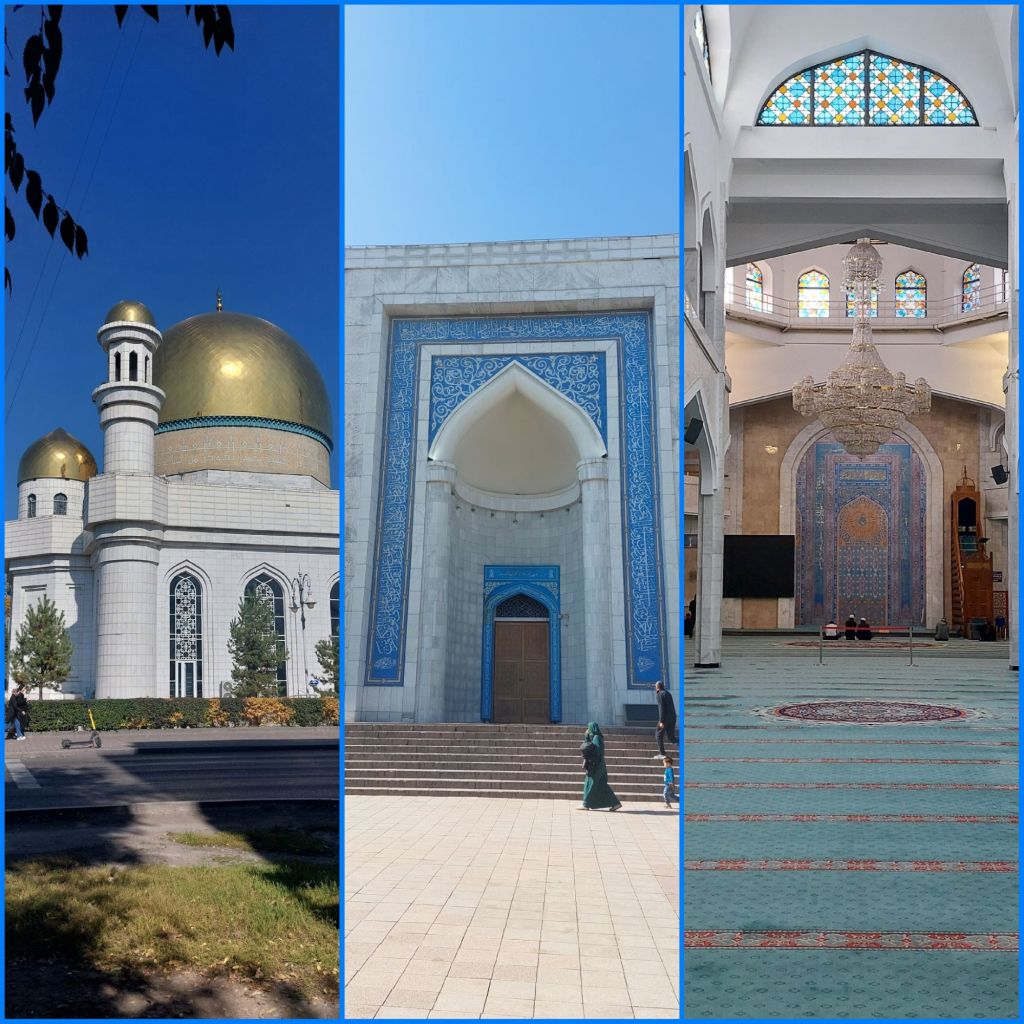
On seeing a golden orb in the sky, we gravitated towards it, it was the Almaty Central Mosque. With flamboyant golden domes but an understated exterior. There were mostly tourists around the mosque, no call by the muezzin, in fact in 10 days we never heard a single Aazaan. While admiring the mosque façade, I eavesdropped on a guide explaining that the mosque used to be an unassuming wooden house in the soviet era, as religion was not practiced openly and the present mosque was built in the recent past when that house burnt down. I slowly understood that the Kazakhs had taken the best of the soviet and blended it with their spirituality, religion here was deeply private not to be brandished not to be imposed, not to be talked about. This so resounded with us.

Back to the group with the guide, she lead them into the mosque covering her head, as did the other ladies, I followed suit, and we entered the mosque, viewing it from a gallery that appeared to have been designed exactly with the purpose of tourists getting a glimpse within without disturbing those at prayer. It was peaceful, full of light, with lovely blue tiles and a handful of people offering prayers. As we all exited the mosque, I realized the group was Italian, not one to miss a chance to chat in Italian with people, who like me love to chat, I greeted them with ‘Salve Signori’ and that is all that was needed for us to discuss their country, our country, their travel to ours, ours to theirs and then I said to them that I was happy that I had met them on a day on which we were rejoicing in the immense sense of freedom that we felt on being able to travel outside our country for the first time, without requiring a visa and one of the ladies said so you are ‘Kazakh’, I said no I am Indian, she smiled and reminded me that Kazakh literally means freeman, as this was a land of nomads and I repeated proudly, yes, I am Kazakh.

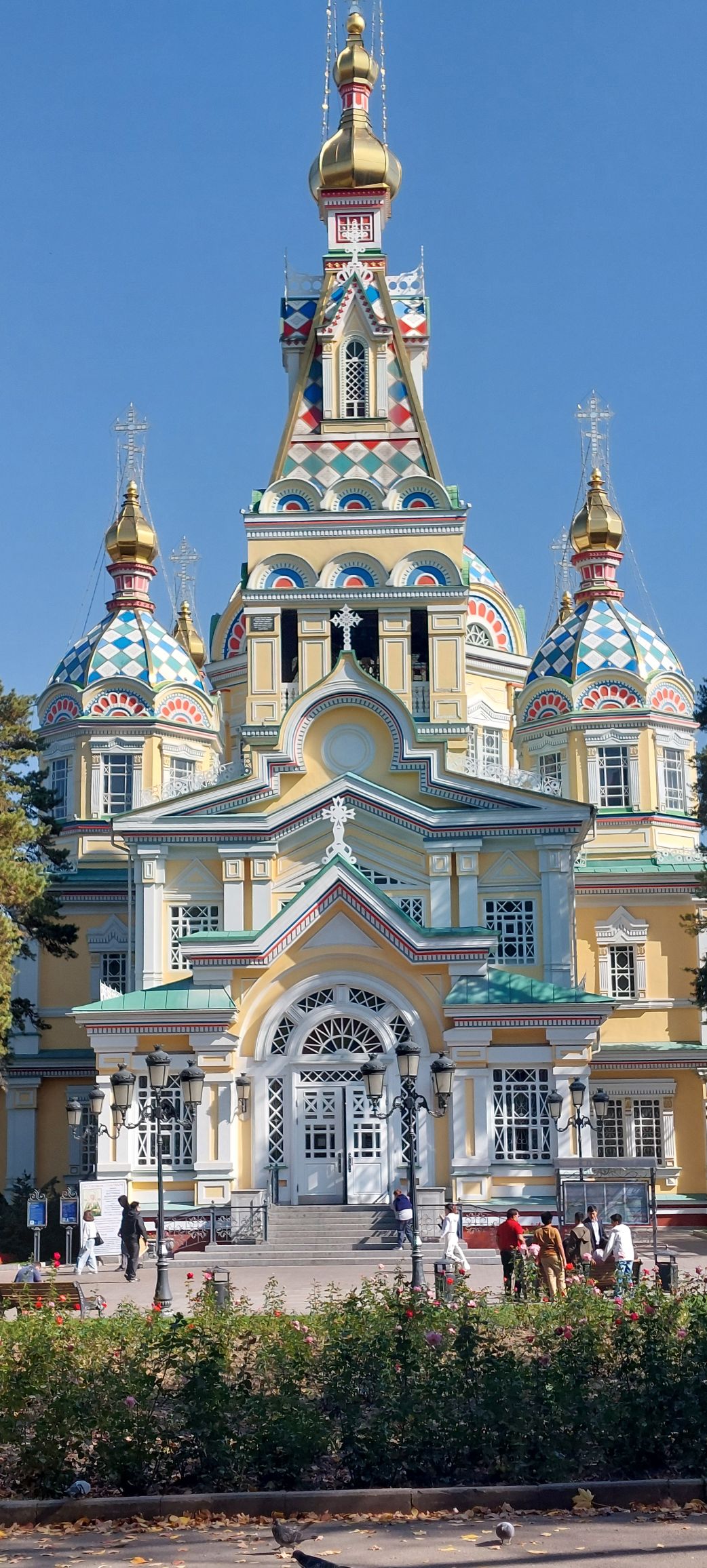
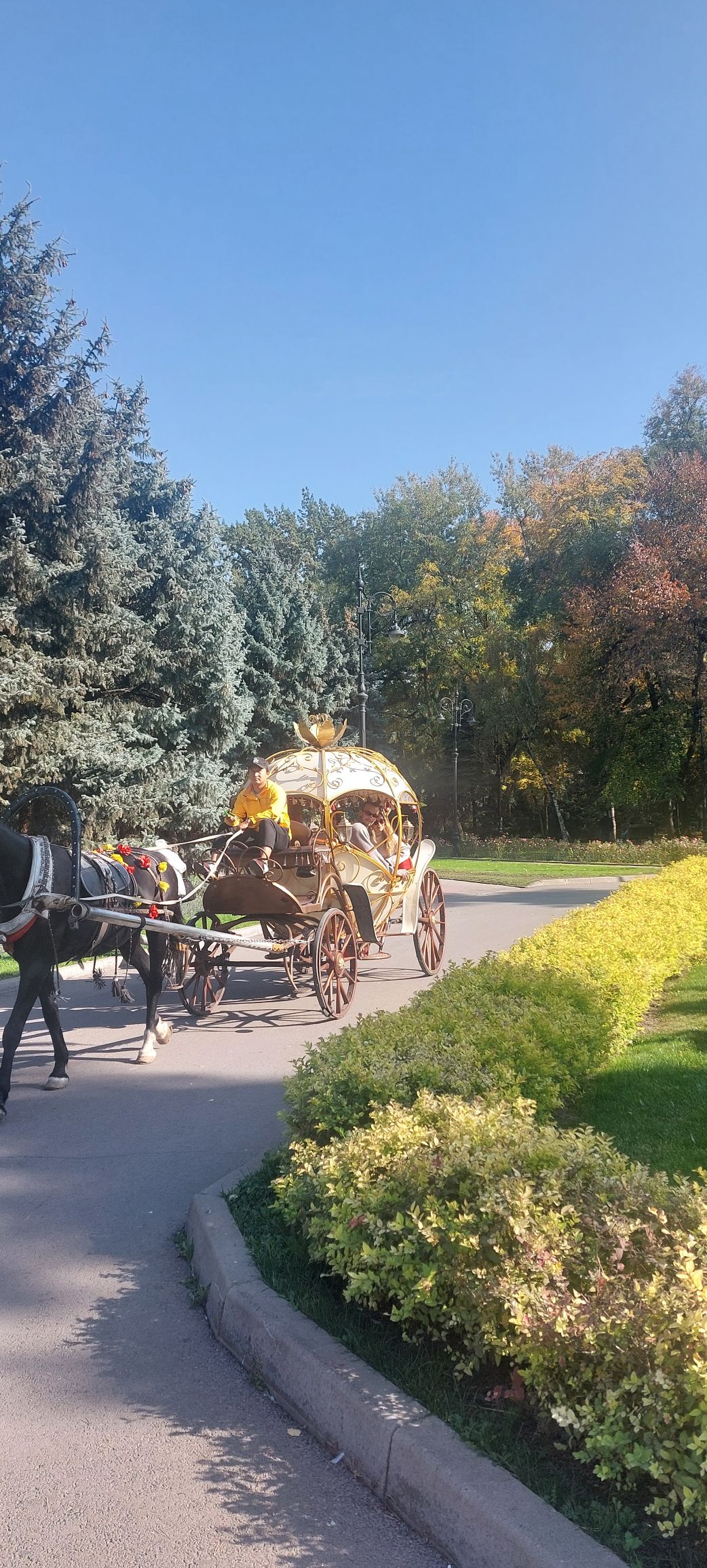
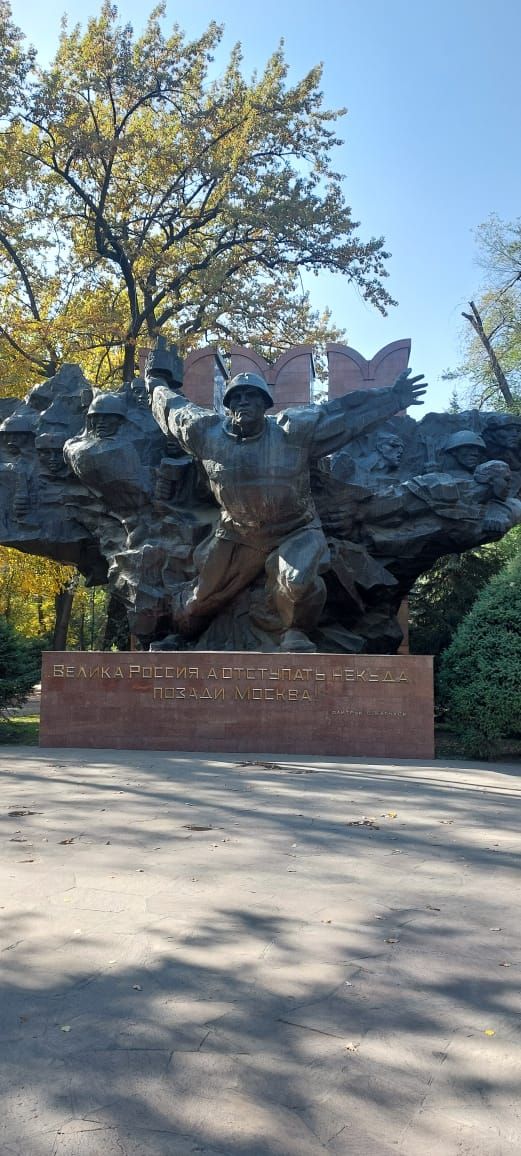
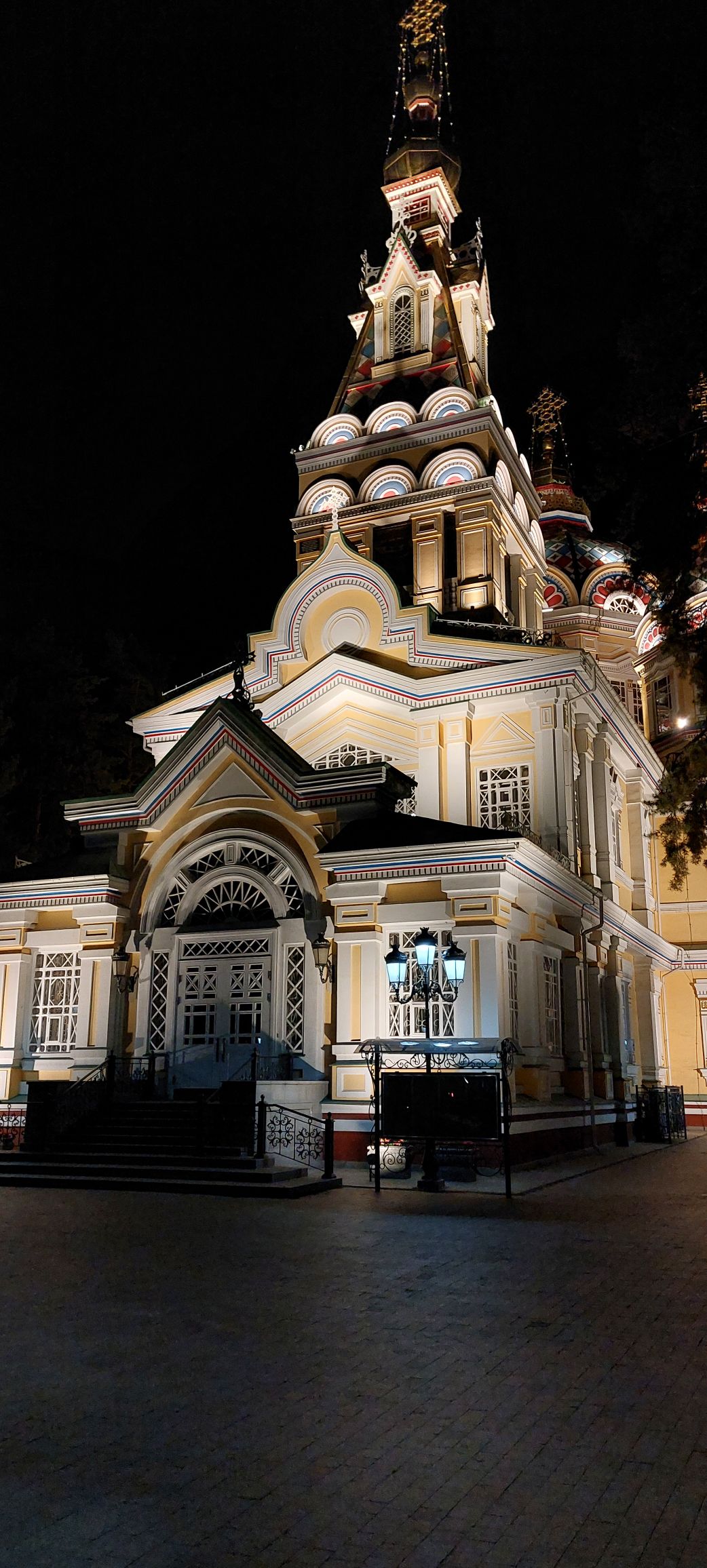
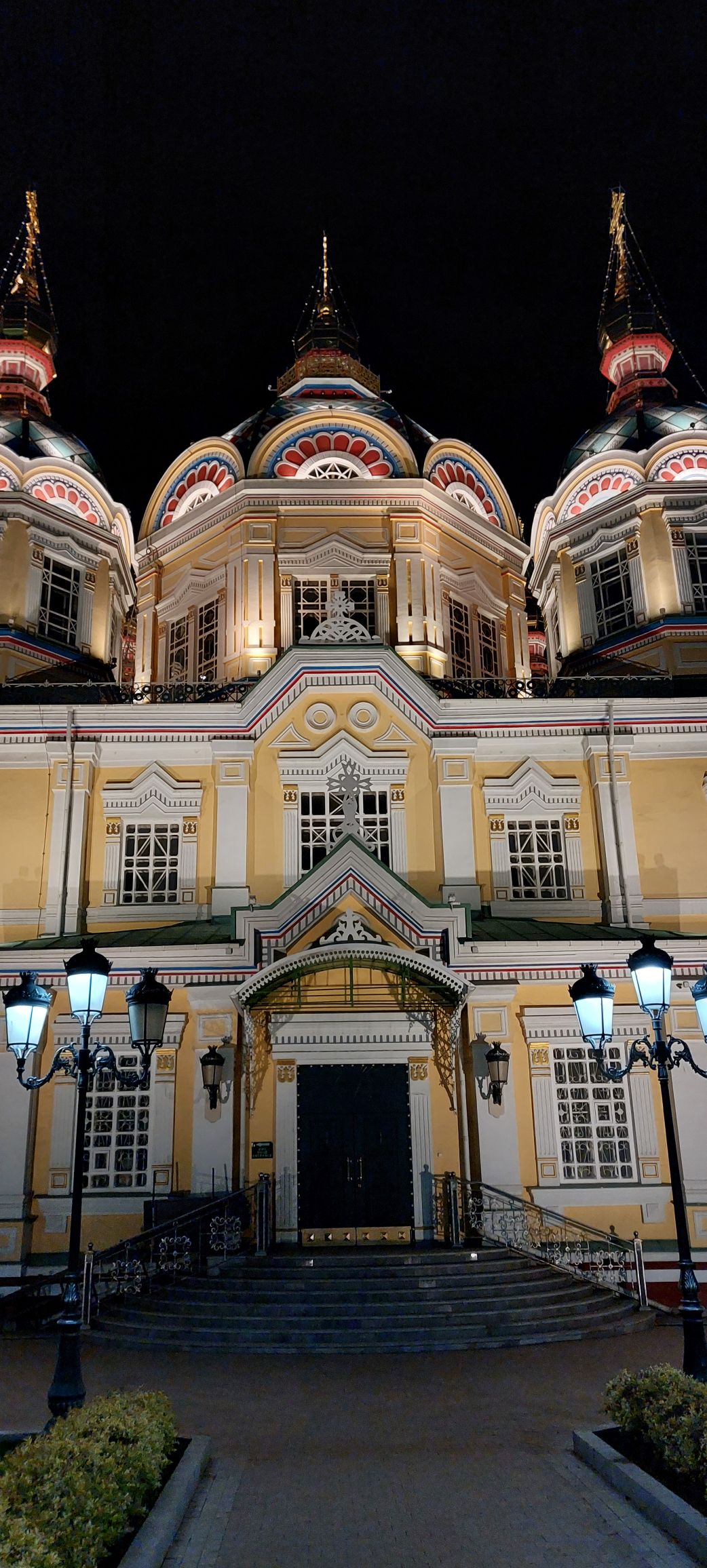
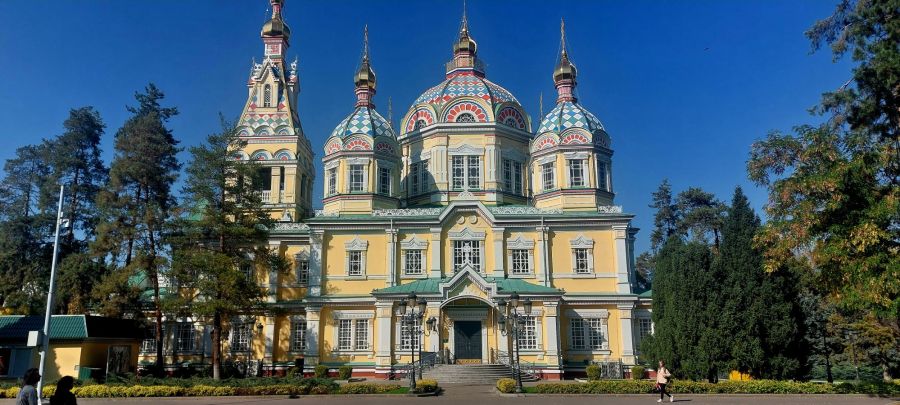
The rest of the day was joyous and free dedicated to the sights, sounds and sensations of Panfilov Park. We strolled leisurely through it, our heads breaking the fall of the golden leaves as they cascaded down in the gentle breeze. Sat before the Ascension Cathedral dumbfounded by this intricate wooden wonder, which is built without the use of a single nail, breathing in the roses that surrounded us, then entering it to be blinded with its byzantine lucre. Admired the mammoth Monument of Glory. Were amused by the horse carriages carting around tourists with loud Hindi music playing for the benefit of the Indian tourists who are so so welcome and cared for, in every establishment in Almaty. Charmed by locals who while walking through the park on their daily business, were observant and kind, and insisted on taking a photo for you, on spotting you taking a selfie. Surprised by the warm sunny weather.

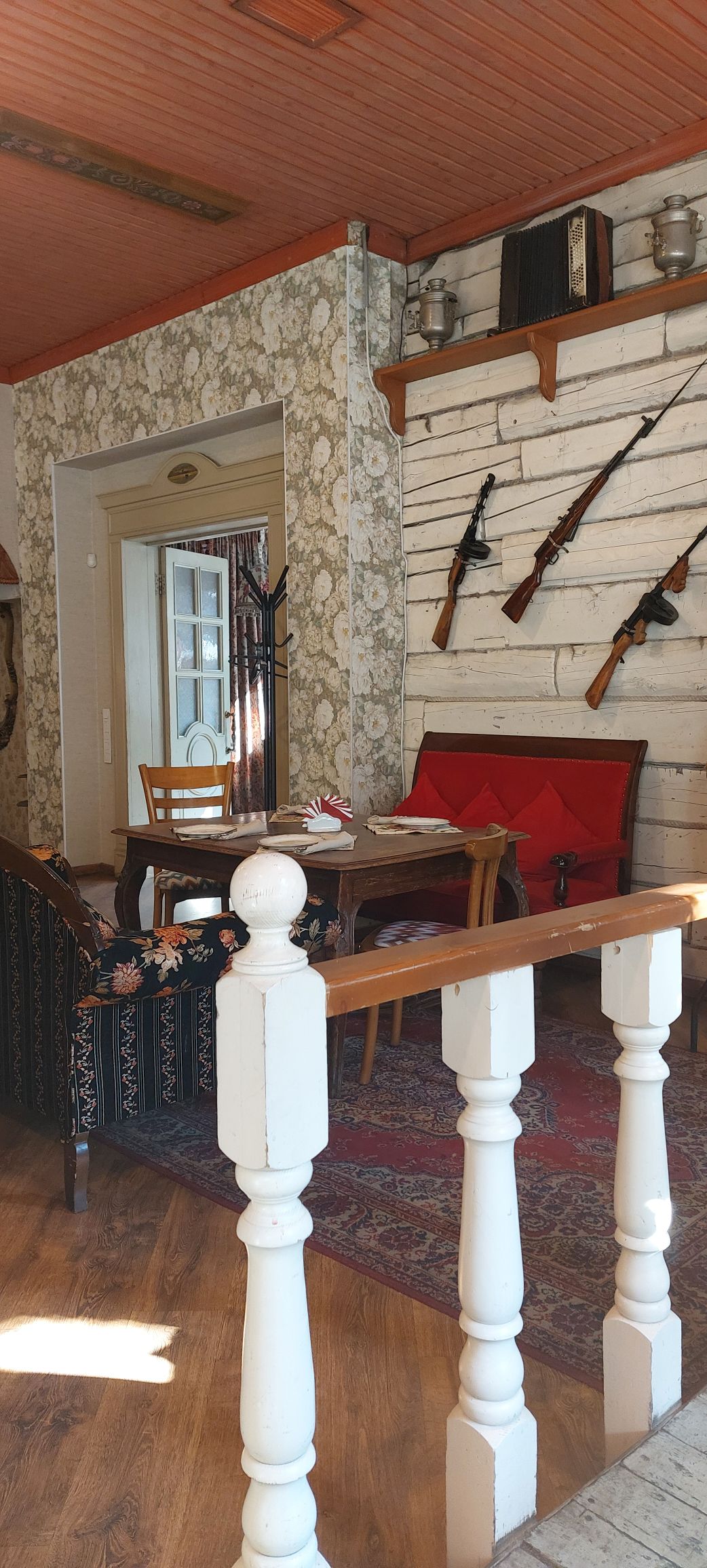
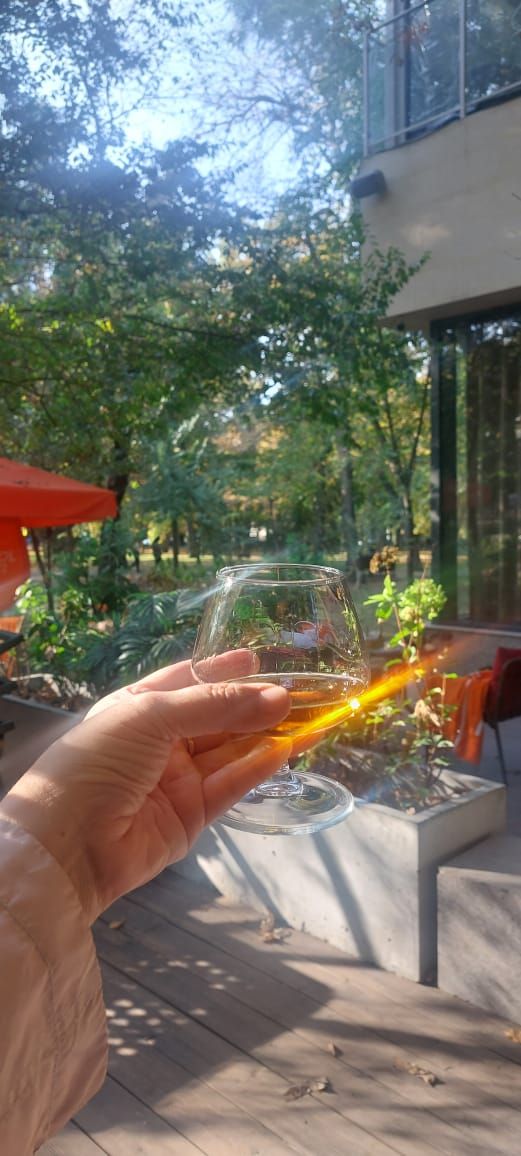
When hunger pangs struck, we walked to the opposite end of the park from our hotel and had huge bowls Borscht (Ukranian Soup) at the Russian Restaurant Marina Roshcha, with interesting curios on its walls, including AK47s.  This was followed by imbibing amber coloured, apricot Arak at Agosto Cofffee in the Park , it felt like we were sipping autumn. It was cold by now and the warm clothes that had been shed in the morning warmth now came handy to sit out in the strong breeze and witness the falling leaves.

We managed to find slippers for me, after a lovely interaction with the stall owner, all thanks to Google Translate. We had a not so interesting kebab dinner at a canteen type establishment and then an interesting chitchat with a couple of security guards at a supermarket that we ducked into to buy water.  

Water dumped at the Hotel, we went back into Panfilov Park to see the cathedral by night. We were awestruck. It felt like fairyland. In this backdrop there were youngsters playing sport, putting the space to good use, enjoying life, with us as spectators, enjoying the view, enjoying the game, enjoying us and enjoying freedom.

We walked the short distance to our hotel and went to bed early, in anticipation of the early start the next day for our adventure to the Big Almaty Lake.

Day 3 – Getting to Geiranger

On 2nd June, 2022 we set off from Trollstigen Resort at about 7.30 am, after having stripped the bed of the sheets cleaned the kitchen, swept and mopped the floors, as per the instructions given by the Resort.

If doing household chores early in the morning wasn’t enough of a drag, on top of the disappointment of not being able to drive the Trollstigen scenic route, which I had explained earlier was still closed, the weather forecast was of rain all day.

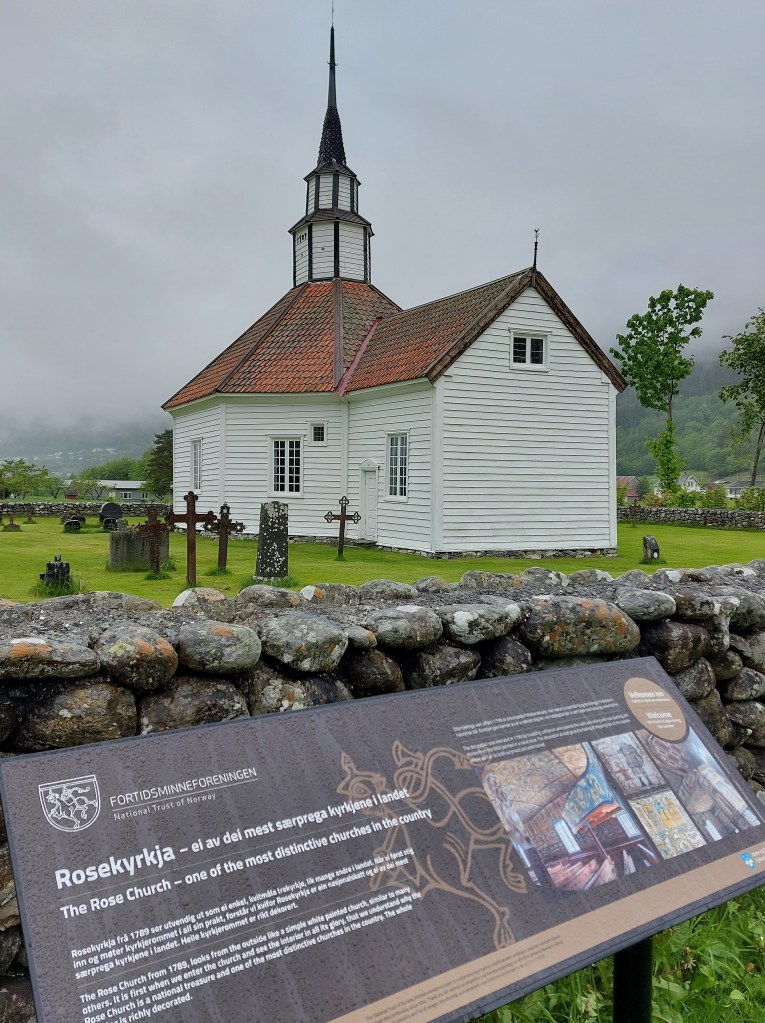
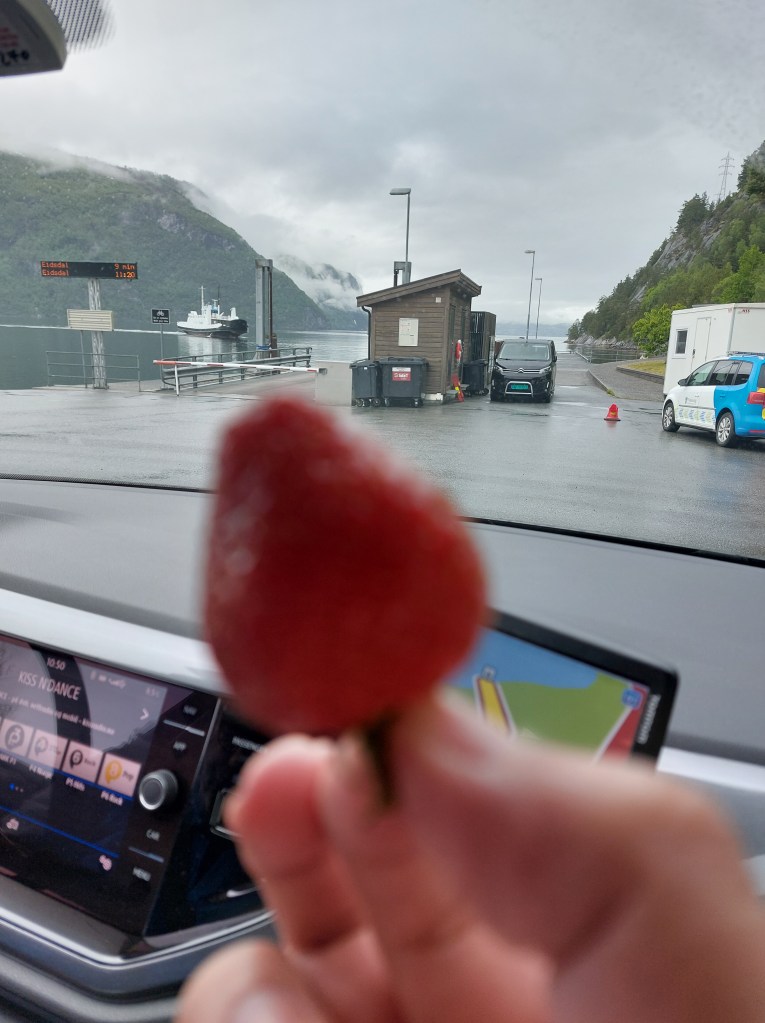
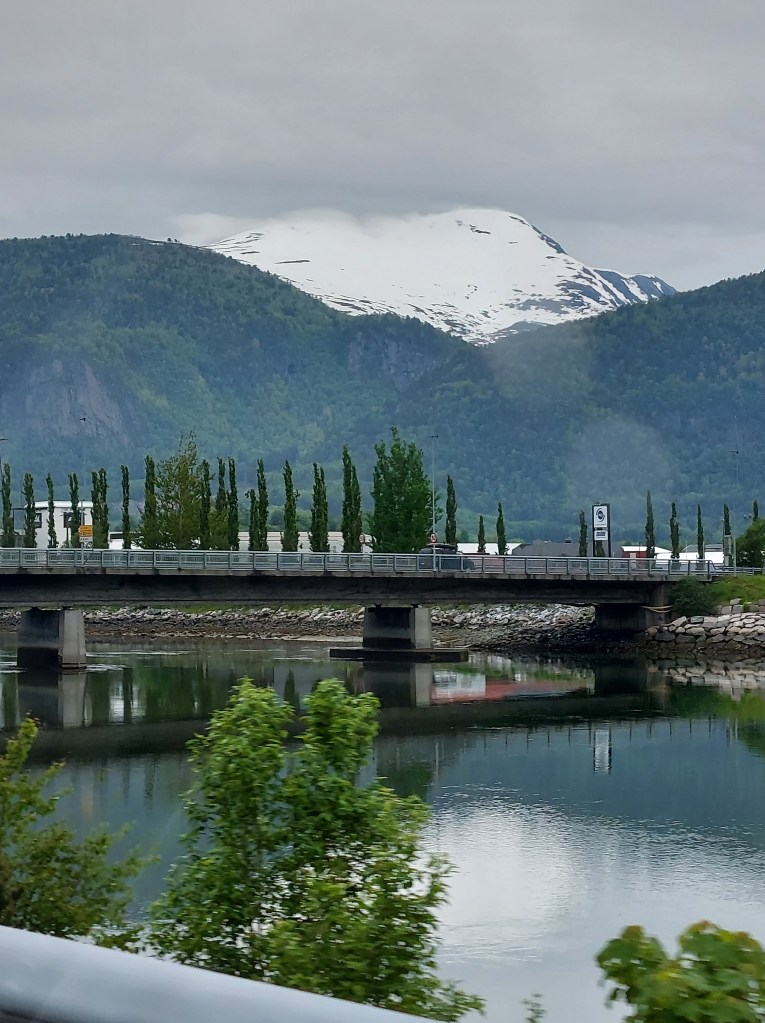
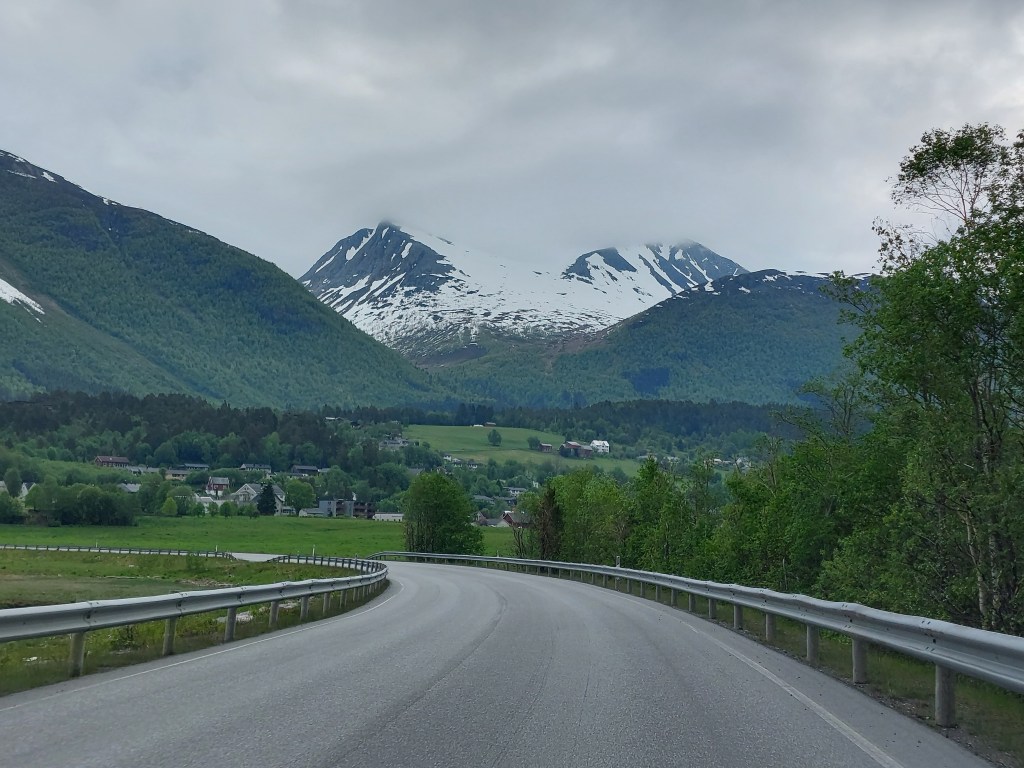
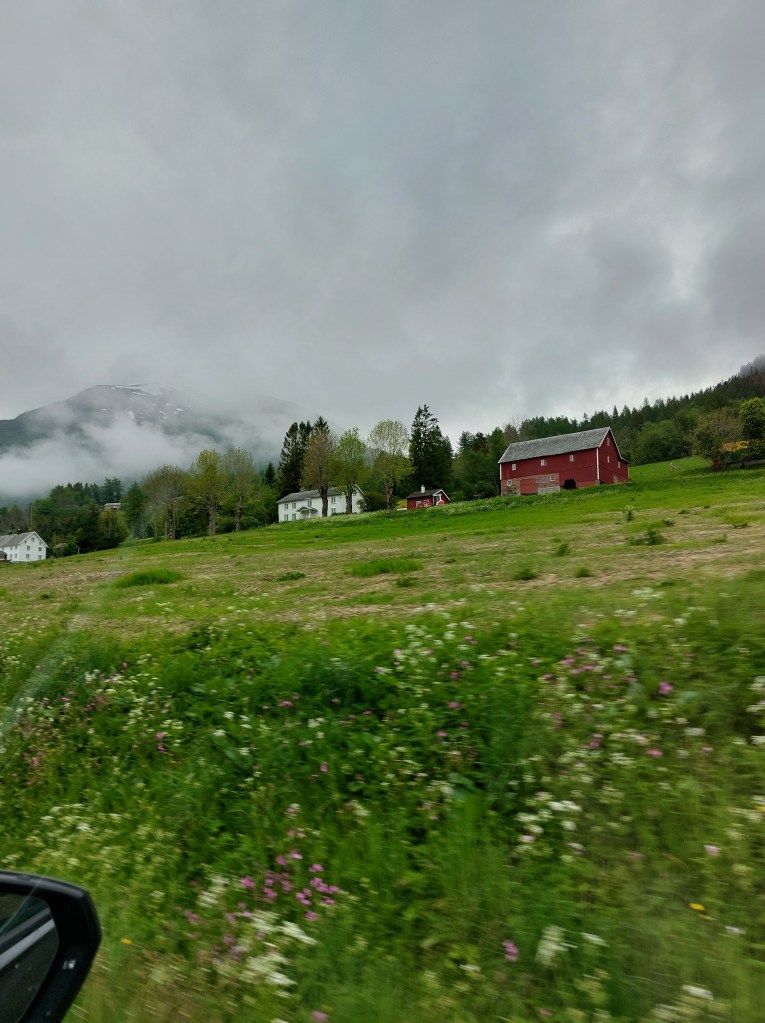
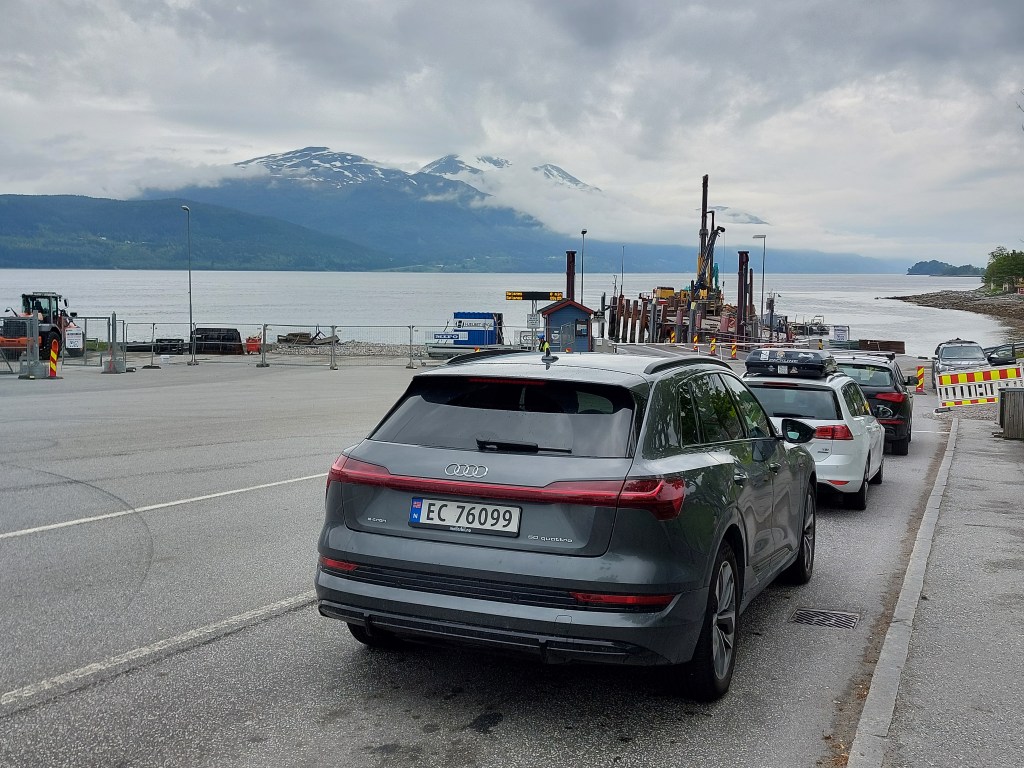
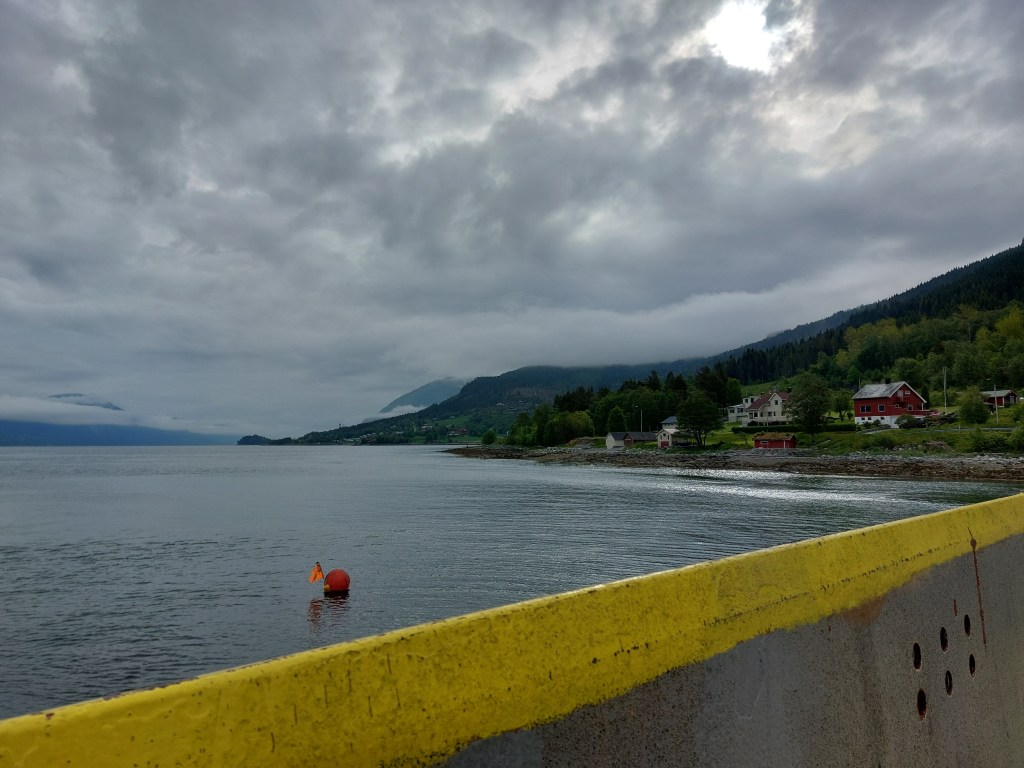
To start off with, we pretty much had similar weather to the day before (see Day 2 -Atlantic Road), it was raining and misty. We took route E136 till after Tresfjord Bridge, then turned left onto E39 and just short of Sjøholtonto, onto Route 650 , we continued on R650. At Stordal we stopped to visit the Rosekyrkja church, but it was closed, so we got to admire it only from the outside. We reached the Linge Ferry Pier on Route 63, to catch the ferry to Eidsdal, this is where Trollstigen scenic would have brought us, but from the east. We were the first in the queue for the next ferry, or as my partner jokingly said last for the previous ferry. While waiting for the ferry, we munched on those delicious Norwegian strawberries, we had bought the day before in Bud. We had a 10 minute wait and then were ushered on. The day had cleared up in the meanwhile, the sun was trying to make an appearance, the crossing took 10 minutes and at Eidsdal being the first one’s to exit we managed to drive into the parking lot of a supermarket than onto the road, so we stopped and bought provisions for the next couple of days, seeing that we had a self-catering accommodation.

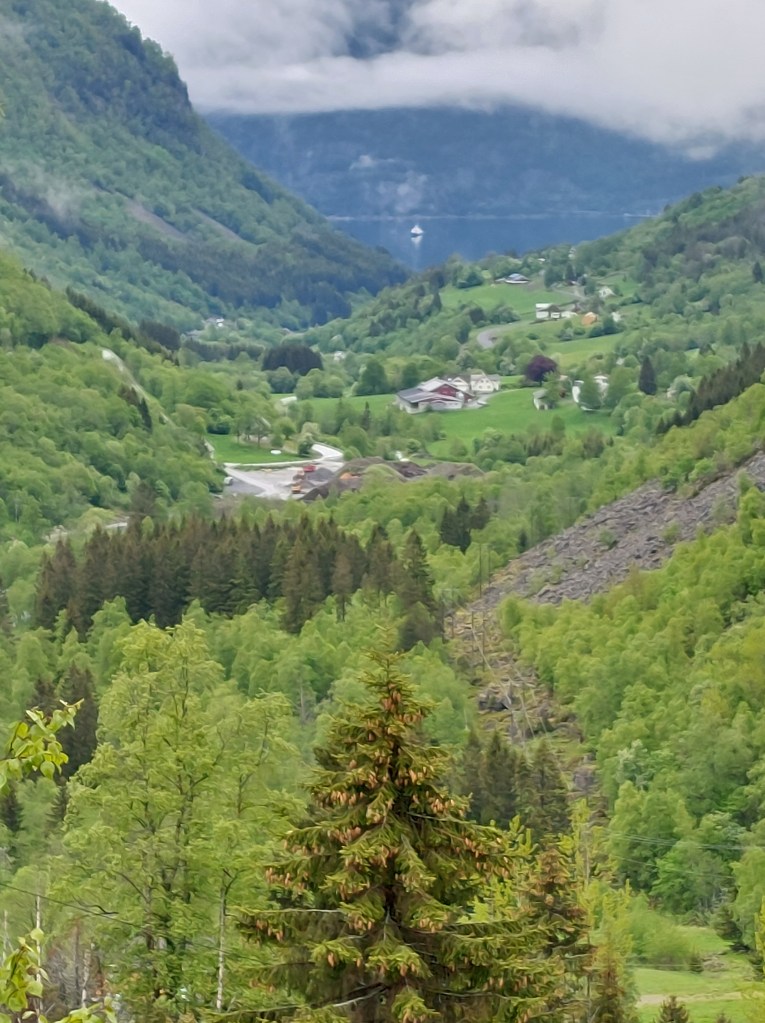
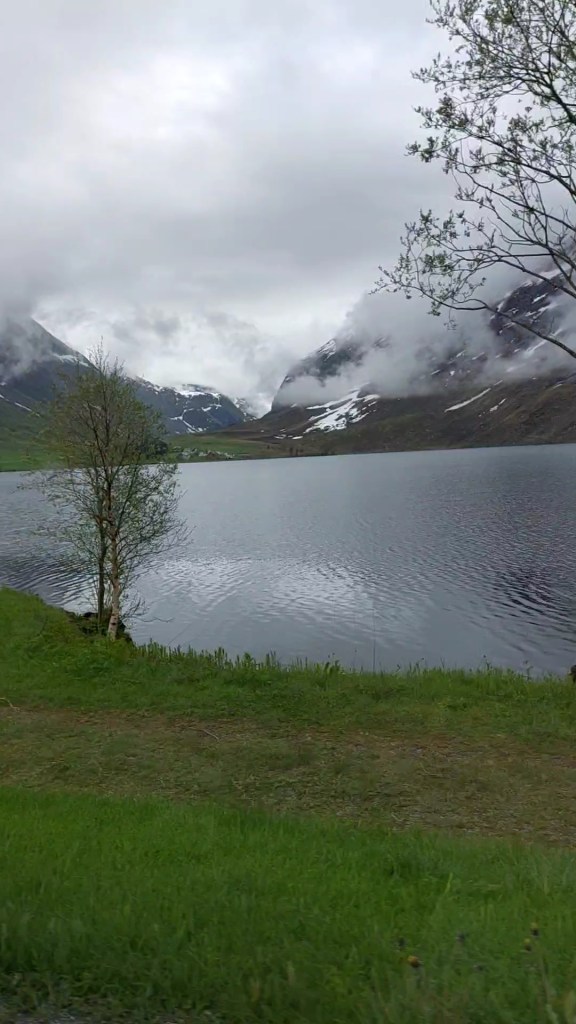
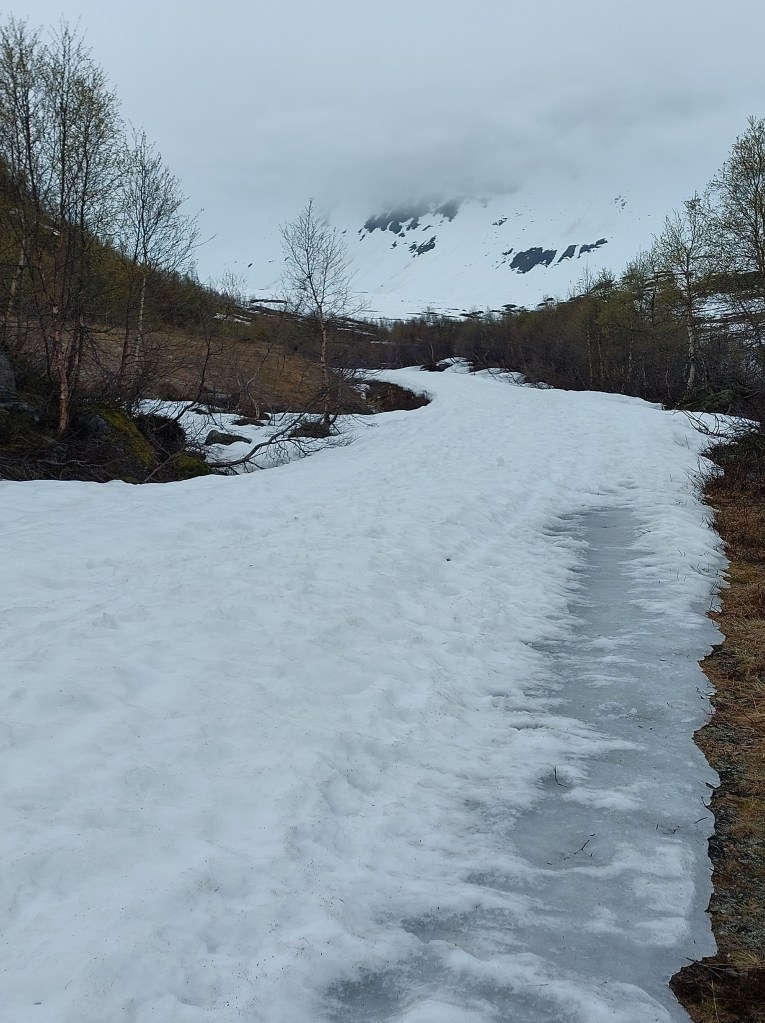
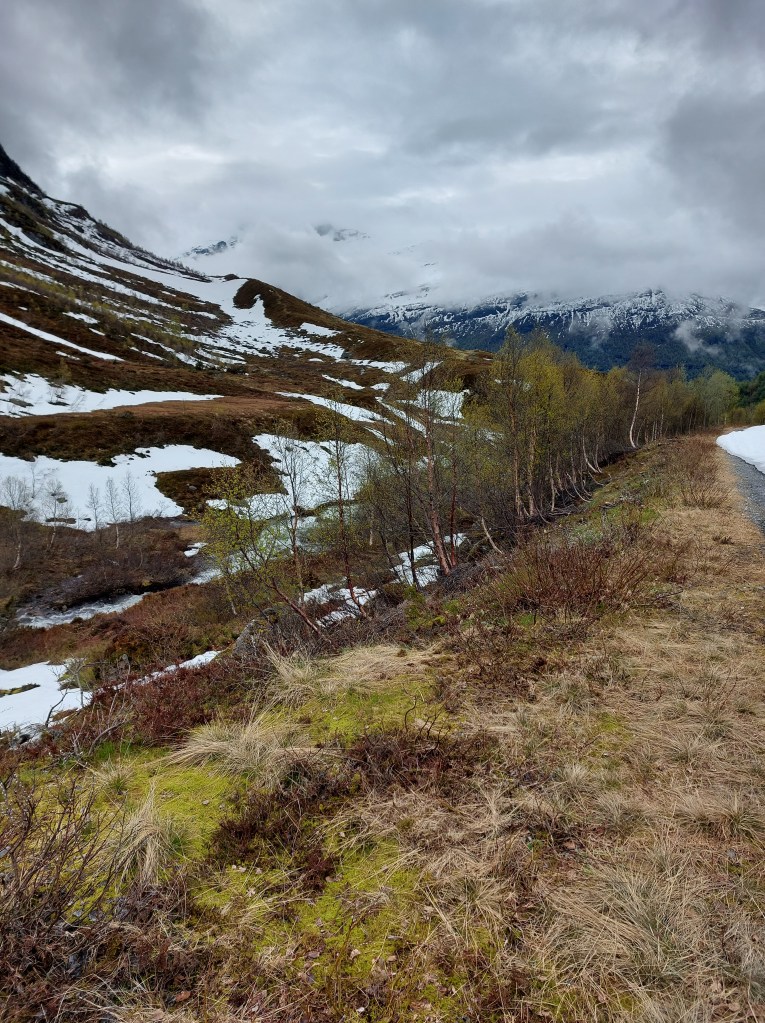
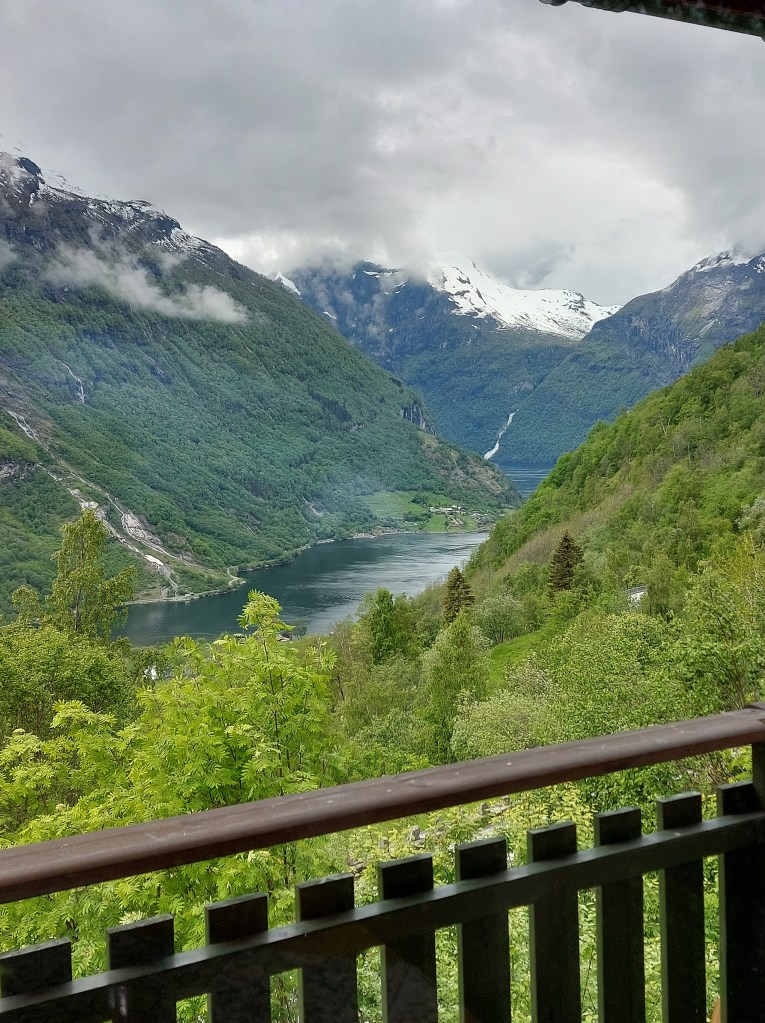
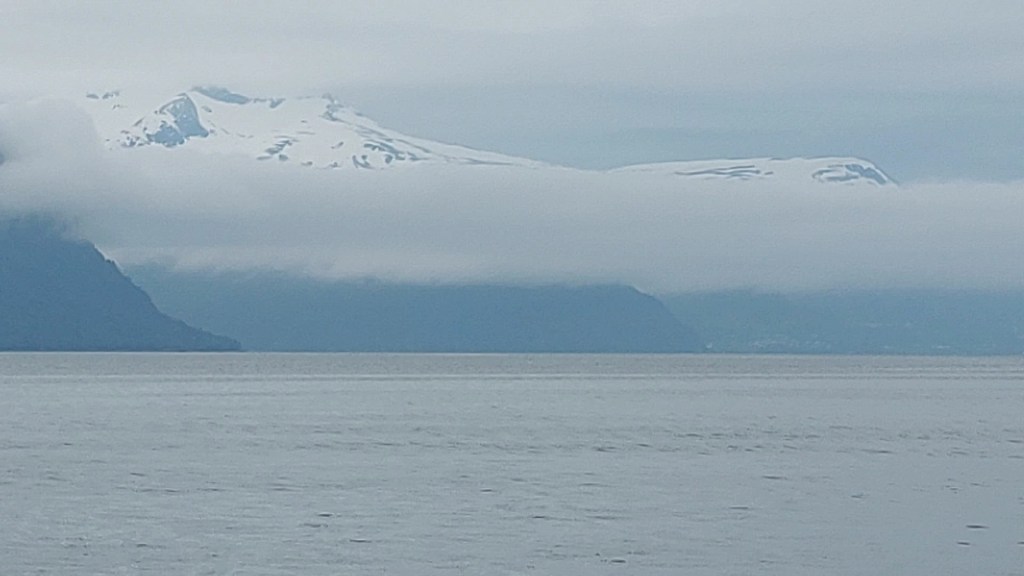
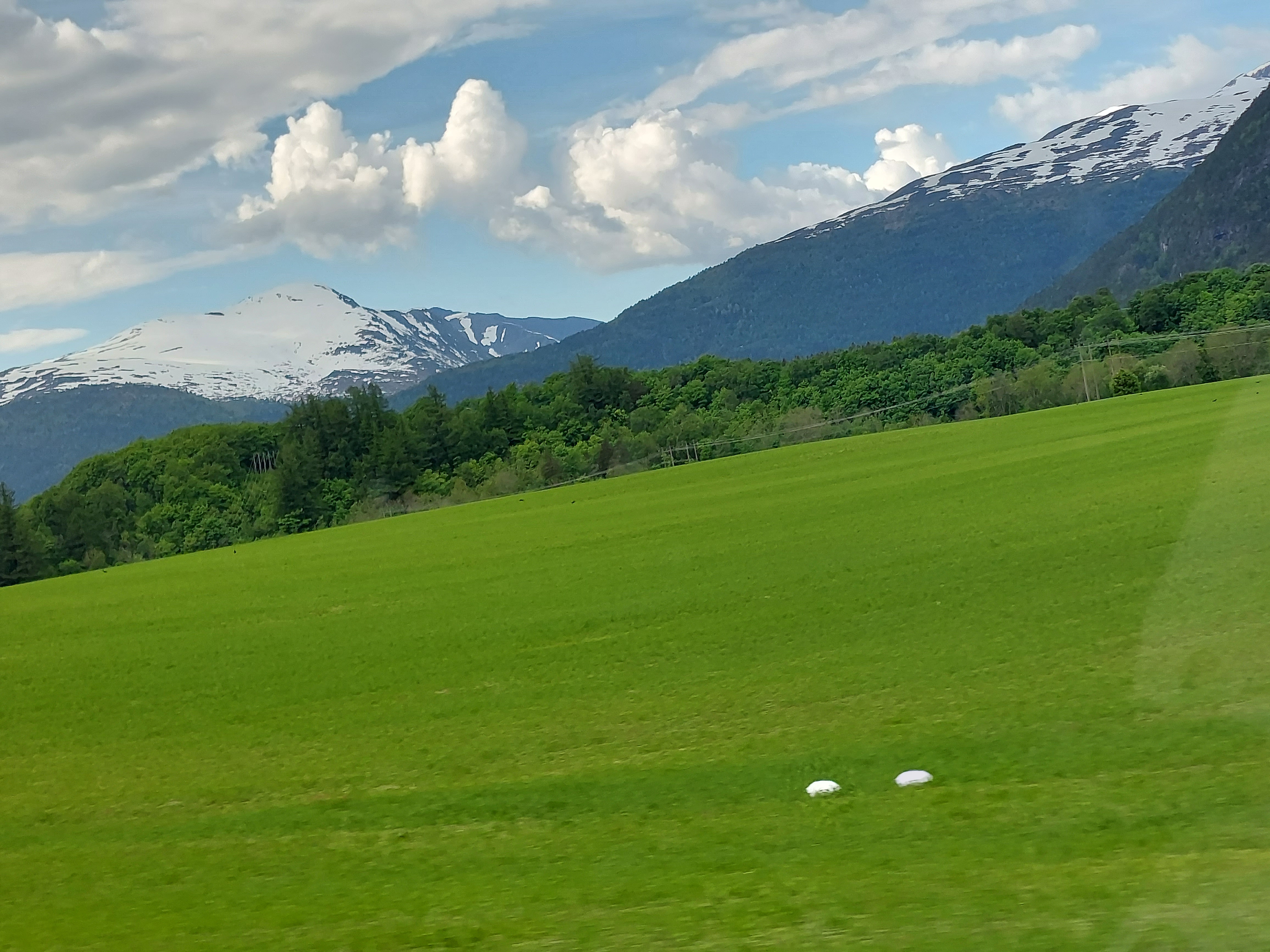
From here the road wound uphill and we stopped to get a glimpse of the view towards where we had crossed the Norddalsfjorden by ferry, it was stunning, Norddalsfjorden is branch off of Storfjorden, just as Geirangerfjord is. We then drove along lake Eidsvatnet and for the first time during this trip came within touching distance of snow. We got our first, and spectacular glimpse of Geirangerfjord from the Korsmyra rest area, which has a huge parking lot, toilets and picnic tables with fantastic views. We had a photo session and chatted with some other travellers. From Korsmyra there are several walking trails and since the day had cleared up, we decided to go for a walk, but we could not go far as the path was covered with snow and we were not wearing the right shoes.

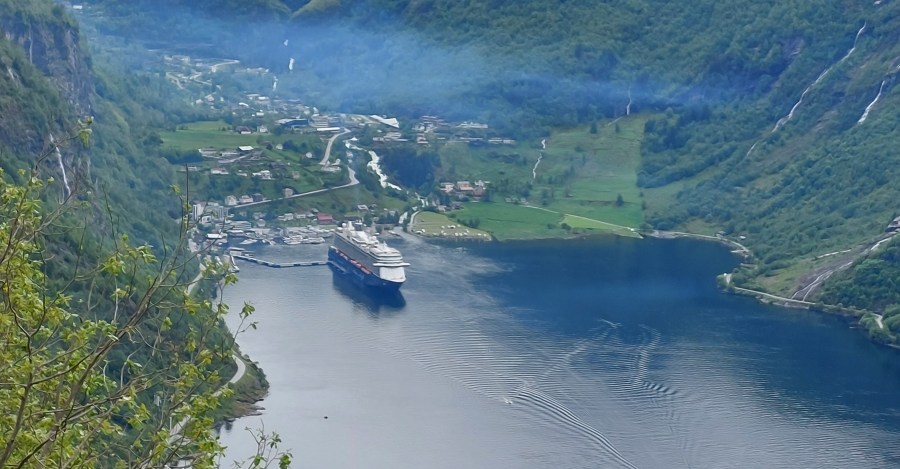
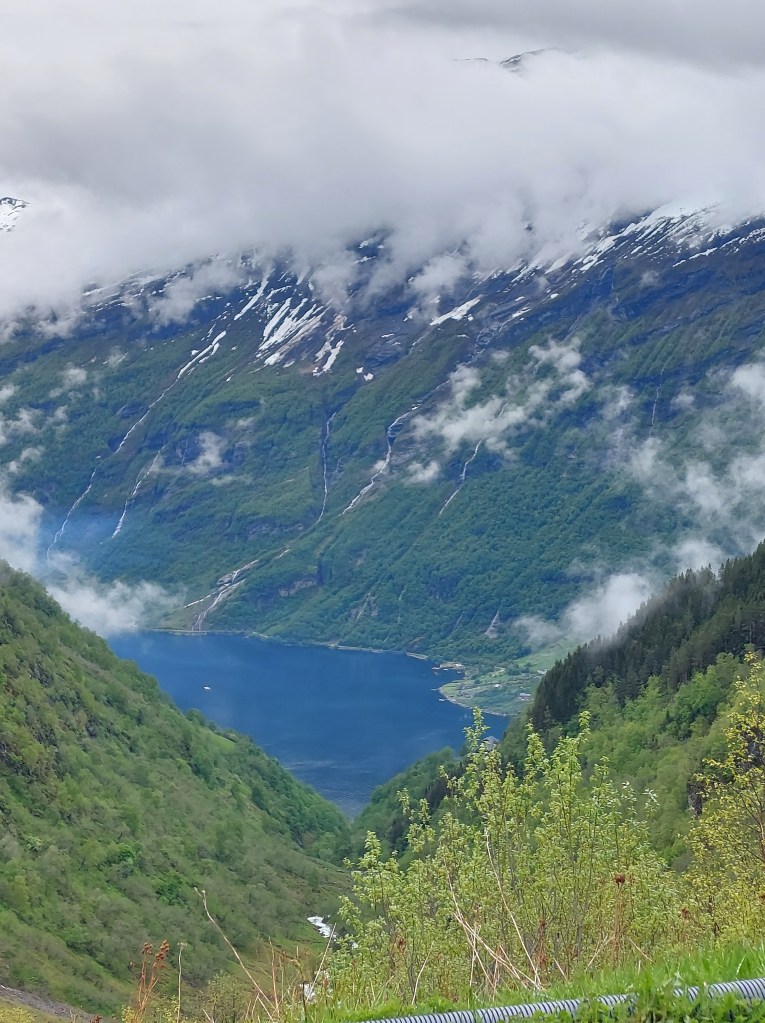
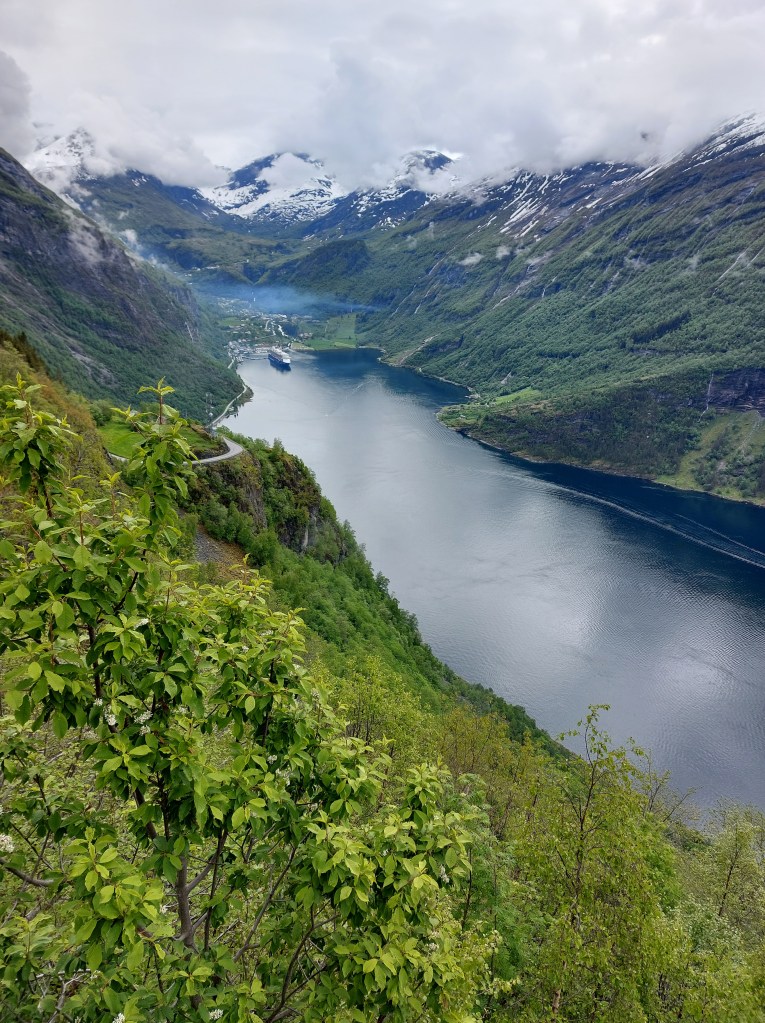
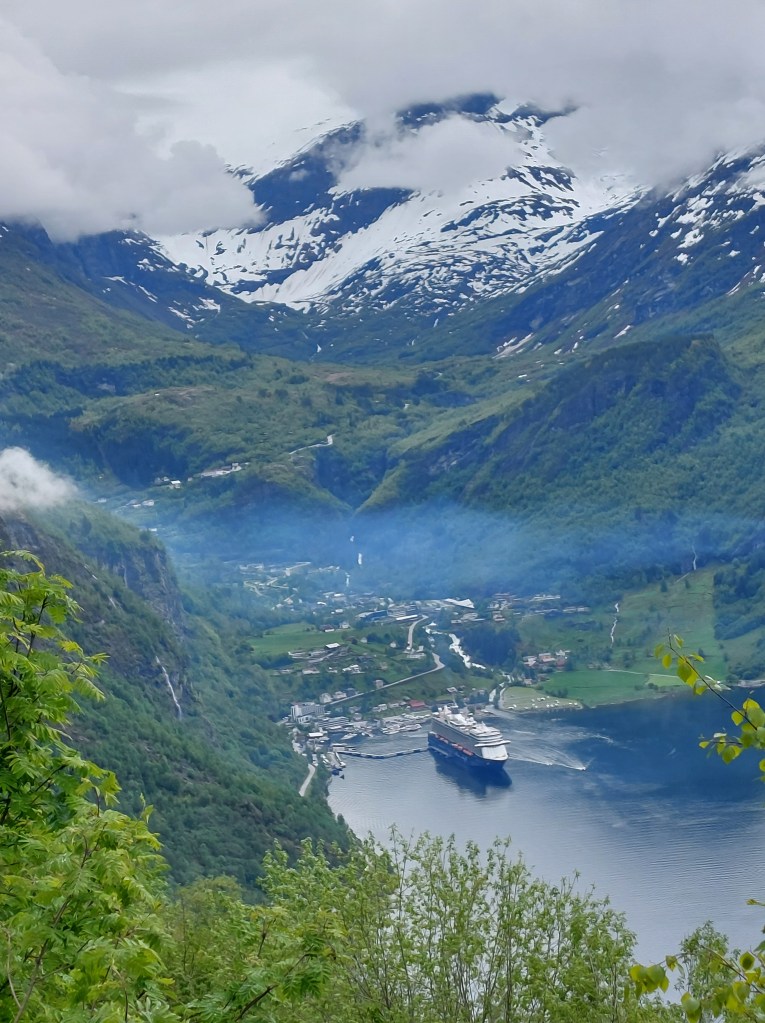
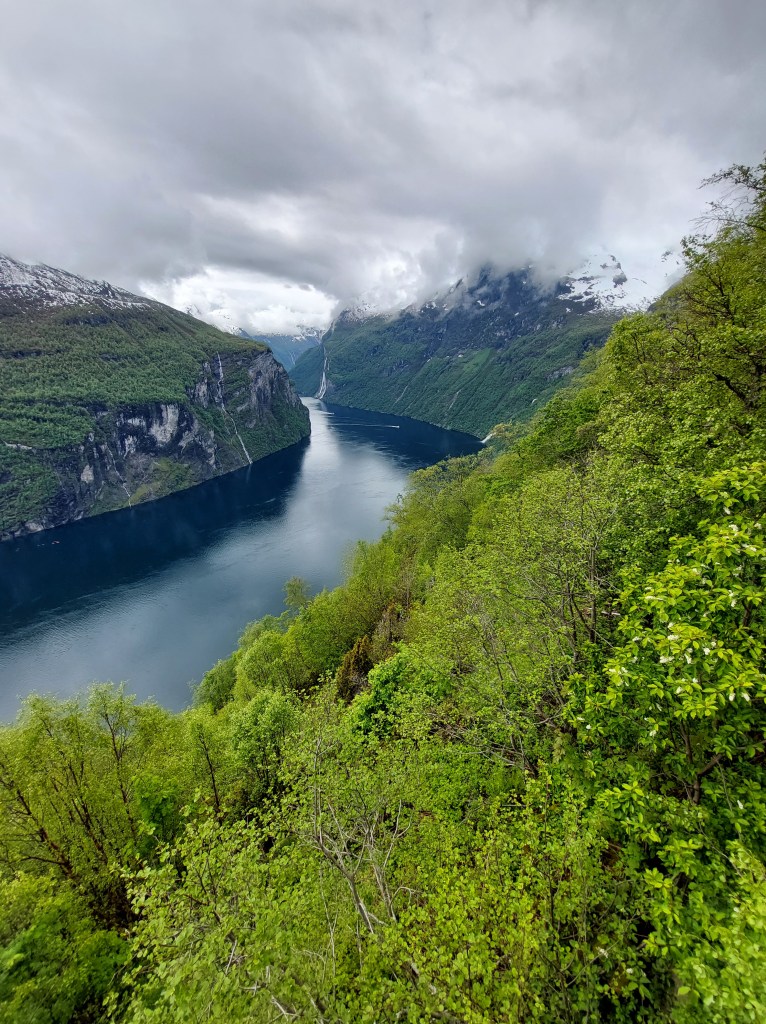
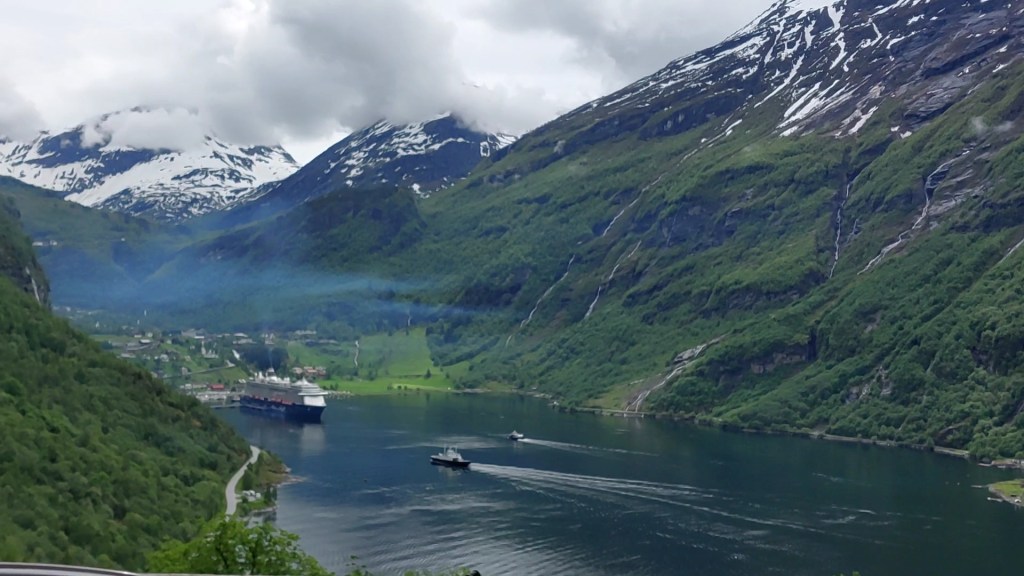
Next stop was the famous viewpoint of Ørnesvingen, an elevated platform overlooking Geiranger fiord from where you can see the Seven Sisters waterfall to the right and Geiranger town to the left. There was a cruise ship docked at Geiranger fiord so we were treated to the iconic view that is synonymous to Norway and on the cover of every travel brochure.

The water was deep blue, the hills were lush green and the Seven Sisters were like strands of Lorelei’s hair. From here the road wound downhill and the view was spellbinding.

Geiranger town itself was like a bit of a contradiction, with not very attractive buildings interspersed with picturesque waterfalls and teeming with people, I presume the cruise ship crowd, one had to drive at snail’s pace, as there were no footpaths and the road had been taken over by them.

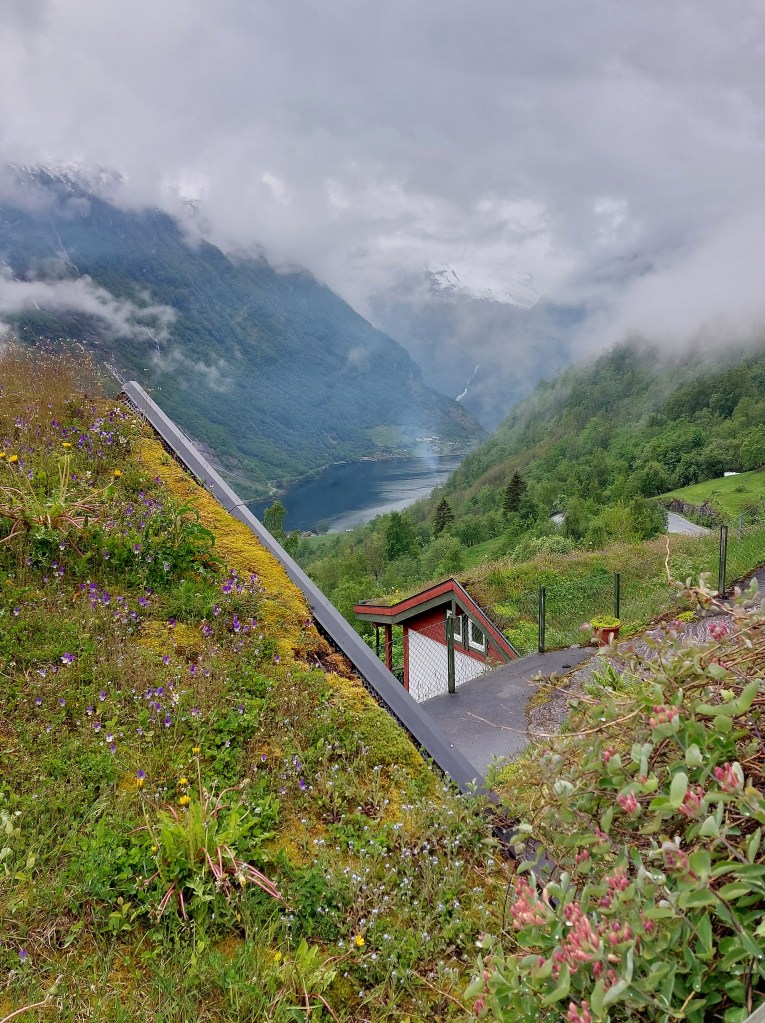
We reached Hole Hytter up on the hill by about 1 pm, our accommodation for the next two days was a cabin with a fantastic view over the waterfalls, Geiranger town and the fiord. The sun was still out so we took advantage of our picnic table and had lunch al fresco surrounded by the beautiful hills and looking down on the fiord.

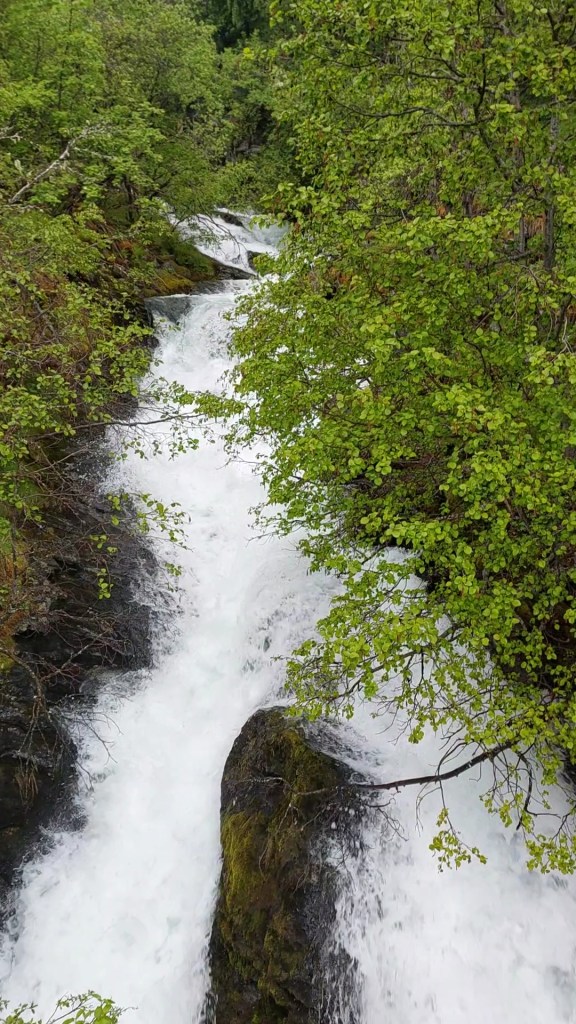
Just as we finished lunch, it started to rain so we sat on our covered balcony, my partner was exhausted and went for a nap, while I went off for a walk in the rain, the cruise ship crowds had dissipated and I had the path all to myself and could stop and admire the Hole waterfall and then the run off from what I think was the Grinddalsfossen waterfall. The wild flowers were lovely, there were sheep on the hills and lots of birds.

It was evening by the time I got back and we had a meal of grilled salmon and some stew and went to bed early on our bunk beds, to rest and prepare ourselves for the next day, without the least inkling of the dramatic sights that we were going to behold the next day. Day 4 – Snowballing on Route 63.

Day 2 – Atlantic Road

Day 2 of the road trip turned out to be a bit of a damp squib, in that, one it was literally damp and two it was decidedly below expectations.

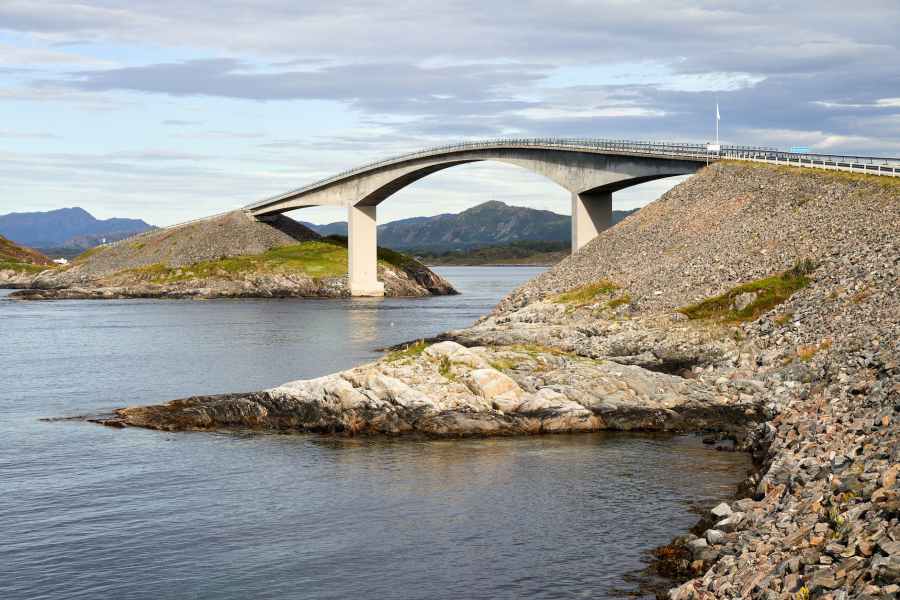
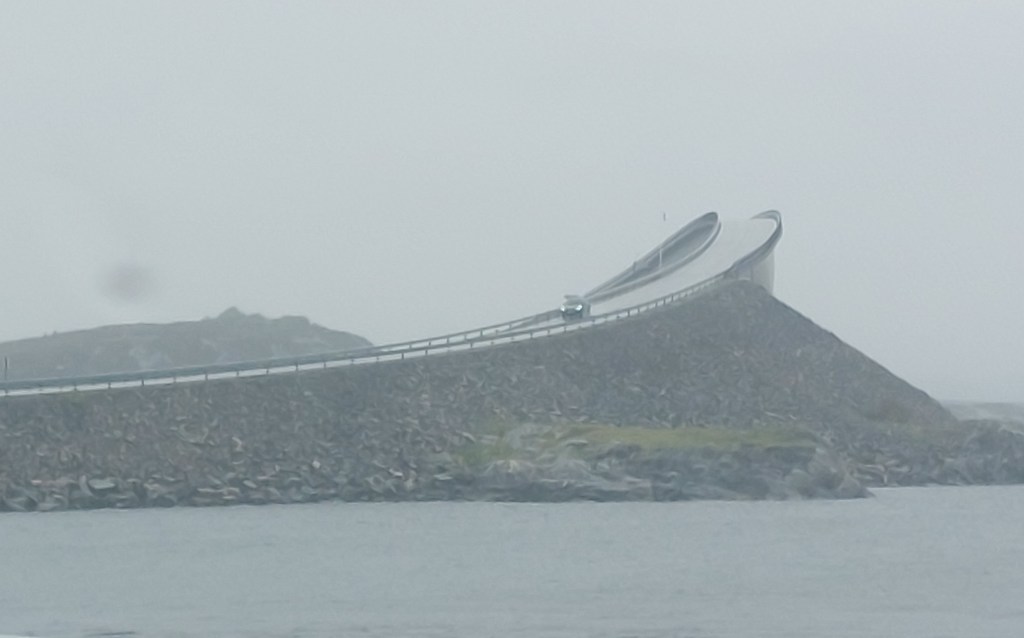
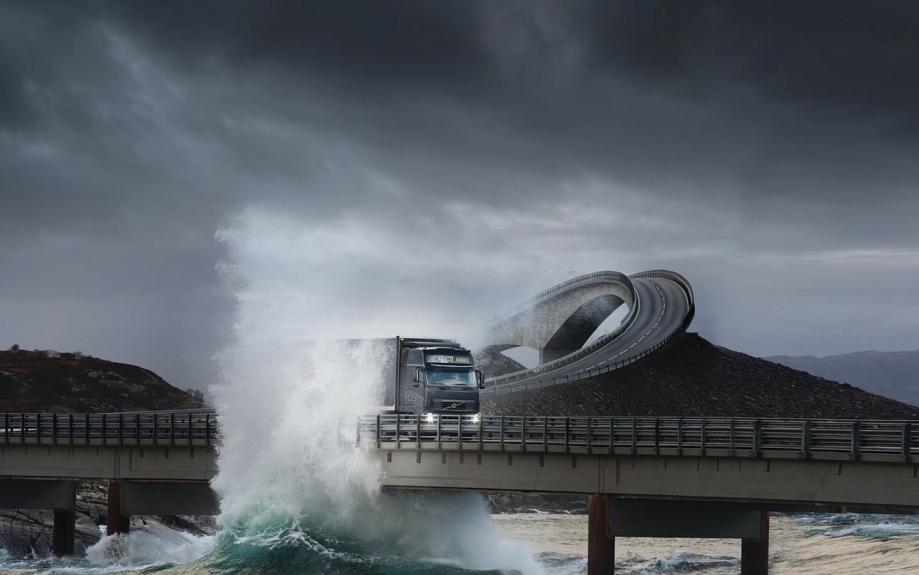
Social media posts have made common, the exciting sight of the Atlantic Road, specifically Storseisundet Bridge with waves from the Atlantic Ocean lashing across it, giving the impression that the cars on the bridge are in danger of being swept away. The bridge is an undulating, cantilevered bridge which looks like a roller coaster track. Every time I saw one of those posts, the Atlantic Road beckoned me, and today was its day of reckoning.

We drove Route 64 through the outskirts of Åndalsnes to Afarnes to make the first ferry crossing of this trip to Molde. This ferry being a part of Route 64 is charged as toll. The Norwegian Public Roads Administration (NPRA) calculates the road toll to be charged when you pass an automated toll station which registers your vehicle’s registration number with a camera and/or reads your toll tag, the same applies for these road ferries. It is to be noted that all ferries are not road ferries and the ones that are not, for eg. the Geiranger Ferry, which I will write about in a couple of days, can be booked online and have to be paid for to the ferry company.

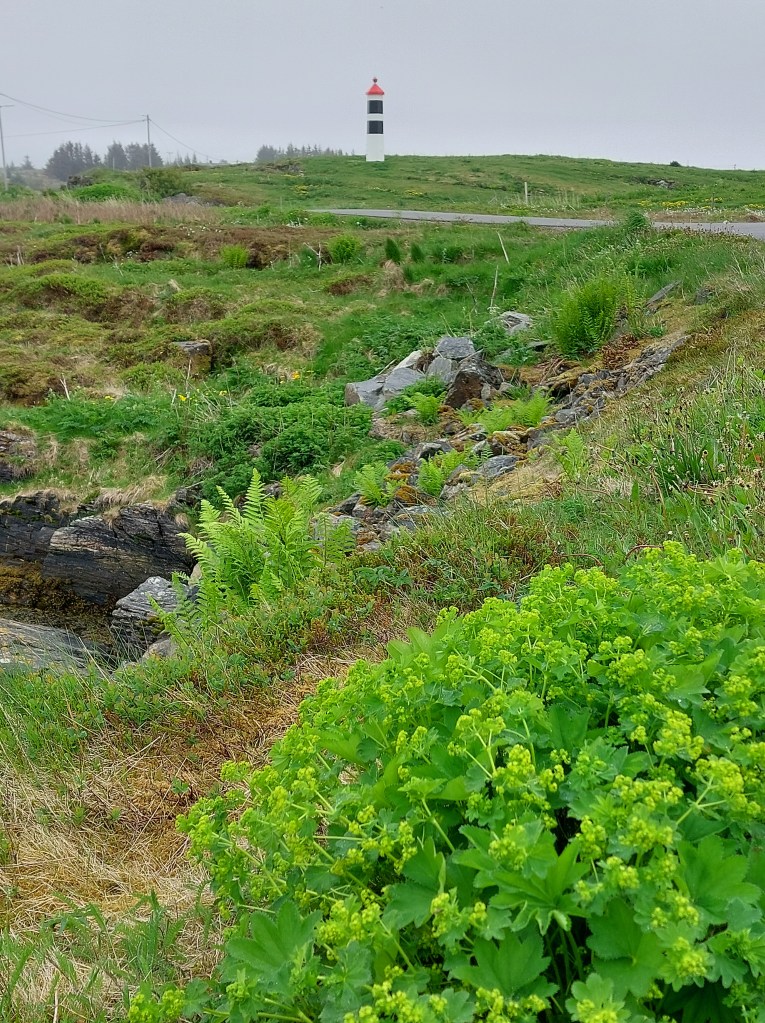
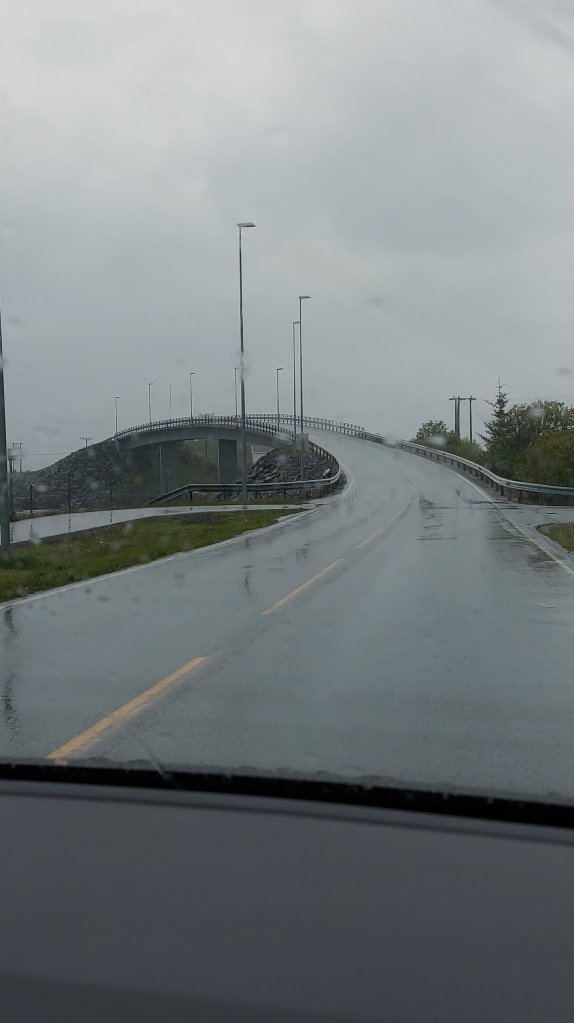
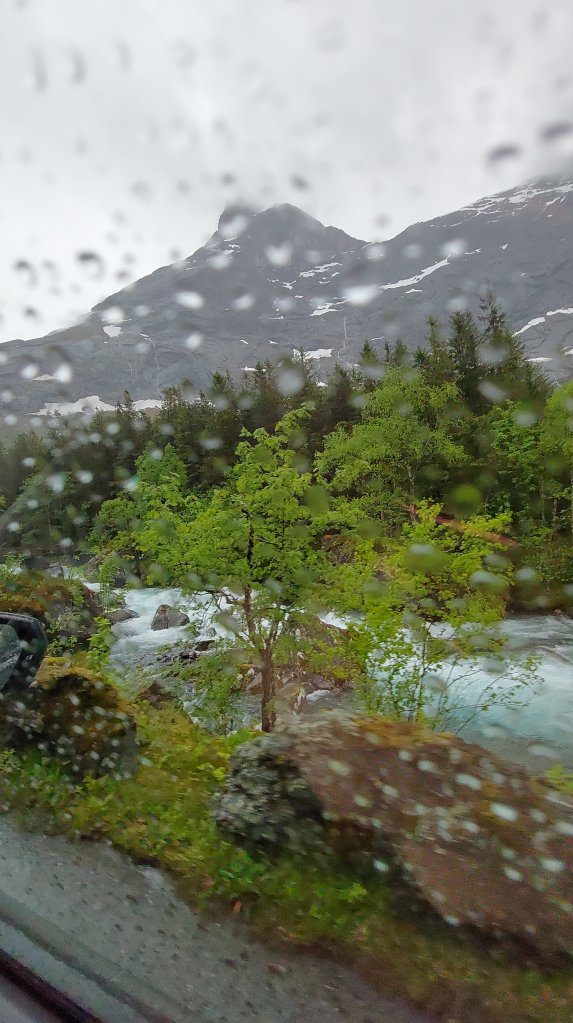
The clouds lay low and the scenery was rain drenched, which gave it an attractive dimension as seen in the photos. All photos on my blog are taken with a mobile phone camera and have no filters.

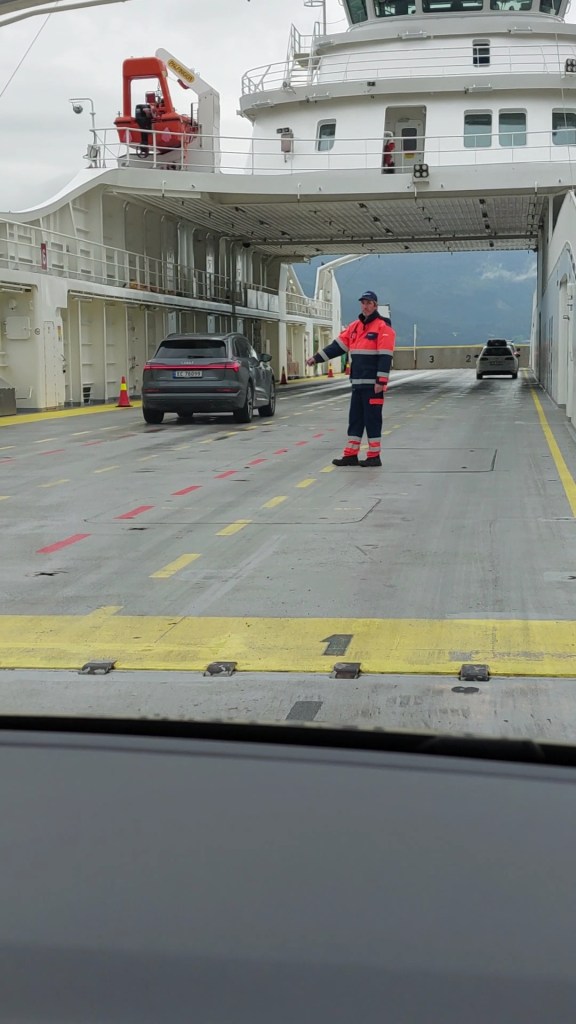
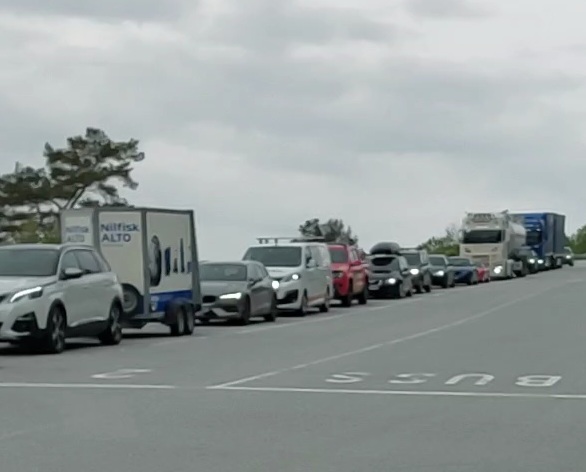
We were nervous about getting things right while getting onto the ferry, but one does not need to be, you simply queue in the lanes which are numbered, so in case it is your first time boarding a ferry and there is not single car before you, just drive to the front of the lane numbered ‘1’. If you reach the queue of cars and your car is going to spill onto the road just head to the top of lane ‘2’ and wait patiently, the staff present at the dock will indicate when and where you have to drive onto the ferry.The ferry boarded, my partner was reluctant to leave the car, not knowing the etiquette, since this particular crossing takes 15 minutes and I wanted to see the view, I jumped out and asked one of the staff, if I could go to the upper deck, there is no view from the lower deck unless you are seven feet tall. He was so kind, he actually took me up in the lift, there was a café and toilets and a deck. The toilets on the ferry were spotlessly clean so I went back to the car and cajoled my partner out of the car on this pretext. We were lucky, it had stopped raining though the clouds were still hanging low. The view from the ferry on bright and clear days must be spectacular but we felt so spectacular ourselves that we had no complaints. While exiting the ferry, you have to be careful to change lanes and get into the lane on the far-right as the lanes for getting onto the ferry are to the left.

From Molde we drove on to Bud, the town that we had decided to visit. I had read that it was very pretty and it being smaller than Andalsnes and Molde would also be easier to enter and park in. We avoid big towns for a couple of reasons, we do not enjoy densely populated areas, preferring isolated spots with natural beauty and do not want the headache of navigating town traffic and finding parking and then wasting time in figuring out how the parking has to be paid for, only to subsequently stress over whether we had done everything correctly. The other attraction of Bud which is pronounced bude was our affection for its namesake town in Devon, UK – Bude which is also on the sea and which remains in the limelight of our memories.

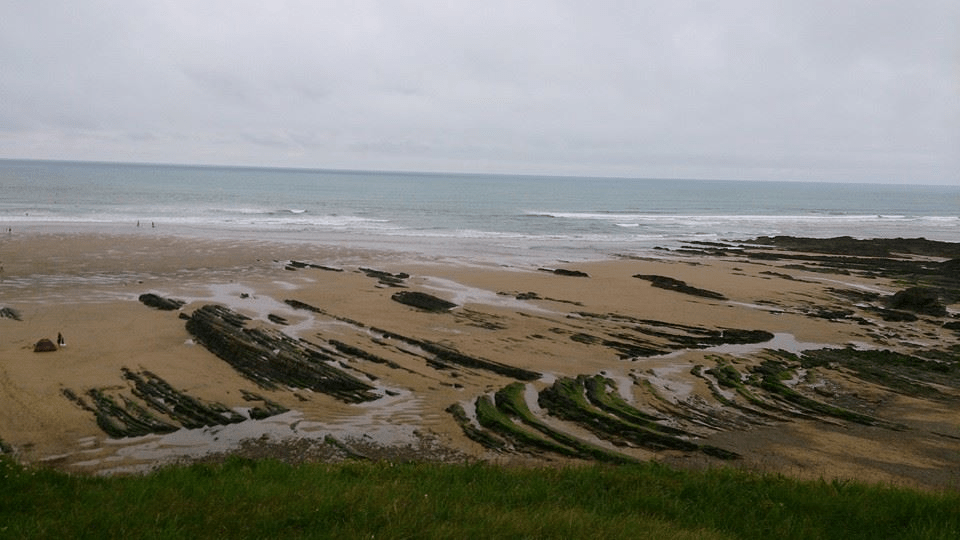
Bude, Devon, England

The Germans who occupied parts of Norway during WW2 built Ergan Fortress here expecting an invasion by the Allied Forces. The invasion never happened. However, there are many bunkers, gunneries, and position establishments still maintained here. The Ergan Coastal Fort is now a part of the Bud Coastal Museum, which is a war memorial museum. Ergan also has exceptional views over the fishing village of Bud and the waters of Hustadvika.

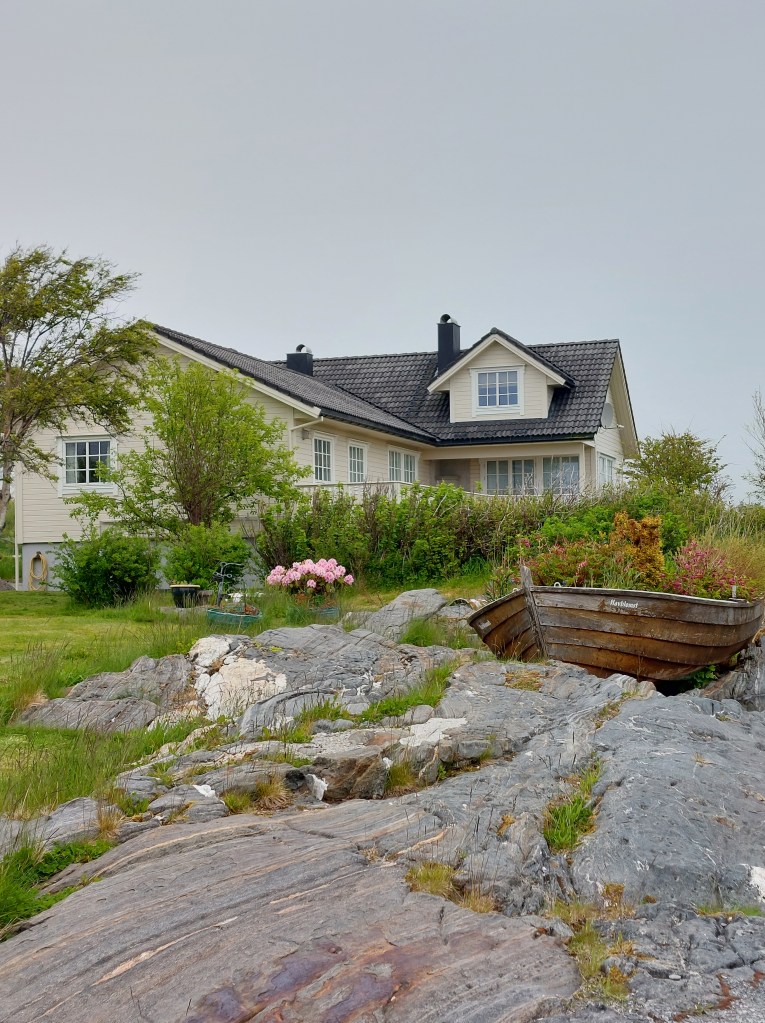
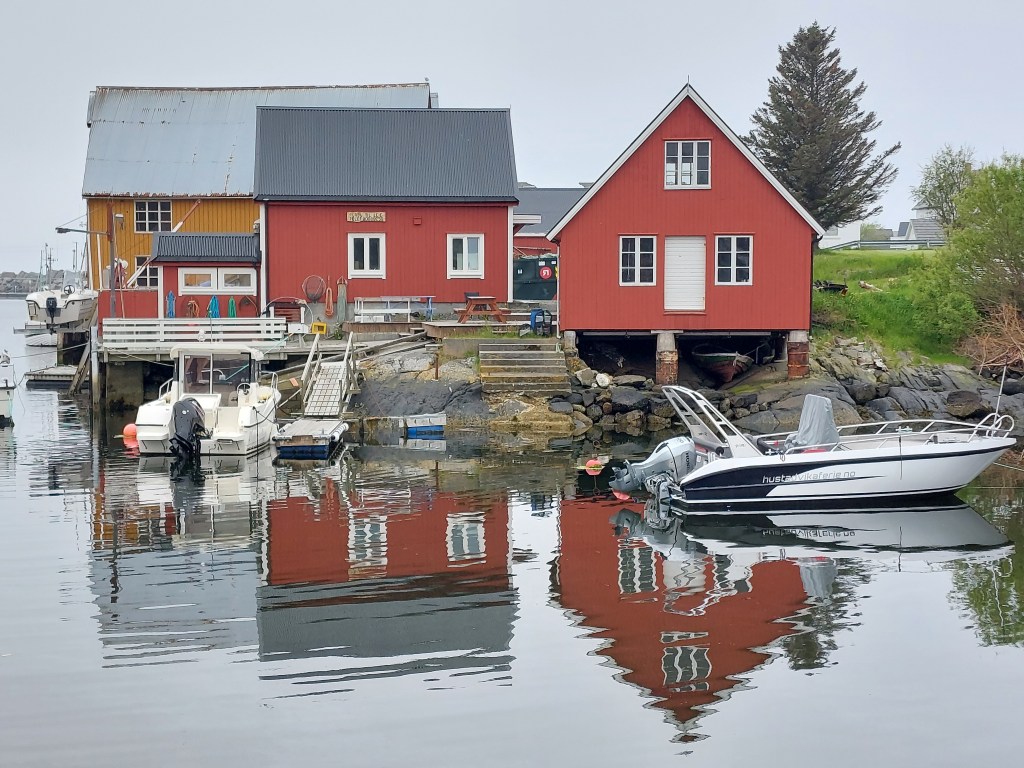
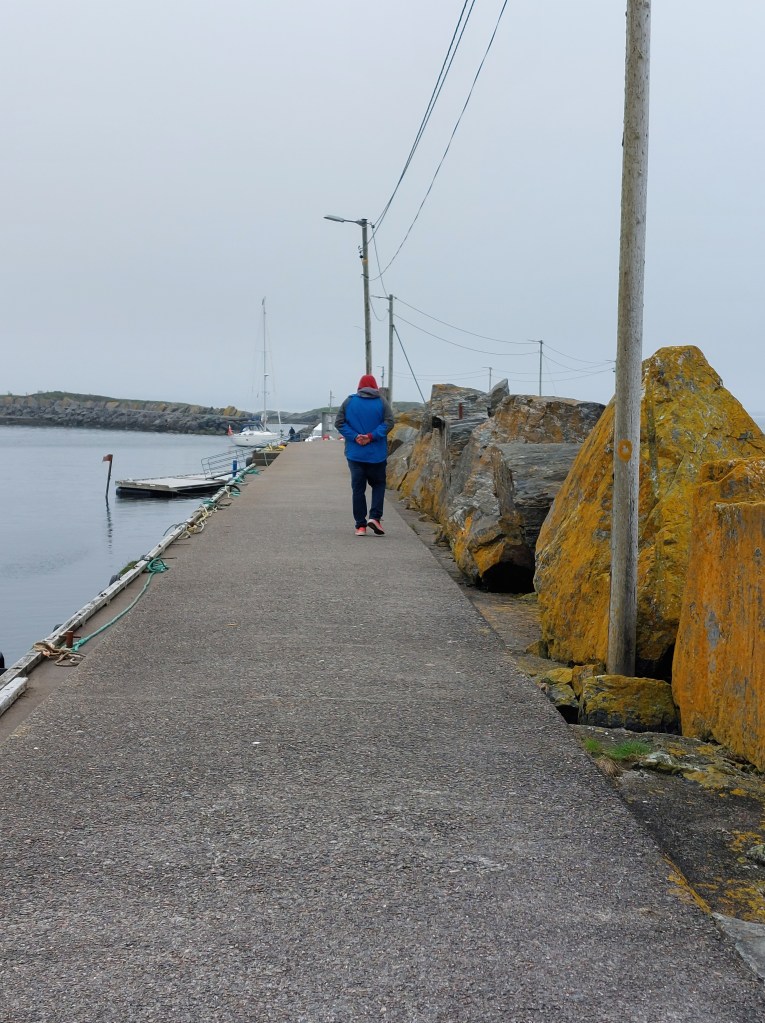
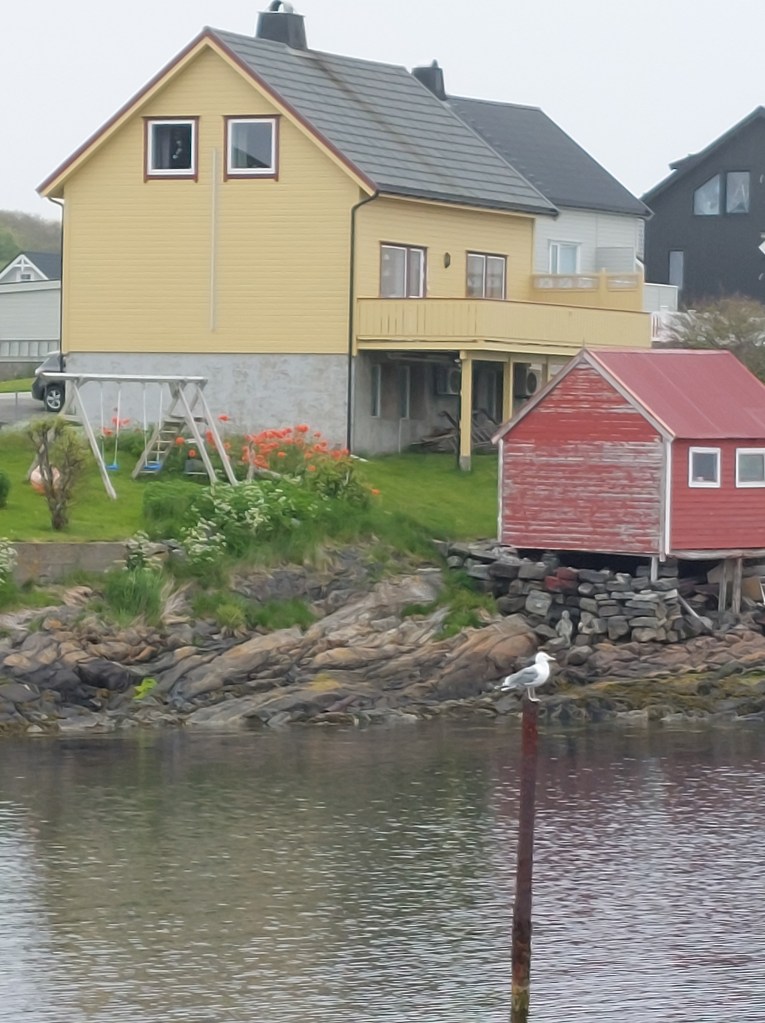
In Bude we parked in what we realised later was the local school parking and wandered around the town, it was not even 10am, the town was quiet, just a couple of girlfriends jogging and chatting and a smattering of tourists like us getting the measure of the place. We found our way to the water’s edge and walked along the pier. Seagulls were about, the houses were very pretty, brightly coloured with gardens full of flowers. It started raining again and as we could not find a place to catch a coffee or a bite, and accessing the bunkers in the rain was not possible, we made our way to the supermarket and bought ourselves some fruit and headed to our car.

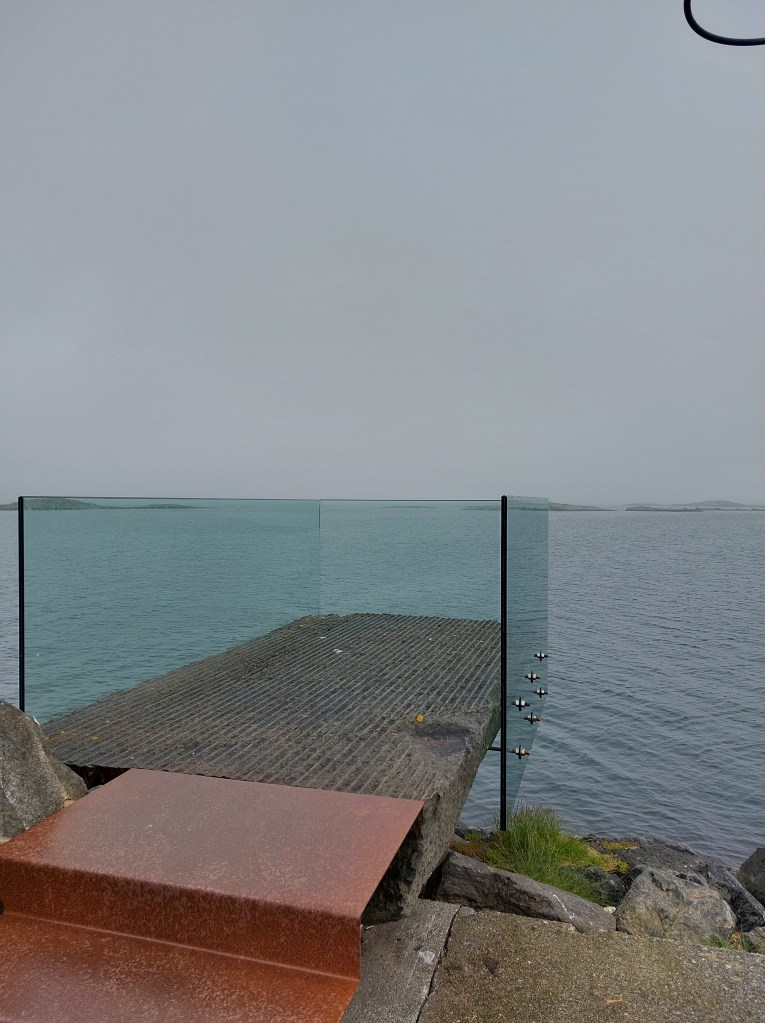
While driving from Bud in the direction of the Storseisundet Bridge we made a two-kilometre detour to see the Askevågen Viewpoint, which has a platform with glass walls, located at the end of the breakwater, that provides a 360-degree view of the ocean, the archipelago and the mountainous shore. This stop was both scenic and instructive as the information board provided in interesting detail the origin of the name Askevågen – literally Ash Bay.  It seems Kelp was gathered and laid out on bare rocks to dry, and later burnt in stone kilns that were built along the beach. Ashes from the burning of kelp were an important ingredient in the production of soda, which was used in the manufacture of glass and other things. The demand for kelp was great, and kelp burning thus became an important livelihood for many coastal families. Since animal feed was a scarce resource, seaweed and kelp were used as food for the livestock. Kelp could also be used to improve the soil in the fields. Kelp burning gradually became such an extensive activity that many people believed it was detrimental to fishing. Thus in 1804 kelp burning was made illegal. In the 1870s there was growing demand, and burning was resumed. Now the ashes were used to tract iodine, which was important in medicine. The iodine content in kelp is highest at northern latitudes and it was therefore more valuable than kelp from Southern Europe: Kelp burning came to an end in 1930 due to the discovery of simpler and cheaper methods to produce iodine. Even today, sea kelp is an important product because of its high level of nutrients.

The day continued to be dull and drizzly we approached the famous Storseisundet Bridge in Averøy Municipality. Waves did not lap across it, we were in no danger of being swept away and though it looked like a roller coaster, it did not feel like one. All in all, it was more than a bit of an anti-climax.  Looked interesting, but didn’t live up to my expectations in its navigation. I guess all the photos that I had seen of the Atlantic Road had been either taken aerially and / or enhanched, what I saw from the gound just did not match up.

Unphased, we stopped at the Eldhuset – Atlanterhavsveien Kafe next to the bridge and had an early lunch of some hearty Thai soup, defrosted and served to us by a friendly Polish lady. We met lots of Polish people in Norway, which seemed providential since we were headed to Poland after the Norway road trip. After lunch we drove along the Atlantic Road till Karvag and the weather just kept getting worse, with very little visible through the rain drenched windows of the car and the fog so we decided to abandon our plan to drive to Averøy and then Kristiansund and headed back to Trollstigen Resort.

Jet lag caught up with us and just as we reached Elde we were both finding it hard to keep our eyes open, so just as we have done on earlier road trips, to avoid the possibility of a sleep related driving incident, we stopped in lay-by along Route 64 and took our forty winks, refreshed from our nap we continued to our resort.

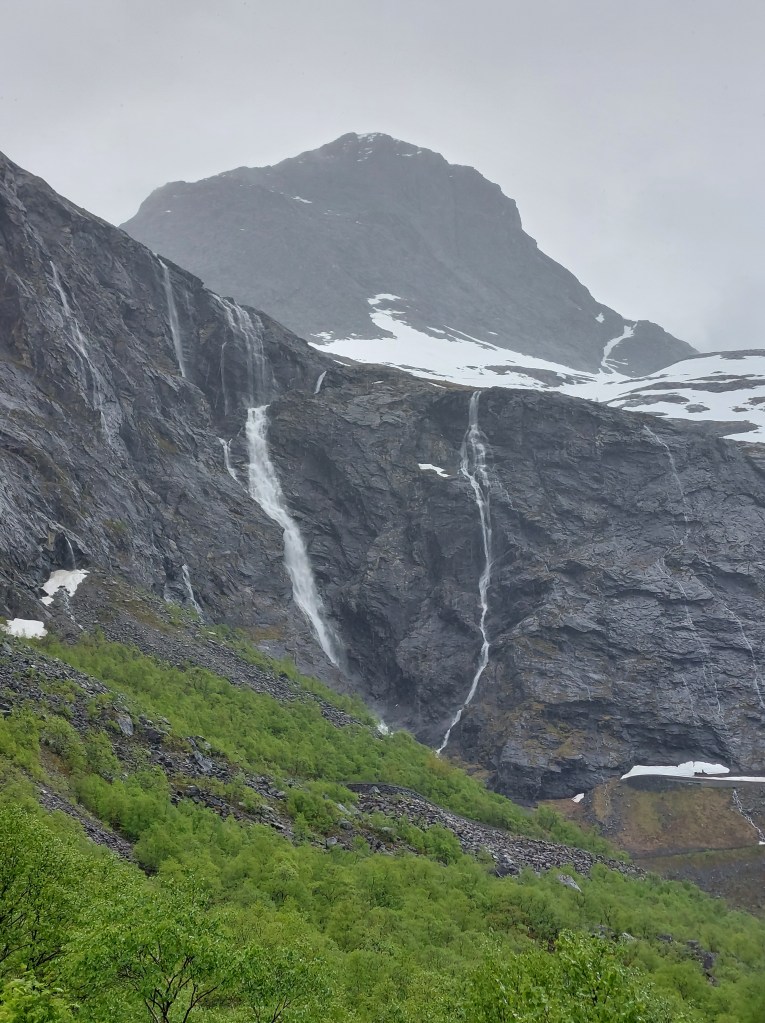
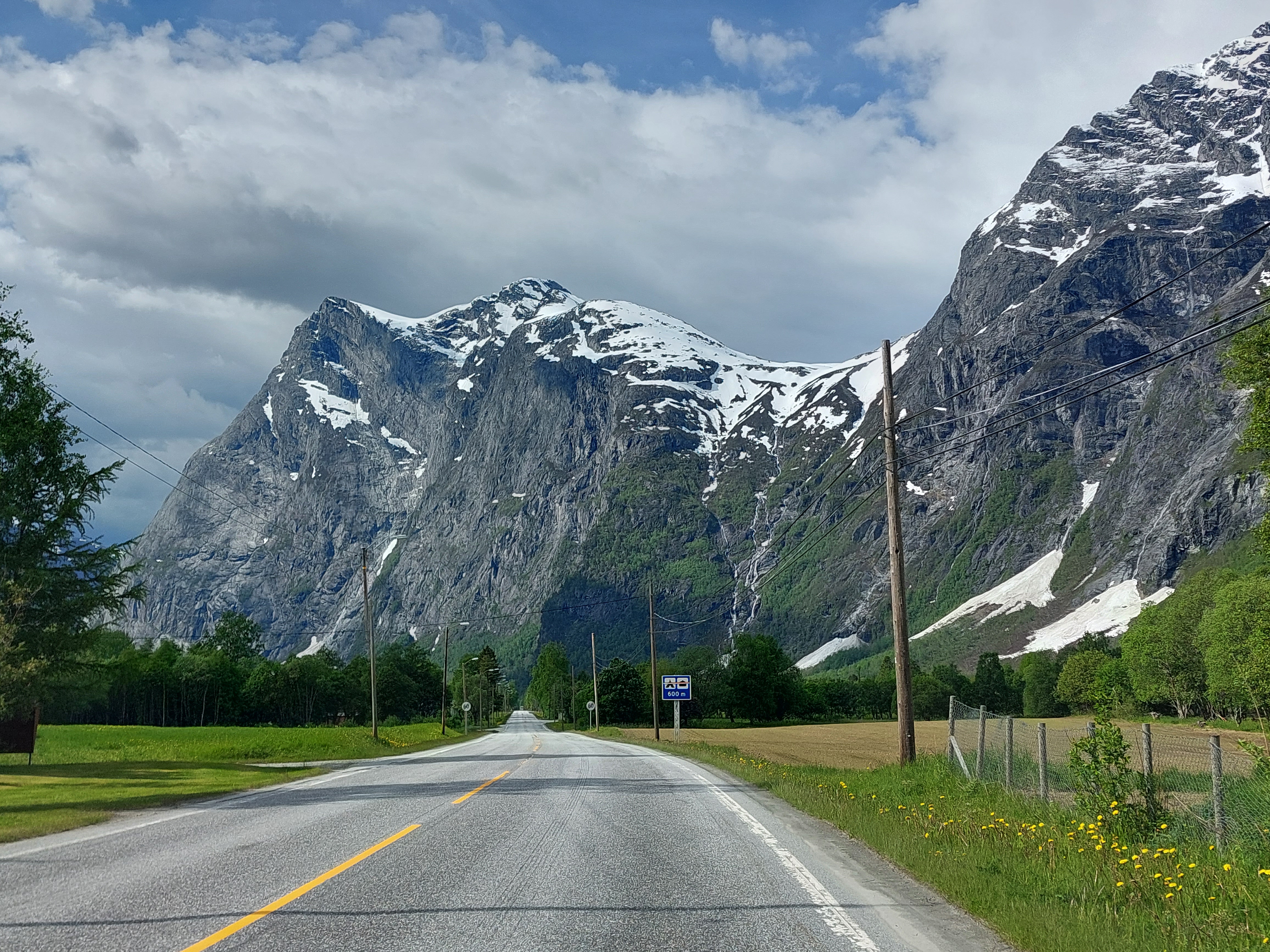
Once we reached the resort, we had a quick refreshment and headed towards Trollstigen, we drove some 8 kms to the Information Viewpoint, it was raining steadily but the drive was beautiful, milky blue glacier waters ran along with us and the viewpoint was in a valley with hundreds of waterfalls sliding down the slopes and we could see the famous winding Trollstigen Road going up the face of the mountain. As described in Day 1, we had planned to drive the Road towards Geiranger on Day 3, but due to avalanches in the winter the road was not yet cleared and open, so this is as far as we were going to get. We met a Dutch family at the viewpoint who were in the same predicament as us and the rain notwithstanding we huddled in our raincoats and chatted about our itineraries.

On returning to the resort, we had grilled salmon with accompaniments for dinner, put together by us in our cabin. Later, the Norwegian lady we had met the day before joined us over fresh strawberries and coffee to chat, into late in the evening, about life and travel in our respective countries. We retired for the night, already excited about the sights we would see enroute to Geiranger fiord, the next day – Day 3 Trollstigen to Geiranger Fiord.

Day 1 – Oslo Airport to Trollstigen Resort

Over my next few posts, I am going to relive a 12 day road trip that my partner and I undertook across Fjord Norway from 31st May 2022 to 11th June, 2022. The hiatus that the pandemic brought international travel meant that this vacation was more anticipated than any before and after having been cooped up at home for the most part of two years, Norway was the perfect panacea, giving one ample opportunity to feast one’s eyes on wide expanses of blue sky.

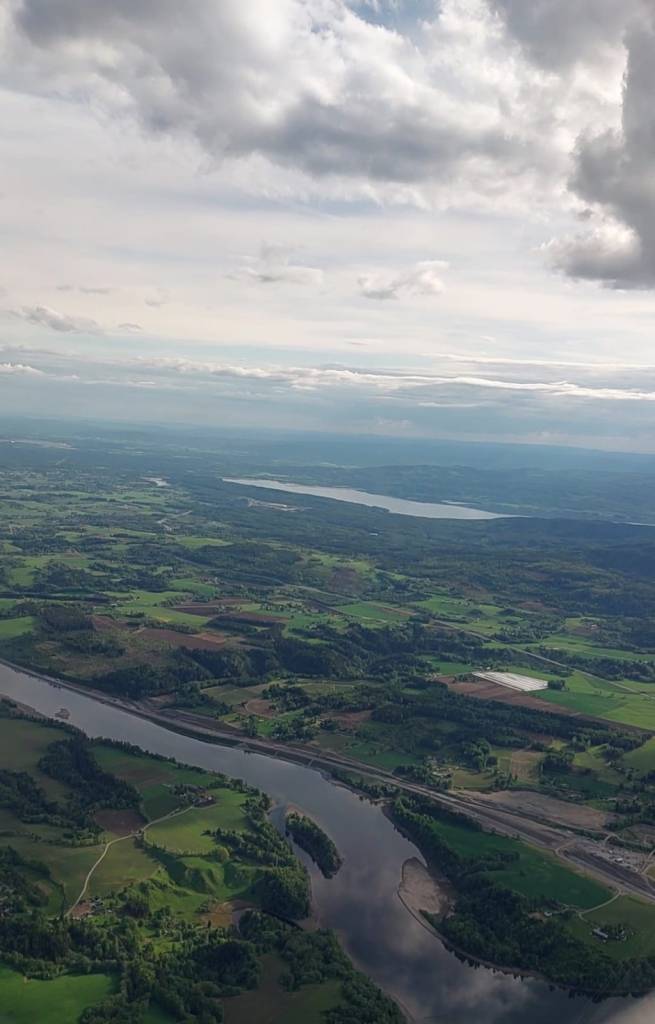
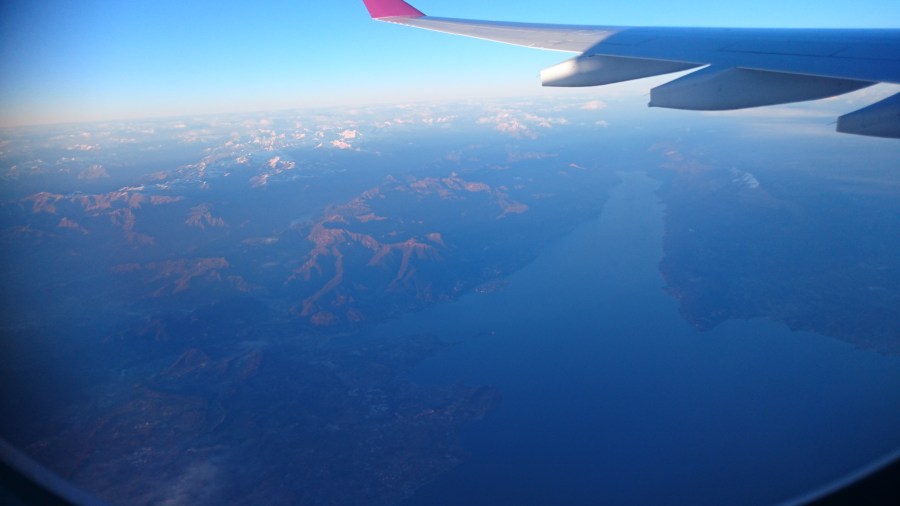
We arrived at Oslo Gardermoen Airport, on the evening of 30th May, 2022. As the plane started its descent, I looked down, at the lush green countryside, interspersed with pools and streams of crystal clear water with the clouds reflected in them, and thought, with awe and conviction, that I was looking down at god’s own golf course. We had elected to come just before tourist season which commences around the 15th of June, in the hope that we get to enjoy the sights in peace and avoid crowds and hence reduce the likelihood of contracting, you know what. This call would turn out, mostly to be a boon.

On landing, luggage retrieval was quick and hassle free. We headed to the airport currency exchange to get ourselves some Norwegian Krone (NOK, one US$ is equivalent to roughly 10 NOK), however it was about 7pm and the counter was closed. Later, at the rental car desk, we were told that the exchange had shut shop a few days back, they told us not to worry, as cards are accepted universally in Norway, this bore true, in fact, there are establishments in Norway that do not accept cash, not vice versa. The rental car desks were clearly signposted and we completed the formalities of signing the rental contract and taking the comprehensive insurance cover within minutes. The car had been booked in advance through Economy Car Rentals, it was a grey VW Polo provided by Europcar. Our own TomTom, satellite navigation system (satnav) installed, we nervously made to ease out of the underground rental car parking. This is always a stressful process, as the satnav cannot receive signal in the underground parking and having been turned on for the first time in a new destination is unable to provide directions. Anyway, before we could exit, we turned back as the fuel gauge appeared to show the tank as empty, the ‘0’ was red, it was supposed to be full, so I clicked a photo and rushed back to the rental desk, while my partner waited in the designated parking of Europcar. I was assured that the tank was full, I needed to see the points to the right of the ‘0’, the vertical dashes to the right of the number gauge, which were going right to the top to indicate that the tank was full. Reassurance gained, we once again nervously headed towards the exit, floundered as we reached the open to get our bearings and to ensure that we were driving on the right side of the road. The satnav still had not found its signal, nor had the cell phone, so we had no option but to take the motorway and hope we were headed in the right direction. It was by now 8.30 pm, but being in the land of the midnight sun we had the advantage of getting our bearings in broad daylight. Our destination the Best Western Leto Arena Hotel, booked for its proximity to the Airport, 12 kms north of it, just off the E6 highway which we would be taking further north the next morning to get to Åndalsnes. Fortunately, we had exited the Airport in the right direction and soon reached our halt for the night. Do not miss out on reading about our misadventure in getting the car back to the rental car parking when we return to the Airport in the last of this series of posts.

Even though the hotel was surrounded by concrete, the bright blue sky where the odd fluffy white cloud hung ornamentally, the verdant treeline beyond the concrete and the brightly coloured homestead across the road gave us a titillating glimpse of what was in store for us and we couldn’t help but jump for joy. The excitement of being in Norway for this road trip, which had originally been planned for May – June 2020, the seeping in of the belief that life could go back to pre-pandemic mode and our liberation from masks, which were still the norm at home, gave us a heady feeling and a robust appetite.

Check-in was painless, the receptionist was pleasant and friendly, she informed us that dinner was a buffet consisting of meatballs, sides, salads and dessert, she said the meatballs she had made herself and they were delicious, not that we needed any convincing. We enjoyed our dinner and prided ourself on our restraint in not partaking of the delectable desserts on offer, as we are following a regime of not eating sweets in the evening. After dinner we took a couple of rounds of the car park and headed off to bed to be ready for our early start the next day.

The next day Tuesday the 31st of May, 2022, our road trip officially began. Sleep for me was fitful, I joked that my lungs are too used to polluted air and the clean air was proving too much for them to take, by 3 am it was already day outside, I checked the routes we were to take and weather conditions etc. We were ready, and at the breakfast buffet by 6.30 am. The buffet was varied and bountiful. Here started our breakfast saga of smoked salmon, having platefuls of it served for breakfast makes you truly feel you are in Norway.

By 7.15 am we had checked out and were on our way to Åndalsnes some 430 kms north-west. Driving in Norway is pretty simple, the maximum speed limit is never above 80 kms per hour and most people honour the speed limit, most roads, even the highways, have just one lane, in each direction, interspersed with sections for overtaking, but with the speed limit being so low only those, who are ready to brave a speeding ticket, overtake. The one thing you should be prepared for are the tunnels, every route that we drove had tunnels, and some really long ones, the longest in Norway being 25 kms. This is probably one of the reasons that in Norway all vehicles must have their headlights on at all times, when in motion, regardless of the time of day or time of year. This also means you need to be careful about wearing sunglasses as tunnels come upon you without warning and you could be plunged into darkness. If you are not used to tunnels, as we were not, they require concentration, they tend to get hypnotic and give you the feeling that you are on a conveyor belt in a stationary car and don’t need to control the vehicle.

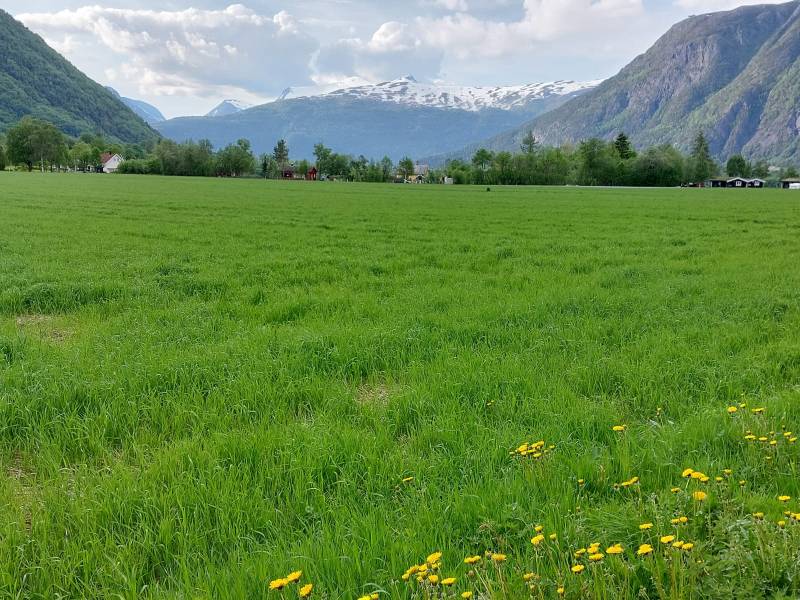
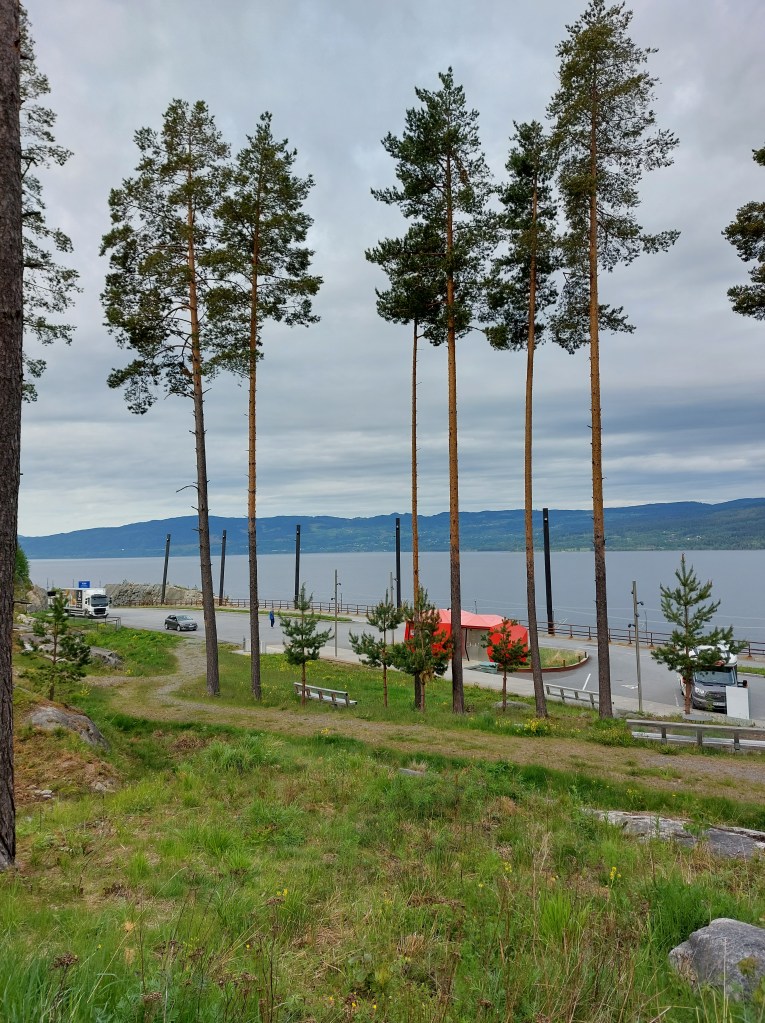
It was overcast but the scenery was already stunning, we were driving along the E6 with a large expanse of water to our left, it seemed to be the sea but we were in central Norway, so it couldn’t be, could it? I checked and discovered that the water body was in fact Mjøsa, Norway‘s largest lake. Rest places along the E6, for taking a toilet stop were well indicated, the toilets were clean and the settings scenic, with picnic tables and even the possibility of taking a little walk, as I did at one

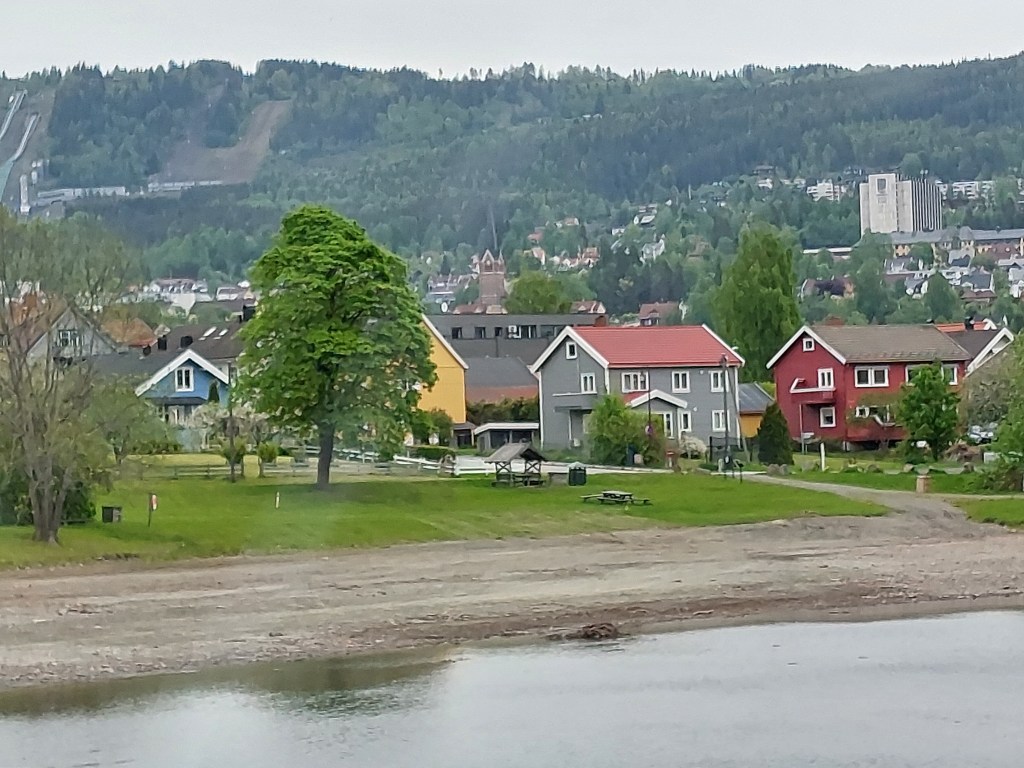
After driving along lake Mjøsa for some 100 kms we crossed it and entered the former county of Oppland, the area now a part of Innlandlet, stopping at its pretty information viewpoint, the lake now to our right. The highway from here had just single lanes each way, we crossed Lillehammer, the venue for the 1994 Winter Olympics and I could see the ski slopes, now bare of snow.

Lillehammer

We were by now super excited as our next stop would be in Rondane National Park, the oldest National Park of Norway. I had been hell bent on not taking the highway all the way, though in hindsight, Norwegian highways are no less picturesque. My research had led me to the possibility of taking Route 27 from a little ahead of Ringebu on the E6 in the direction of Folldal effectively driving Rondane, one of the 18 Norwegian Scenic Routes, through the National Park. I found the Visit Norway website an excellent resource to gather information about all things concerning travel in Norway. It sends you automatically to the relevant websites, for example, if you are searching scenic routes, it will send you to the Nasjonale Turistveger website. Another useful resource to keep abreast scenic route openings and temporary closures etc. is the Norwegian Scenic Routes facebook page.
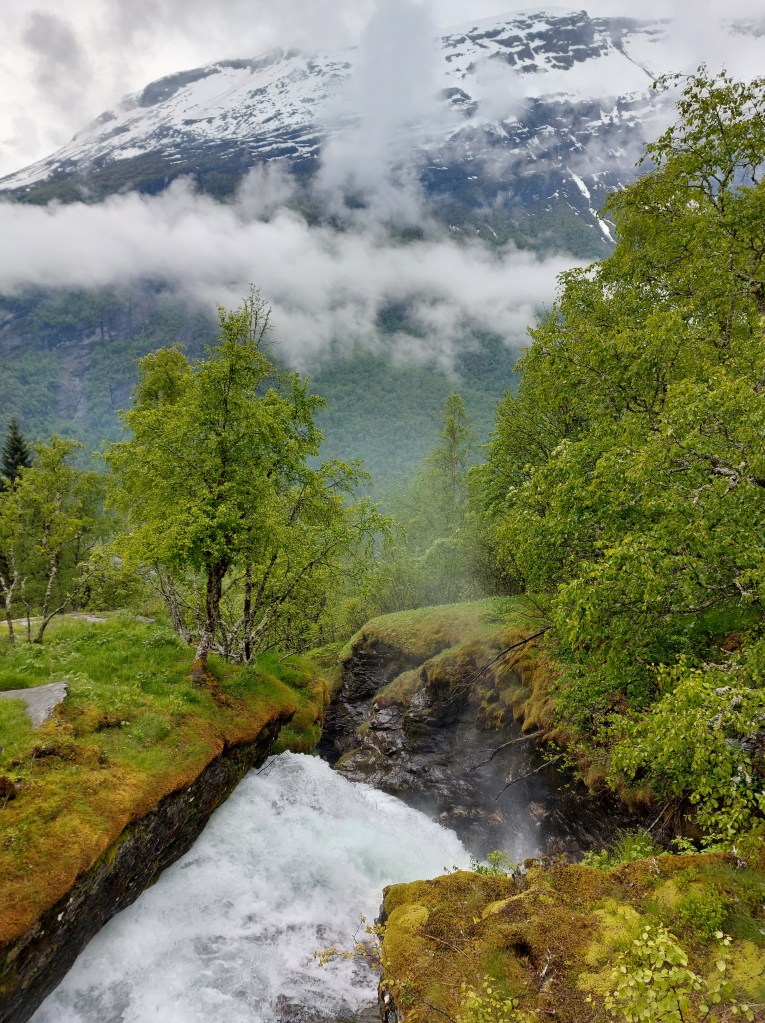
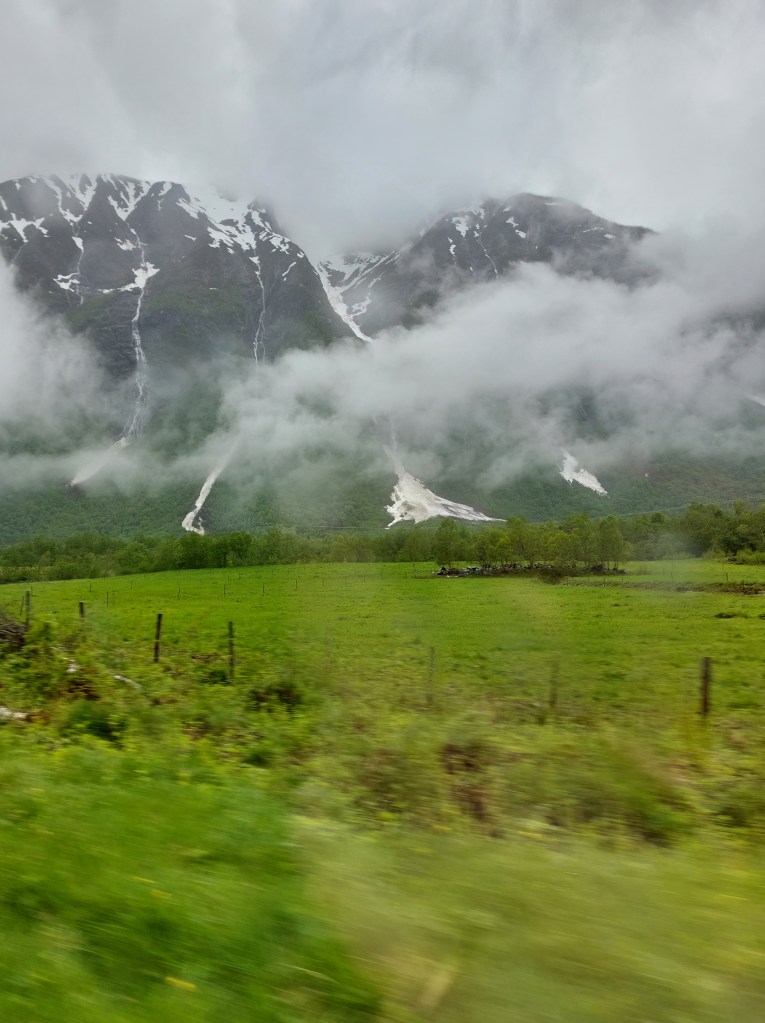
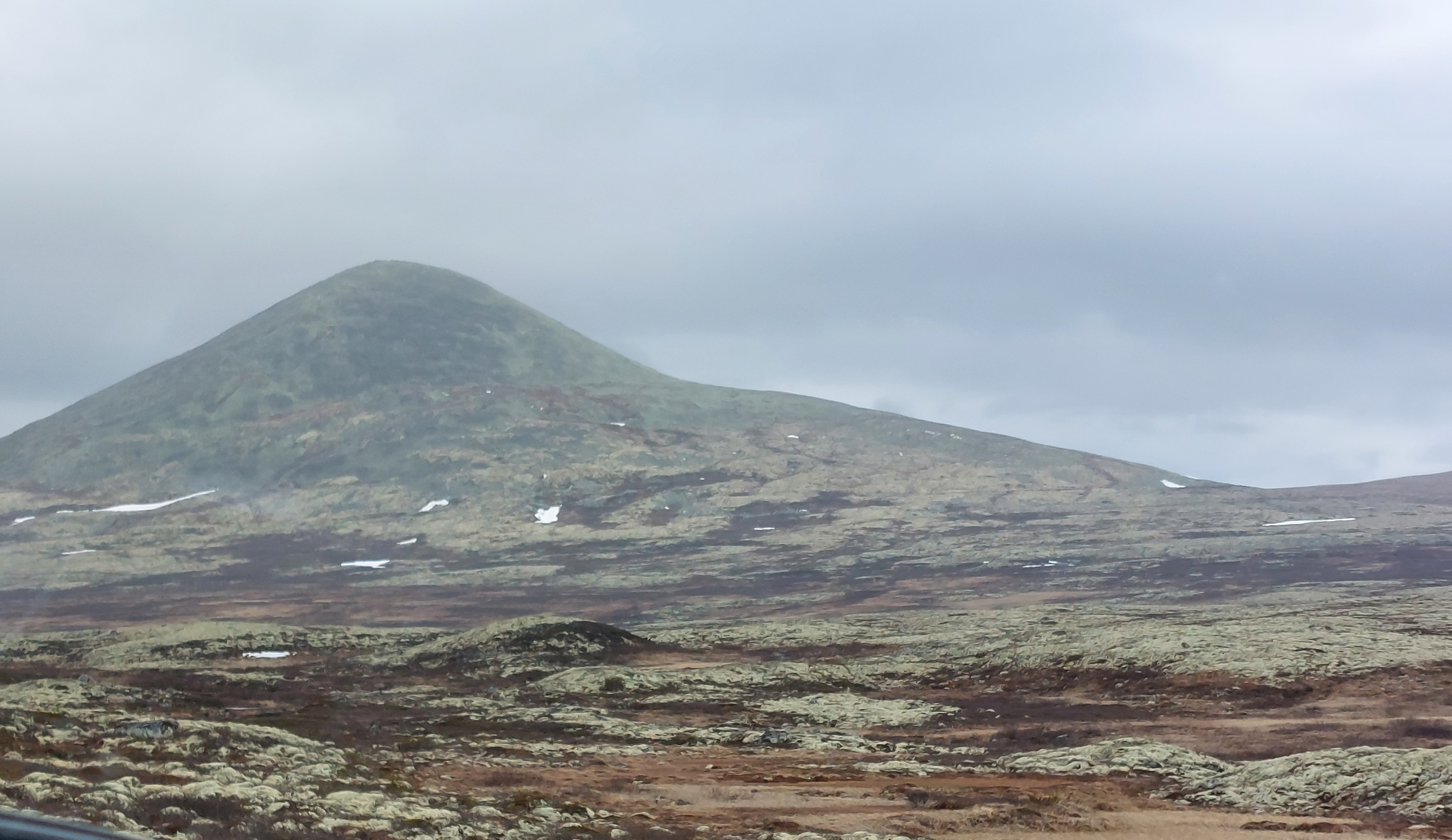
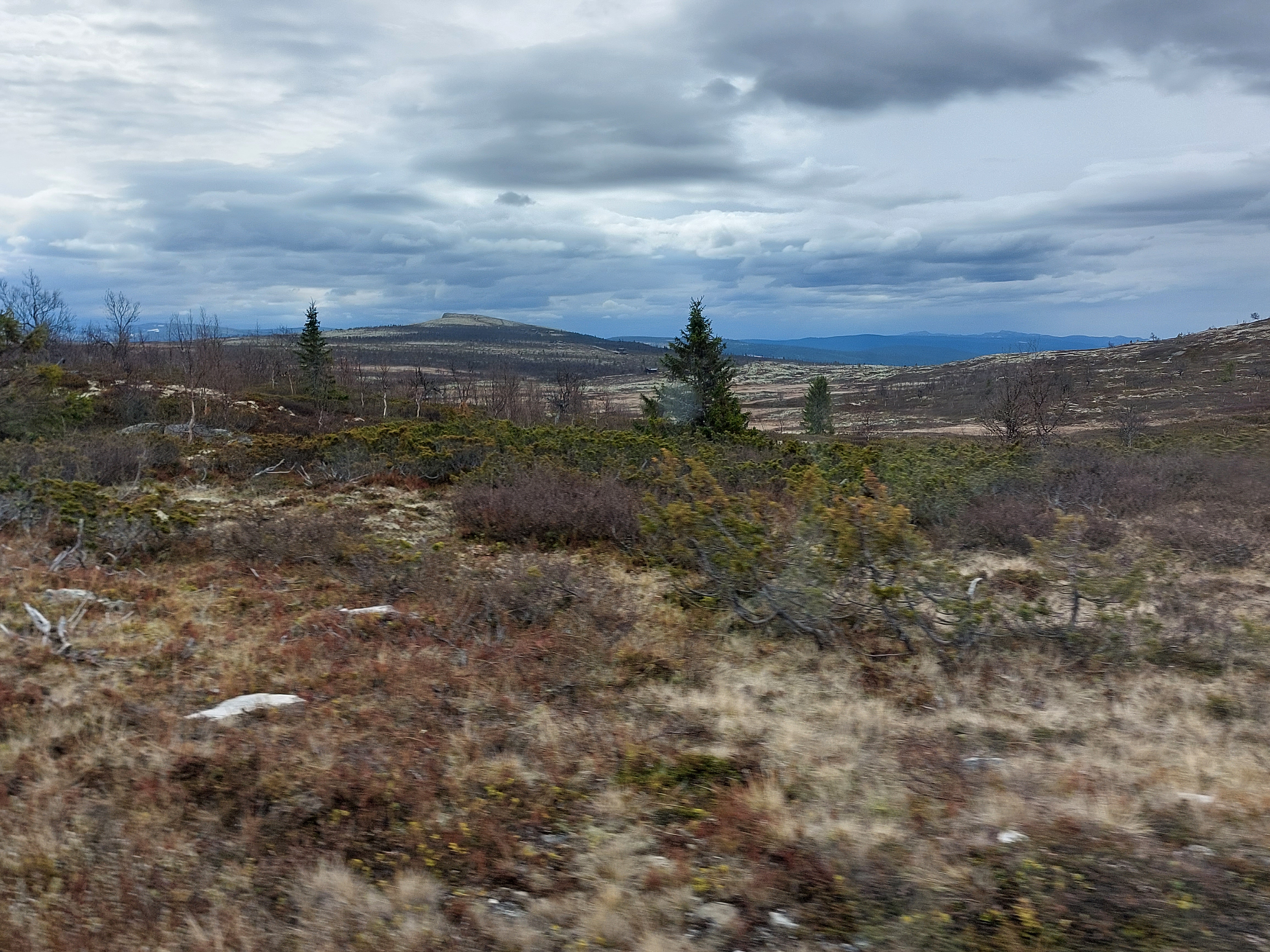
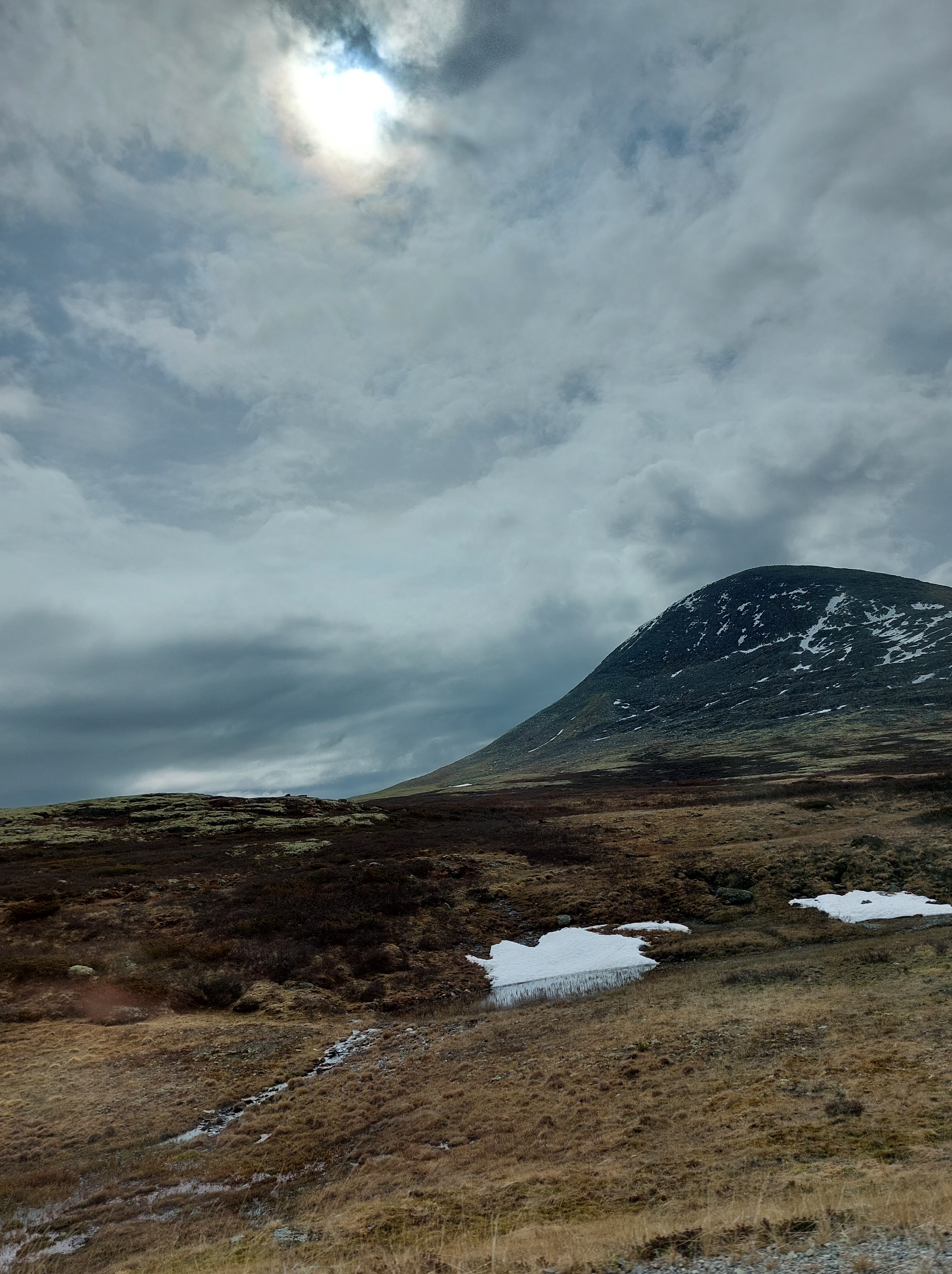
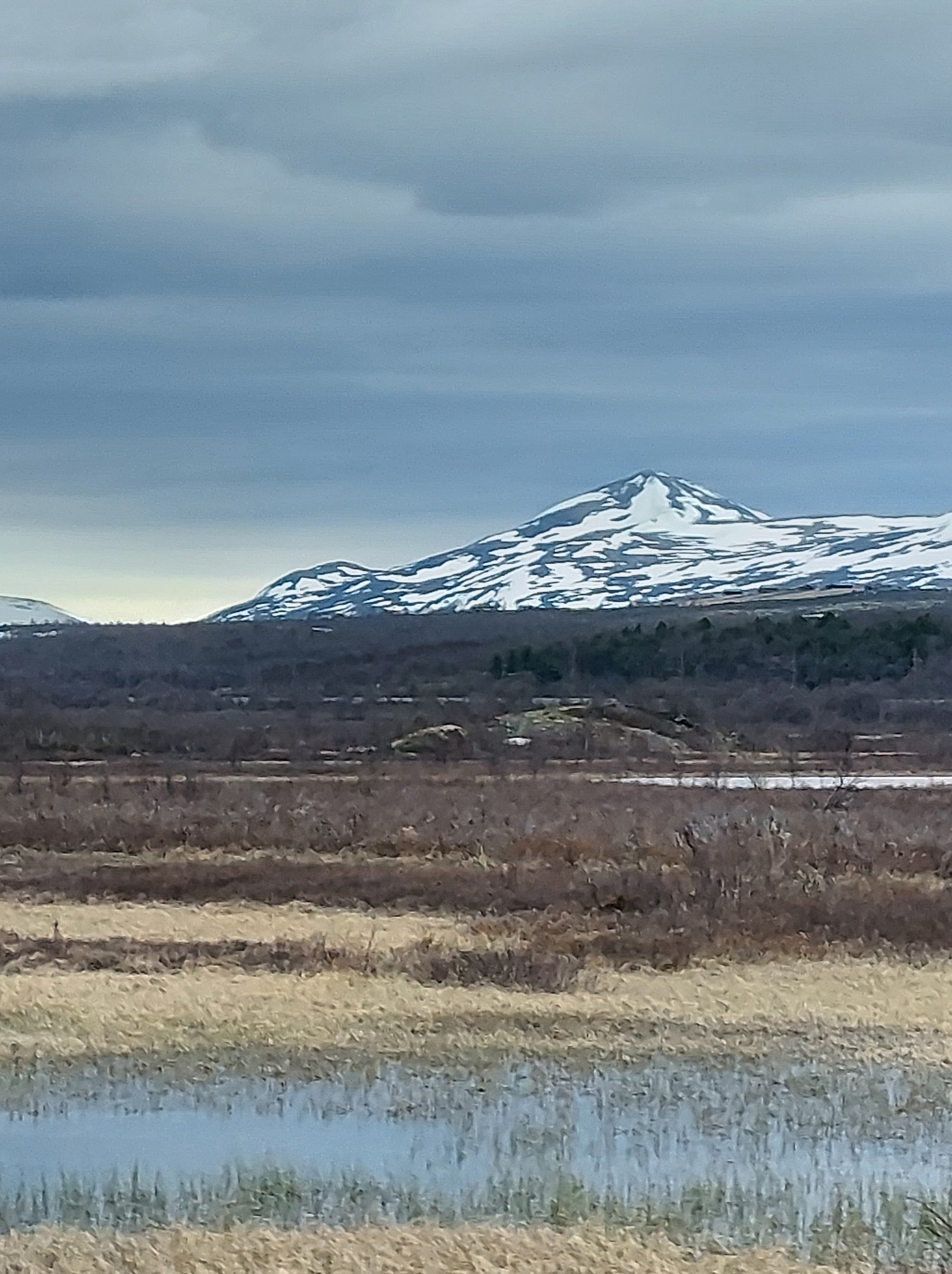
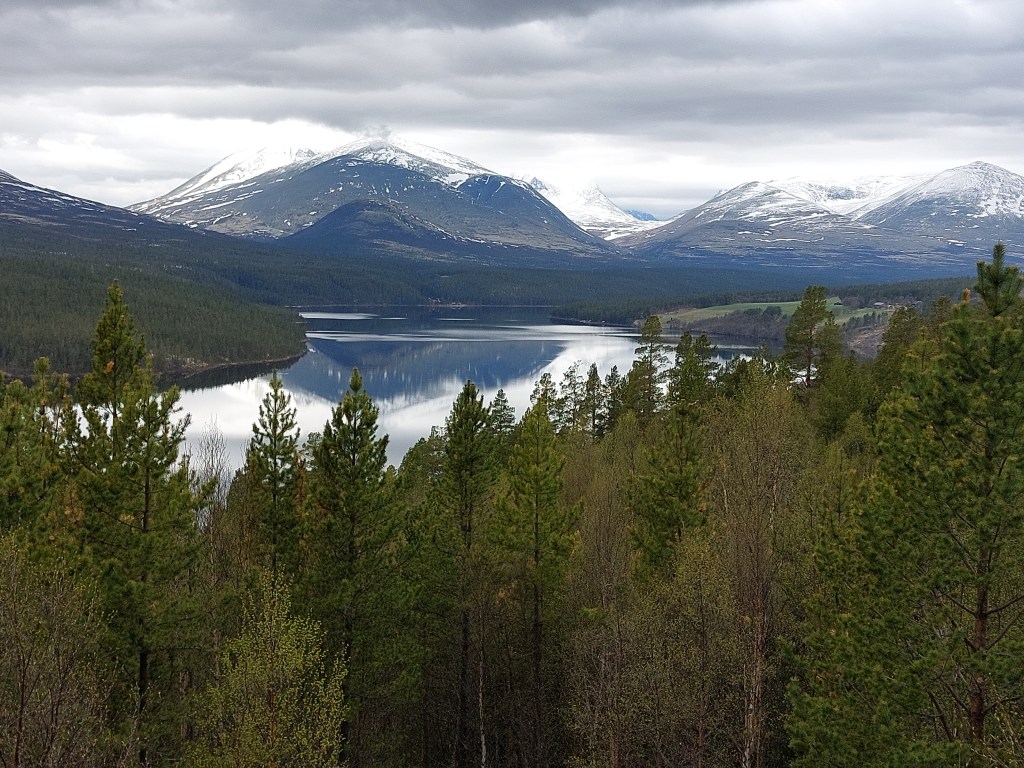
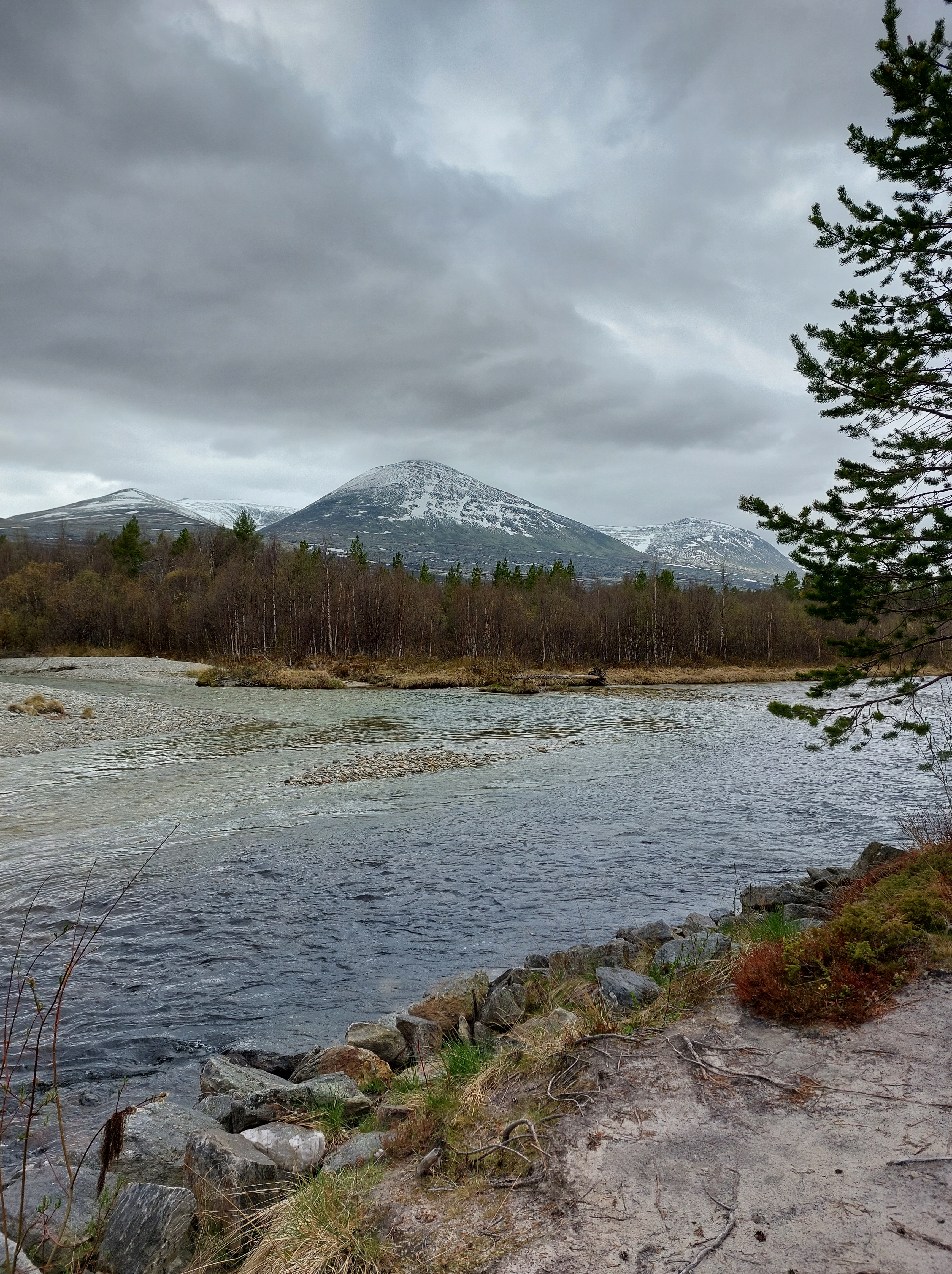
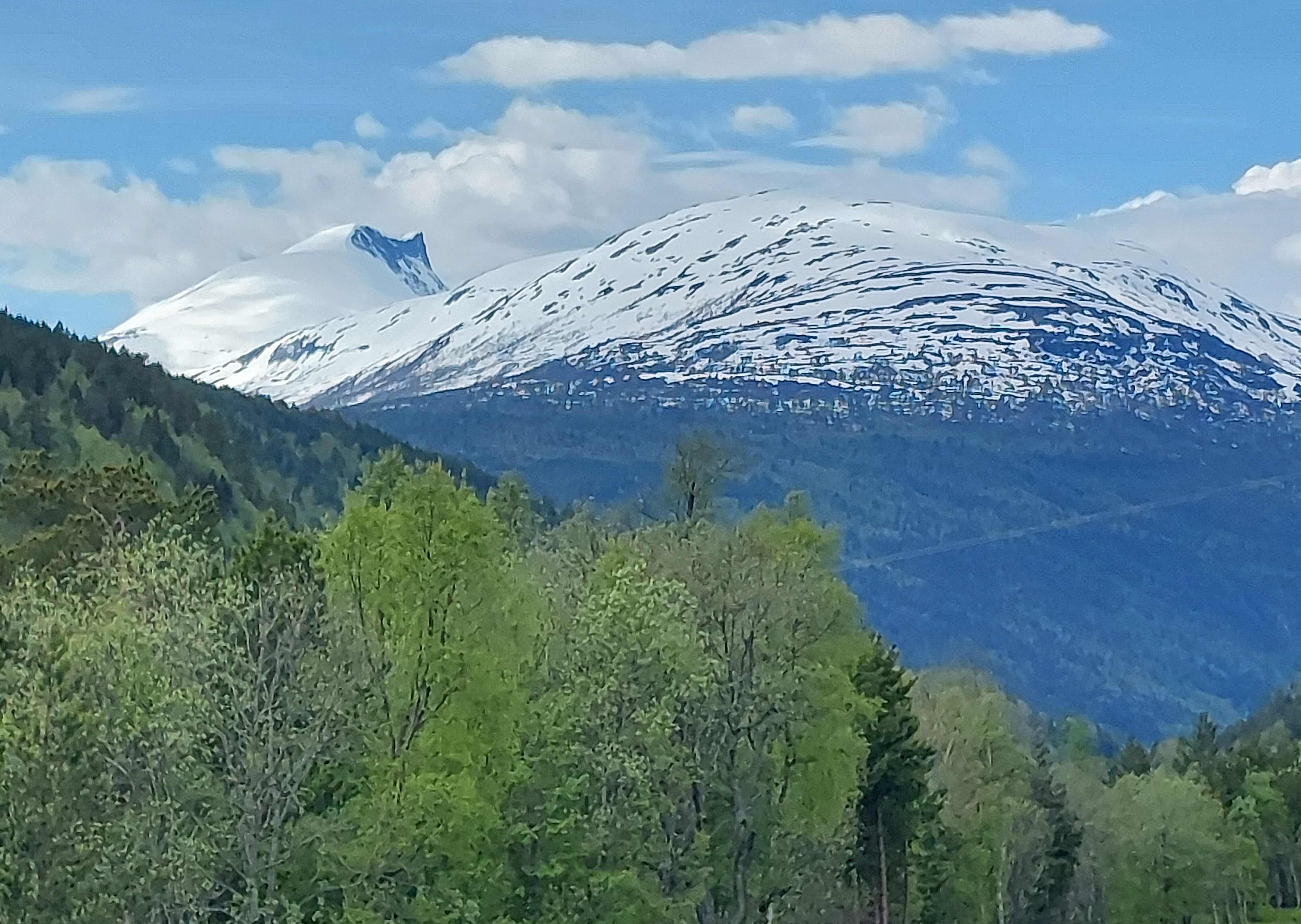
As we entered Rondane, the scenery changed dramatically the bright green gave way to rugged grey – brown. It felt like we had been transported to another planet. We were dazed, neither of us had expected such terrain, on driving further, we got our first glimpse of snow, it spotted the landscape in patches, if this got us animated, what was in store a little further afield was astounding, a smorgasbord of snow peaks. Some of these were affectionately named by us, one being “Vanilla Mint Dark Chocolate Chip” for its blend of white snow, dark brown earth and green tree cover another was naughtily named Mammy Poko Pants. Rondane is known for its distinctive geology and it was apparent why, the only other topography that I could say it bore resemblance to, from my experience, were the moors of Great Britain.

The Norwegian Scenic Routes are famous for the facilities that have been created along them for viewing the scenery and for their oft quirky toilets. Our first stop in Rondane was at the Sohlbergplassen viewpoint, we were lucky to have it all to ourselves. From here we could admire lake Atnsjøen circled by the peaks of Rondane, and learn their serious names. The sight was breath-taking, while writing this I realise that I am going to run out of superlatives to describe the beauty I am going to behold over the next 12 days.

Sohlbergplassen

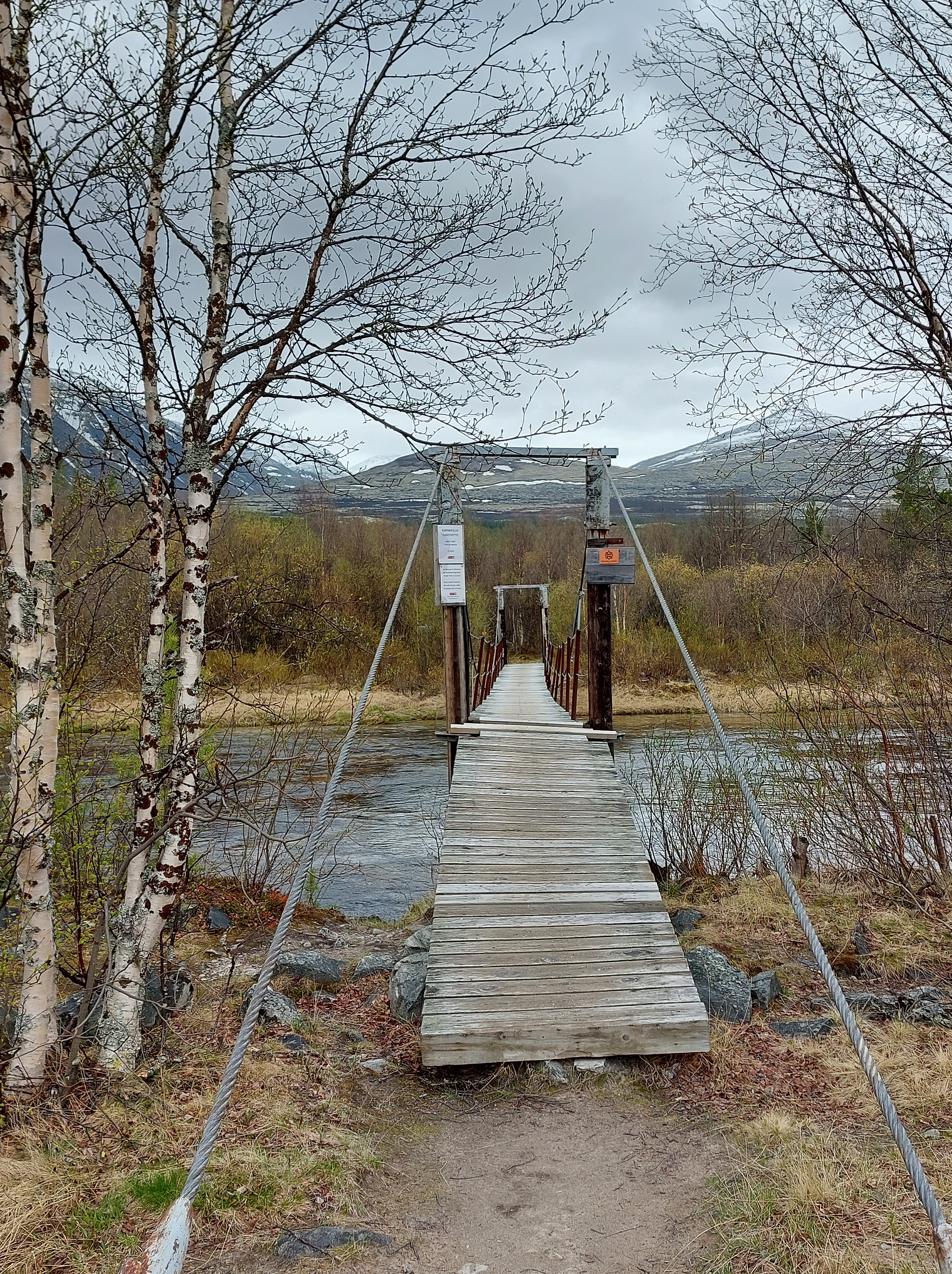
Our next stop was the viewpoint at Strombu, this, had a few people around, and the possibility of taking walks into the wilderness. It started raining as we crossed the wooden bridge across the Atna river, the earth was already soft and we still had a long way to go so we turned back rather than venture into the wild. We had the possibility of driving 12 kms east to see the Sollia stave church, but since we had a long drive ahead of us and would get plenty of opportunities to see stave churches, chose not to take this detour

We continued driving due north, dumbstruck by the landscape, till we reached Folldal, the village that I had identified for buying provisions for our next couple of days in our self-catering cabin. TomTom had other ideas for us and directed us to the Town Hall, rather than the Co-op supermarket we were trying to reach. We wandered around the building thinking that maybe it was behind the Town Hall, fortunately for us there was a mason working in a building adjacent to it and I hesitantly asked him where the supermarket was, doubting that he would speak English, I was wrong, he responded in stilted but passable English and gave us directions to the supermarket. I mention this episode to highlight that in Norway pretty much everyone speaks English, so language is not an issue for those that speak it.

The Town Hall, though closed had a clean toilet for public use, just as most villages and towns have, and a bank. We tried to get in, to exchange currency but could not, we would later learn that it is now next to impossible to conduct business at banks in Norway, phone and net banking being the only resource for this. There was an ATM so we withdrew some cash to have comfort.

We found the supermarket, conducted our purchases and as we came out of it, we asked a couple of charming ladies, grandmother and daughter, directions to a restaurant and in the process we landed having a lovely chit chat. They were off to their holiday cottage in the nearby hills. I am glad we met them on our first day, because the young lady counselled me that Norwegians may appear a bit lost in themselves, but they would love to engage with people and help them, so we should shake Norwegians out of their daze, when required. Her advice stood us in good stead.

Folldal had its own set of activities to offer, such as walks and a visit to the mines by train in summer tourist season. The weather was still dull but it gave the mossy moorish landscape character, we decided that we could not bear to sit in a restaurant when we could dine alfresco, so we drove west of Folldal along R29 and on the edge of Dovre National Park, with its peaks as a backdrop sat down at a perfectly placed picnic table to assemble our sandwiches from the goodies we had just purchased. Weather was a good sport, it started splattering only as we were wrapping up.

We eventually joined the E6 which we followed slightly south-west to the pretty mountain village of Dombås, the scenery changed at Dombas, the grey-brown gave way to lush green and yellow wild flowers lined the road. From Dombås we followed the E136 in the direction of Åndalsnes.

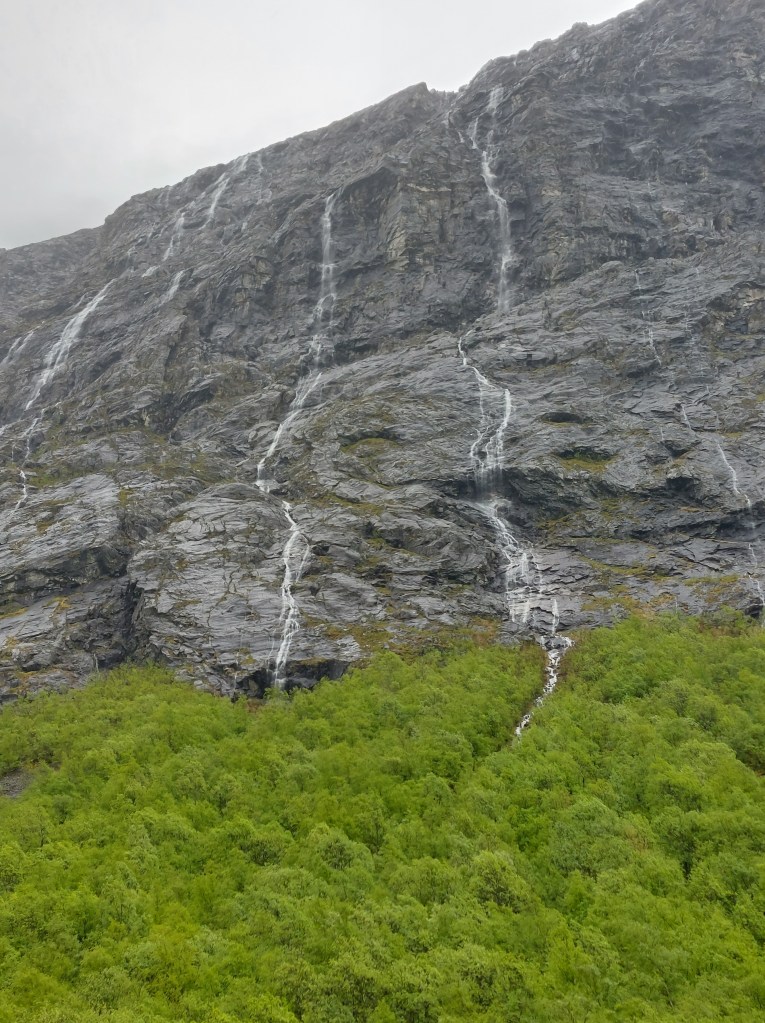
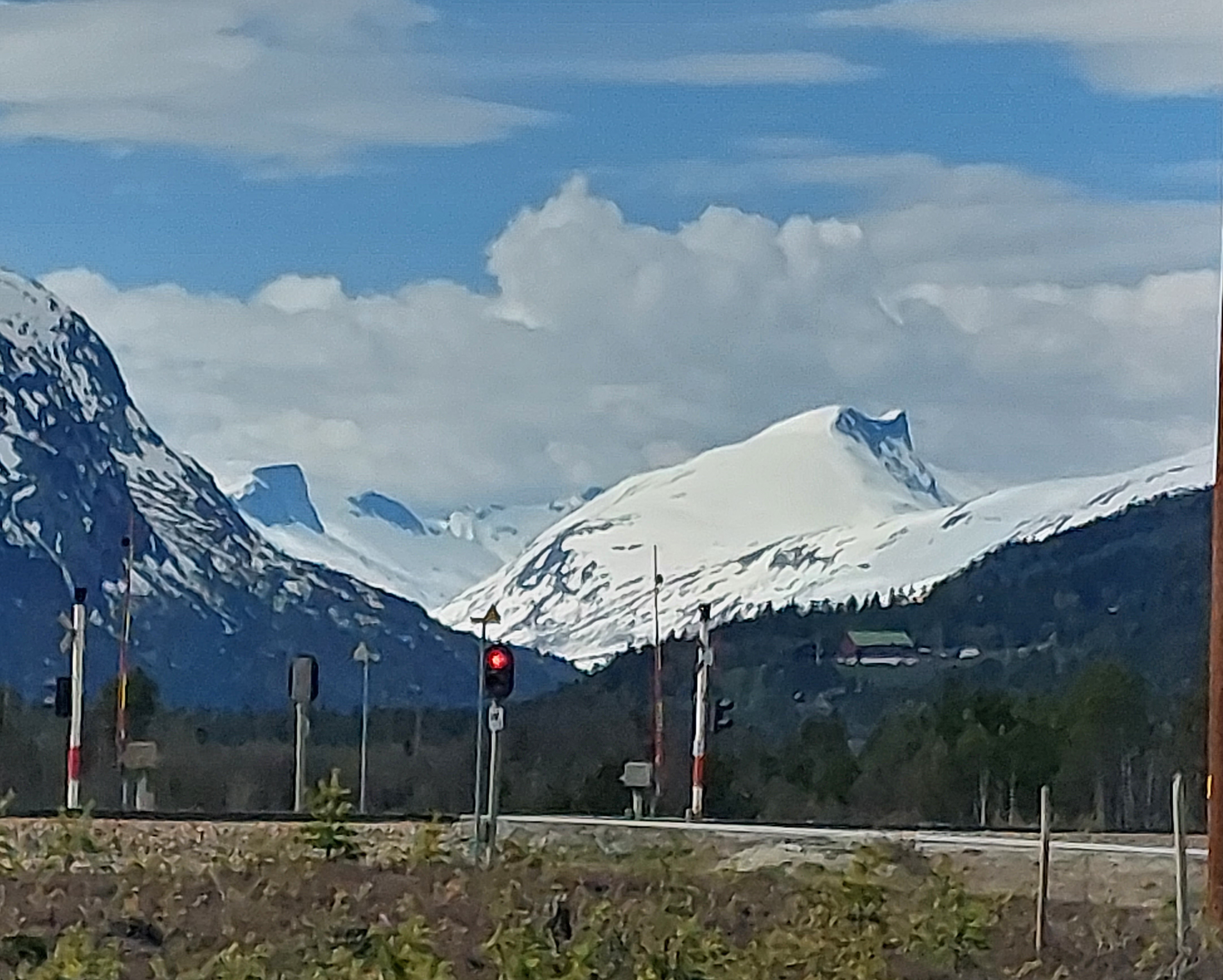
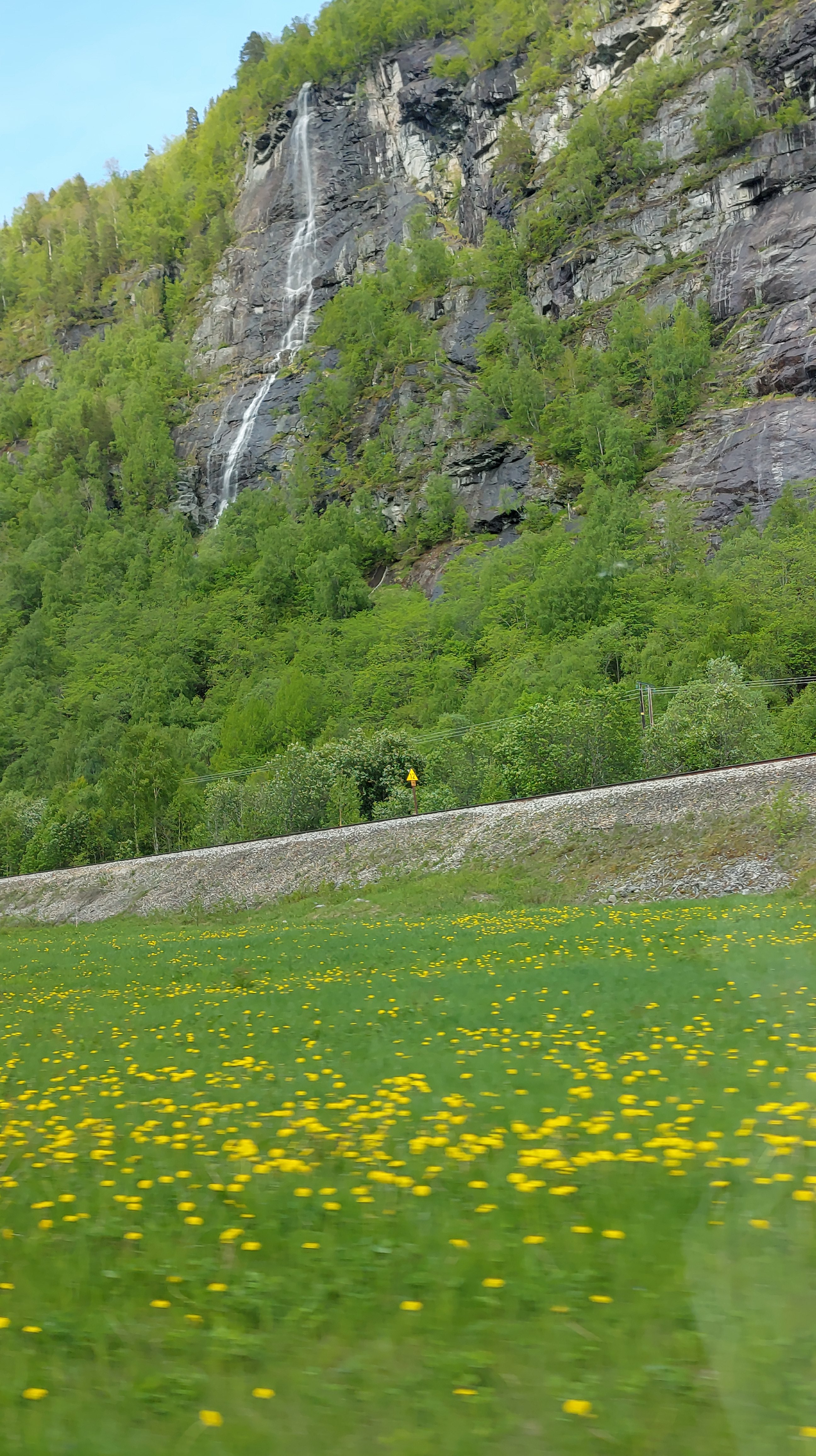
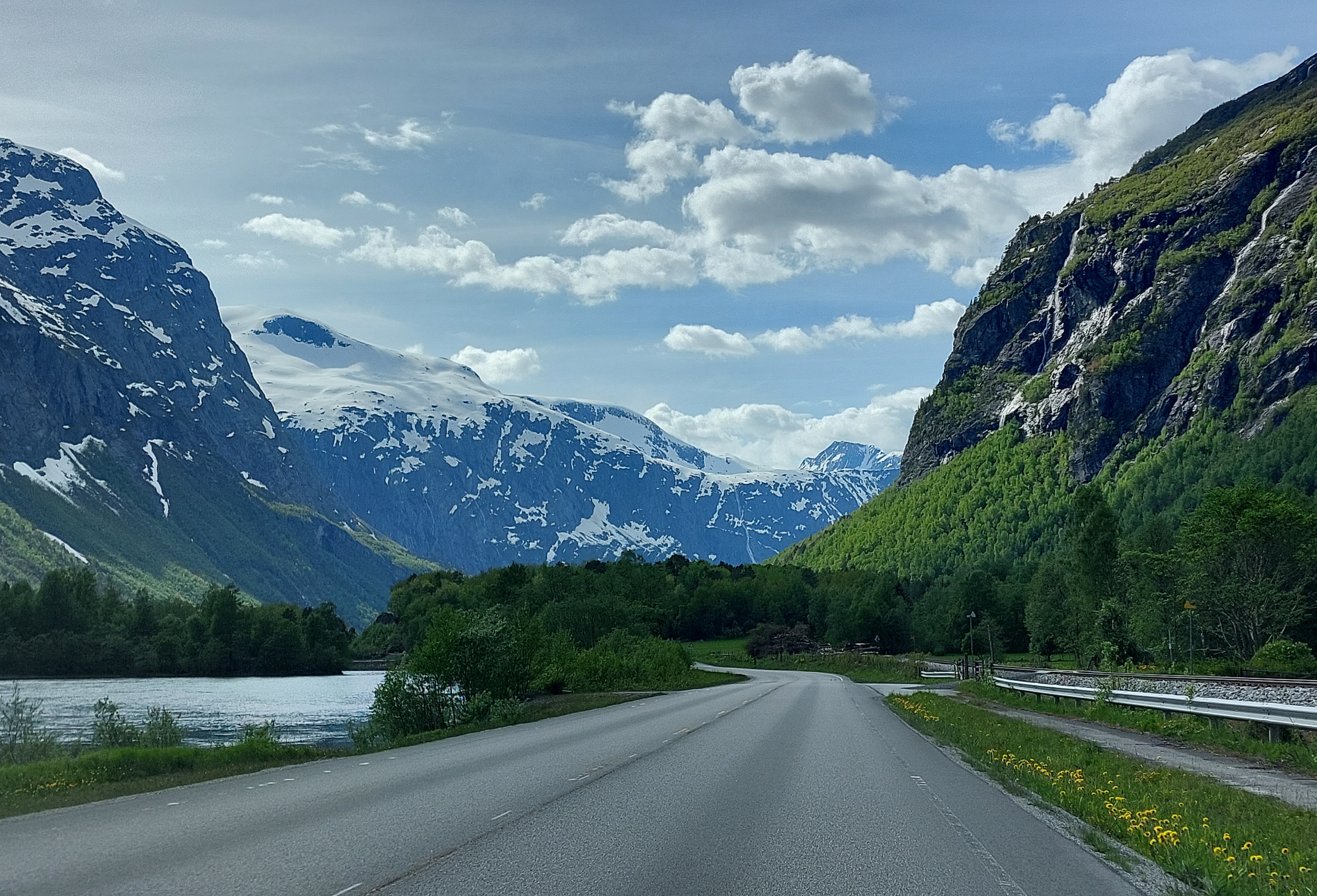
If Rondane had been other worldly the scenery from here was reminiscent of the Swiss Alps in summer. We were driving through the valley with pine covered slopes peppered with meadows and villages on either side of us, the peaks still snow clad and the clear blue Rauma river gurgling alongside and the railway track, for those who are not doing a road trip in Norway the scenic rail route from Dombås to Åndalsnes, the Rauma Line, is one of the must dos, for a taste of this stunning scenery and the most unforgettable waterfalls, there were thousands of waterfalls flowing into the valley, for us it was a never before seen sight.

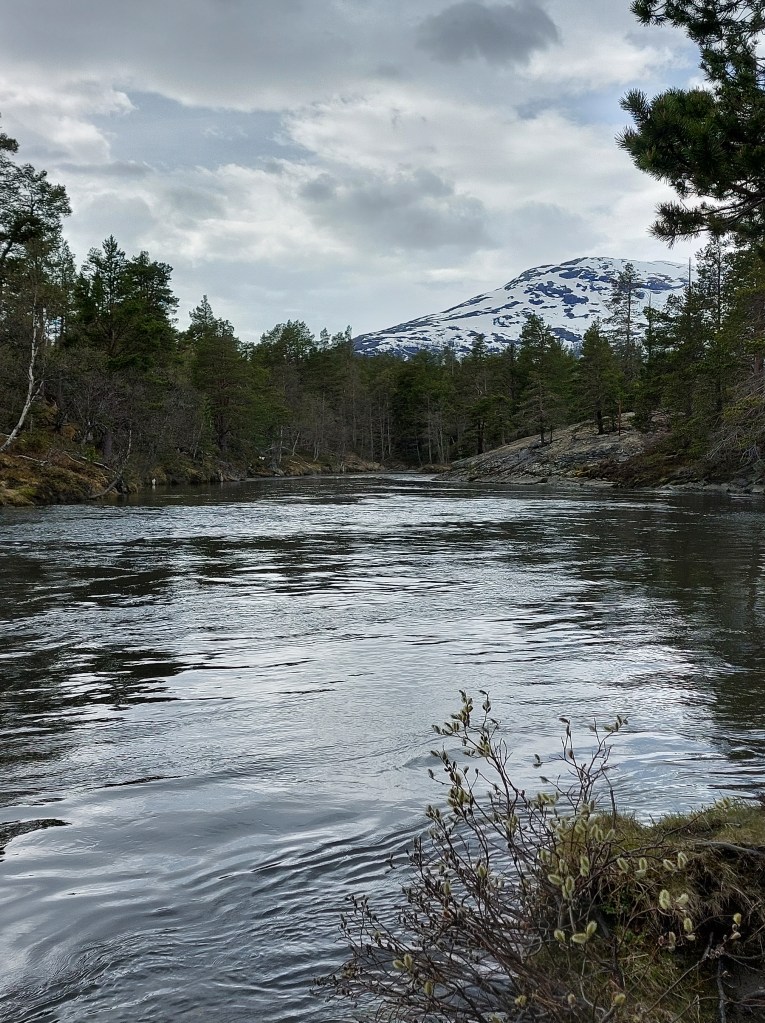
There were plenty of places to stop, park and take a break in Møre og Romsdal the county which we had now entered, leaving behind Innlandet which we had been driving through since Oslo. You could wait to catch a glimpse of the train crossing one of the high mountain bridges or walk a little, to peek at a gorge at close range, we opted to pause by Rauma river at the rest place near Kvernhusfossen waterfall, run our hands through its icy waters and give my partner, the designated driver, a chance to feast his eyes on the nature fest.

The sun was bright which made the colour of everything around us pop, we did the last stretch of about 40 kms without pause and reached our cabin at Trollstigen Resort by 5pm. The resort, which is more a camping, with places for camper vans, motorhomes and the like and a dozen or so cabins is on the out skirts of the town of Åndalsnes in a beautifully appointed valley surrounded by mountains, with the river flowing below it. We had chosen this resort as we had intended to drive Trollstigen (R63), literally Troll’s Ladder, or Trolls Road, the most famous National Scenic Route that turns off from here two days later, but, as luck would have it, avalanches during the winter had caused severe damage to the roads so the road was still closed.

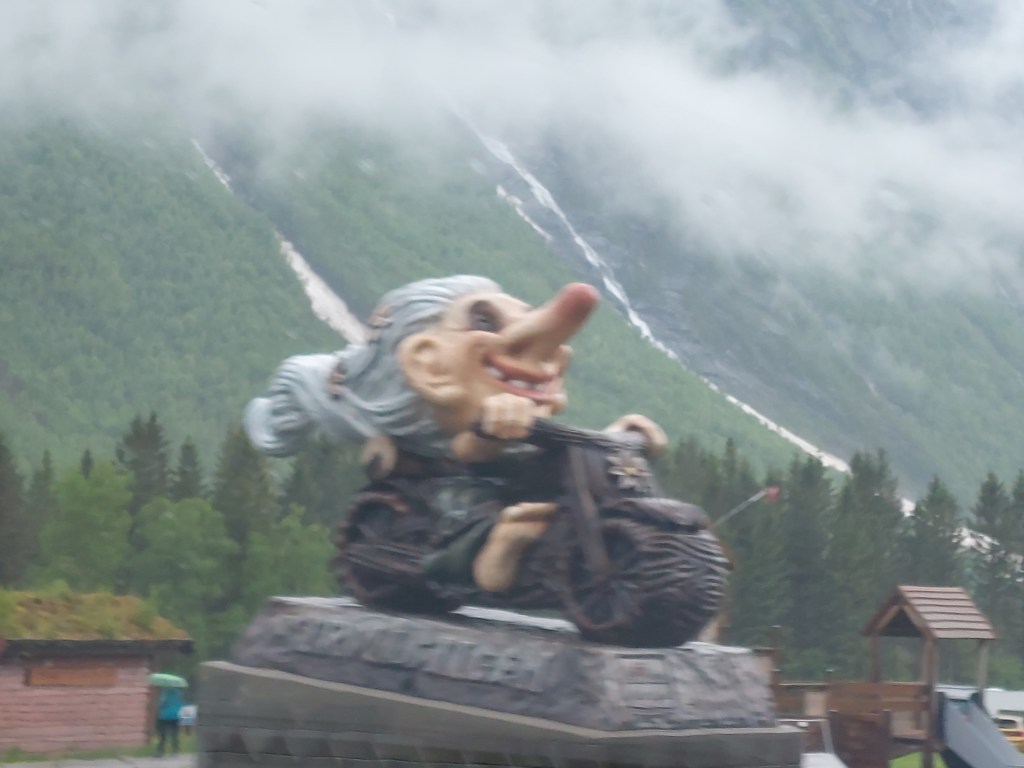
Social media has of course made the word troll a part of everyday parlance, but the original Trolls are ugly mythical creatures that are an indelible part of Scandinavian mythology, as per folklore mountain trolls live in the stony structures of Trollstigen and can be seen from time to time. As a result, Troll statues are ubiquitous in this area, our resort was no exception.

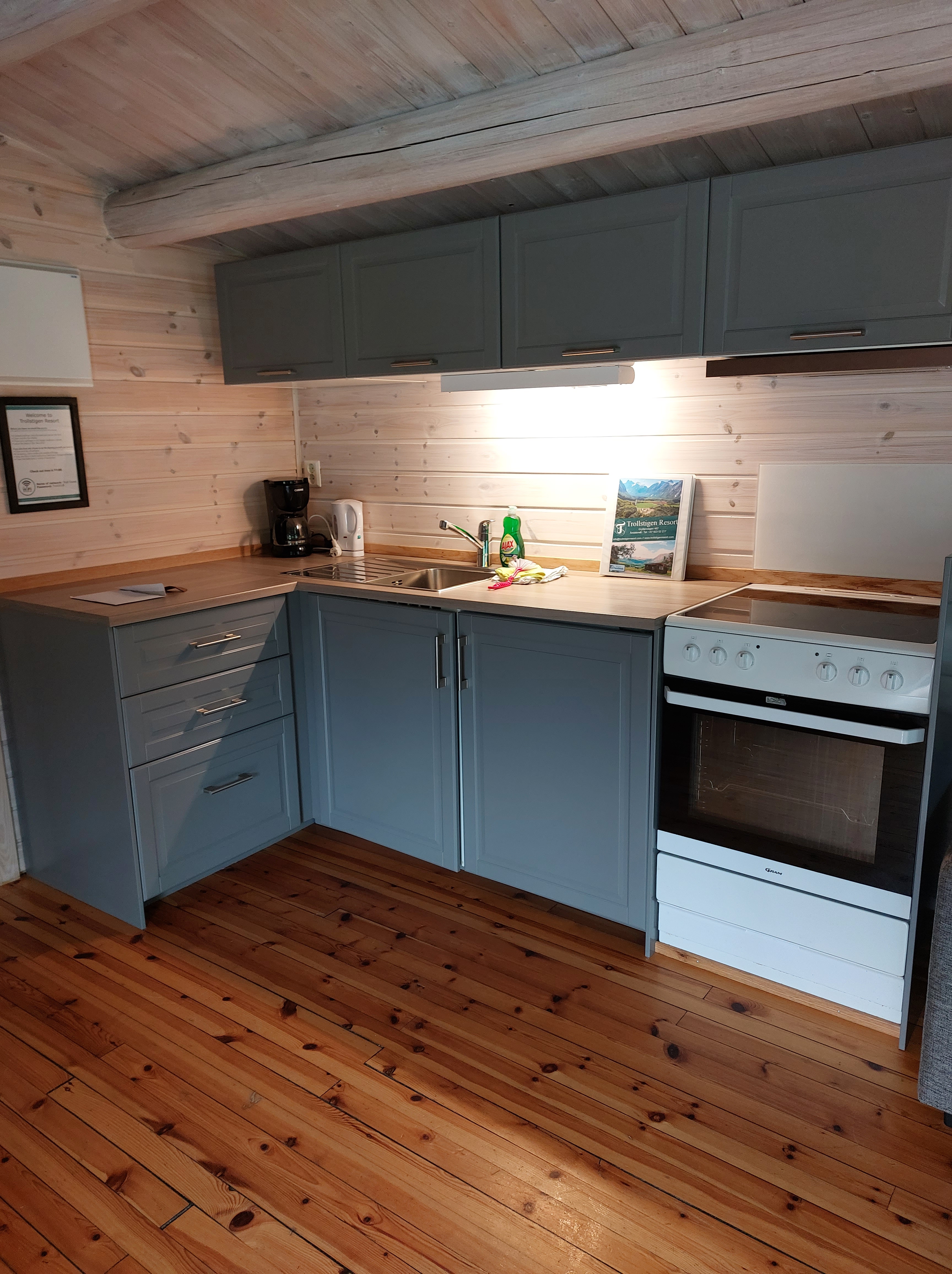
Our accommodation was a wooden cabin with two bedrooms that can sleep up to 8 persons, we had opted for one with a private bathroom, though we found that cabins with shared facilities (bathroom and kitchen), which are more economical, are quite popular. Nordic accommodations of this type, provide you linen at an extra charge, but what is worse is that you have to make your own bed. The bedrooms are always miniscule so I call this concept, by far the most irritating aspect of traveling in this part of the world, still small price to pay for access to such untouched beauty.

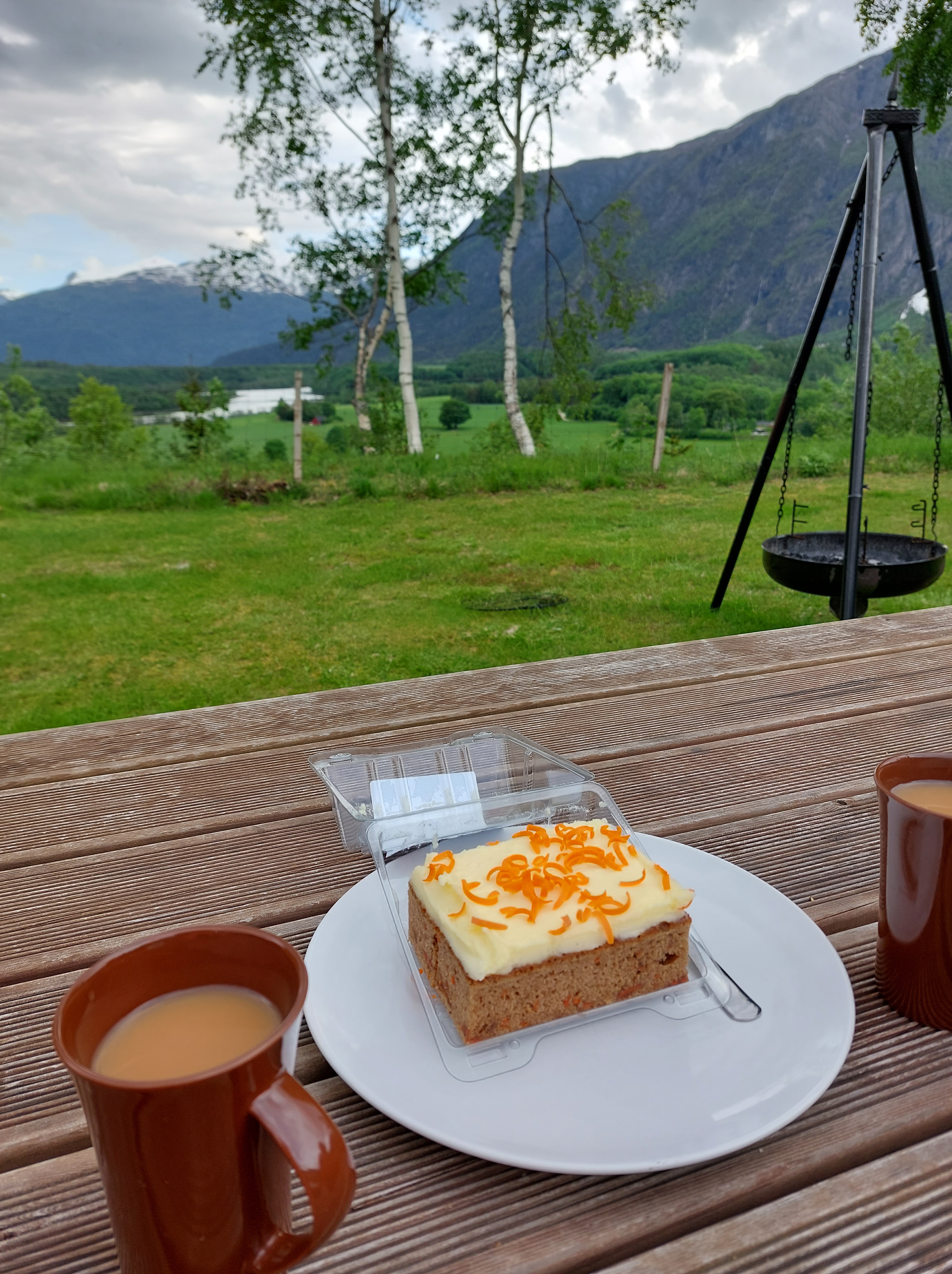
We had tea and cake sitting at our pretty picnic table overlooking the river and went off for a walk. On our way back we met another friendly Norwegian lady at the resort, who chatted with us about all things from Yoga to Karma and guided us to drive up the Trollstigen Road as far as it’s information viewpoint in the valley, it being accessible, even though the road ahead was closed, we decided to do this the next evening and retired to our cabin to put together our dinner and call it a night to be fresh for the next Norwegian magnum opus – the Atlantic Road, which I will write about in the next post.

Love is in the Air

A Facebook post titled ‘Flying High with Newly Weds’, a cynical take by a sixty something flyer on a newlywed couple’s antics on a flight, lead me to write this post. Just to give you a little bearing of where I am coming from, this gentleman was sitting next to this couple and has poked fun at the goings-on during the flight, no there was nothing untoward or ‘mile high club like’ it was just stuff like mutual adoration, pulling out the longest noodle from their cup noodles competition etc. that he has commented upon and seriously doubted that these sentiments would last more than a couple of years.

This lead me to want to share my flying experiences as a couple. My partner and I have made dozens of flight trips together and to disappoint that cynical writer, the narrative has remained pretty much the same. Yes there is that wee bit of tension while locking the house and getting to the airport as I am happy go lucky to an extreme and he more circumspect about locking the house, needing to check things like the gas mains being switched off, the windows and doors being secured, not once but multiple times. He also likes to get to the airport three hours in advance, I resisted this for a few years fearing that the journeys were as it is so long and that this just added to them, therefore unnecessarily exhausting us further, but he has now won me over with the argument that the earlier we go to the airport , the earlier our holiday starts and I am now a convert to his way of thinking. What also helped is getting an Airport Lounge Membership, so its truly relax time, once we get through immigration and security.

The fun starts at the check-in counter itself, in more recent times, having web checked in and being at the airport three hours in advance we sail through check inn, this post is not about the minor skirmishes that we have faced at this stage thanks to incompetent staff so I need not elaborate on them. Then we head for immigration, we always go to the immigration guy together, yes they are mostly guys, the only time that I recollect the immigration officer being a lady was at Dubai Airport. We have a little chat with him, if he is so inclined, we have left most immigration officers, if not laughing, at the least smiling in our wake. Then it is off to security, we unfortunately have to separate ways for a bit, I always say a cheery Hello to the officer and stand like a scarecrow with my arms out at the sides for the body check and invariably get a compliment for being such a good subject. We then unite like long lost lovers and just as we reach the duty free shops, I let out a loud whoop, this whoop is unchanged over all the years, and even though I write of it here it is absolutely spontaneous. Then we head to eat/ lounge and get on the flight. When the configuration is such that there would be someone sitting alongside us, we get on the flight with some trepidation. Over the years I realized that rather than thinking of this person as the enemy, he or she should be befriended and since then, I have taught many a bucolic ‘Bebe’ (old lady) who would be petrified of the journey to relax, sit back, on occasion on her being willing to have a drink, Bailey’s is always a hit, and watch the TV. For us, her guffaws thereafter on the Hindi comedy she is watching simply add to our romance.

Now, about us love birds. On takeoff, we hitherto unreligious types, do say a prayer for a safe flight and another chanceless holiday.

The discussion about how many movies we are going to watch starts weeks before taking the flight, once we get on the first thing we do is check-out the movies, we then have a discussion over these and yes (fanfare) we must watch all movies in unison, so they are timed or when necessary paused while the other gets there as we want to have the identical flight experience. We hold hands, laugh and cry together. Then comes the discussion on the drinks and food, this is painstaking, yes we could well be in a Michelin star restaurant. The wine bottle is stared at to see if it is any good, the juice quality is considered and then the same drink is ordered, my partner will as at home land up feeding a part of his snack to me, cause I have gobbled mine up fast and he lovingly wants to feed me his. Drinks are matched, jokes are cracked with the air hostess, she is always ready to supply us whatever and whenever but other than getting even happier we have never drunk ourselves silly on a flight nor would we encourage anyone else to.

Now, starts the tango as two hours into the flight our hearty size and its infringing on the others space becomes more obvious, my partner sleeps more easily, so on occasion I will let him sprawl into my chair and go and stand in another quiet cabin so that he can spread out and have a good sleep, these days, as we invariably go on road trips and he has to start driving the moment he lands in a foreign country, letting him sleep is probably selfish rather than benevolent on my part. But, now I come to the most romantic part of my journey, it is when I need to use the loo, till date, not a flight has gone by, when he does not first clean the entire loo and only then let me enter, this act for me is the most romantic act of all, on these journeys and yes, it makes me feel like a queen and makes me think of him as an Olympic gold medalist.

Let’s hope love is in the air, again, soon.

Chickenpox, Asiad 82, Milkha Singh and little me!

I joined my second boarding school in June 1982, at the age of 10. The term ended earlier than usual in mid-November as India – New Delhi was hosting the 1982 Asian Games from a week later. Chickenpox was in the air at school, the week before we went home for those winter holidays, the girls that slept on either side of me in my dormitory were down with it. It was inevitable that I would get it. Much discussion had ensued amongst my classmates about how dangerous Chickenpox was to an adult who had hitherto never had it, and it had been drilled into me that such adults would surely die if they contracted it.

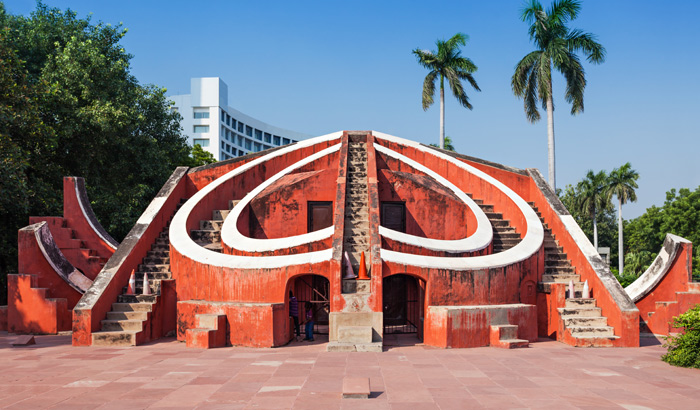
The Sun Dial at Delhi – Jantar Mantar the Symbol of the Games and the beloved mascot Apu the Elephant

The moment I reached Delhi I kept a distance from my mother, who I knew had never had Chickenpox, I refused to hug her and told her that I must be left alone as I was contagious. Mother scoffed at my concerns.

A day later, I saw a pox appear on my left forearm, and my apprehensions seemed to be confirmed. I was alone at home, my mother was a protocol officer for the Asian Games and was working long hours.; I locked the house and walked the 250 meters to a local Doctors’ Polyclinic. I waited outside the clinic till my Doctor, Uncle Srivastava, a former student of my grandfather’s at the Armed Forces Medical College and a family friend, finished meeting his patients, as I wanted to avoid contact with them. When Uncle (it is a sign of respect in India to address elders with Uncle or Aunty), came out, I held out my arm from afar and said ‘Uncle I have Chickenpox’ he felt my forehead deduced that I had a temperature saw my heightened colour and the yet, solitary pox and said ‘that is an excellent prognosis’, that is how I learnt that word. He then wrote out a few medicines and knowing that I would not have any money on me, gave me 20 rupees and asked me to first go to the chemist, another 250 meters ahead, buy the medicines and then go home. I told him that he must find a way to contact my mother at the Asian Games Village and forbid her from coming home, he laughed and said not to worry, he said adults rarely get Chickenpox and assured me that even if she did, she would not die.

I spent the next two weeks alone in the house during the day. It was a wonderous time as the Games were telecast live throughout the day and I was thrilled with the novelty of being able to watch daytime television in India. India, in that era had state run television and the programs were normally aired just for a few hours every evening.

A friend of mother’s had returned to India from a foreign trip and gifted us a few of packs of Maggi chicken and fish stock cubes, a box of Beluga Caviar and some chocolate. For lunch, rather than eat whatever my mother had cooked, I preferred to mix a stock cube in hot water and drink it as a soup along with toast with caviar on it, what a life. The chocolate of course could not have lasted more than an hour. I am pretty sure that the pill box sized caviar container also could not have lasted very long and eating it everyday is probably just a luxury my imagination allows me.

Two weeks went by. I had pretty much recovered. One evening, during this time, another friend of my mother’s, an adult, stopped by to leave me a book to read and gave me company for half an hour or so, sitting all the while at a distance from me. A couple of days later she was detected with Chickenpox. My fear returned, I was sure that I was contagious and would be the death of others. My mother said not to worry, Aunty would be fine, though, I recollect that she did get a far more severe case of it than I.

The Asian Games then came to an end and being a Protocol Officer, my mother had passes which would let us in to the Presidential Box for the Closing Ceremony, she insisted that I not miss the opportunity. I told her that I was too scared that I would infect others. She said I had recovered, she made me speak to the Doctor who confirmed what she was saying, but I was not convinced.

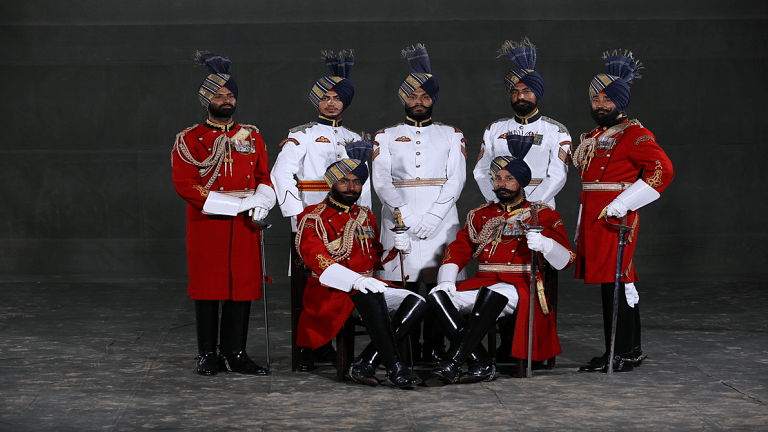
I reluctantly went to attend the Closing Ceremony. I remember walking past the President’s Bodyguards, six handsome men of above six feet height resplendent in their ceremonial uniforms and was apprehensive that I had spread Chickenpox to them and maybe to the then President of India – Giani Zail Singh.

The President’s Bodyguard

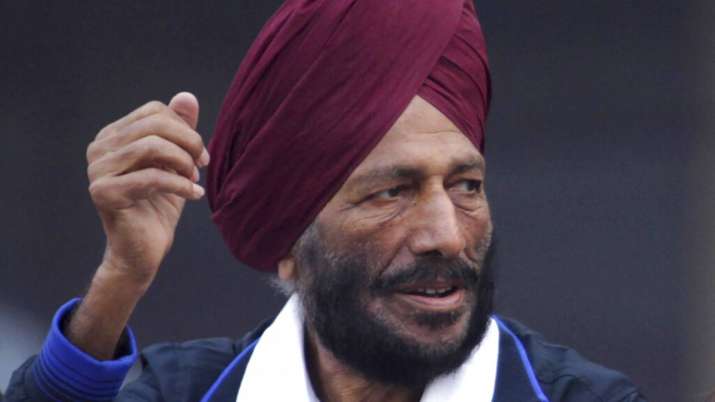
I sat quietly and alone at the back of the box; my mother was on duty and went about her work. A little later, she entered the box to seat Milkha Singh ji and his son and asked me to vacate my seat to accommodate them. Milkha Singh ji asked her, who the pretty child was and she said I was her daughter. I had been cringing away from him to keep him safe, but the moment he heard I was my mother’s child he swept me into his arms and kissed my cheeks. The very cheeks that a week earlier had had the scabs of the poxes. I pushed him away and ran out, he thought I was shy, I was just scared that I had given Chickenpox to the most famous track athlete India had ever had.

Milkha Singh, the Flying Sikh 1960 Olympics, he came 4th in the 400 mtrs race

I quizzed my mother each day of the remaining holiday about Milkha Singh ji’s well being.

Milkha SIngh circa 1982

Milkha Singh ji, thankfully survived his run-in with me and the Chickenpox virus, and lived another 39 years, unfortunately succumbing to the Coronavirus on 18th June, 2021, at the age of 91, may he rest in peace.

A Little Bit of Magic

There is a little bit of magic in all our lives. But do we always notice and acknowledge it?

I, personally, look for magic and find it more often than not, and finding magic can make a mundane and ordinary day into an extra-ordinarily happy one, it makes you feel special, it makes you feel that the universe thinks about you and cares for you and that you will be fine, no matter what rages around you.

This is an account of a little bit of fragrant magic that tickled my nose a couple of days back.

Since my partner and I pretty much lived from one travel to another, the hiatus that the dastardly Coronavirus has brought to this activity means that we have had to learn to live our life differently. Yet the travel bug causes an itch ever so often, re-living memories of old trips is the only salve for the present.

Last week we were going through our photos from 2018, of a trip to Finland at this time of the year. I shared the Facebook memory from our stay at a resort in Kivijarvi in Central Finland and in response a lovely Finnish lady whom we had befriended at the same resort in 2018, commented that she was there as she wrote. I replied, asking her to remember us to the beautiful Kivijarvi and to enjoy on our behalf as well.

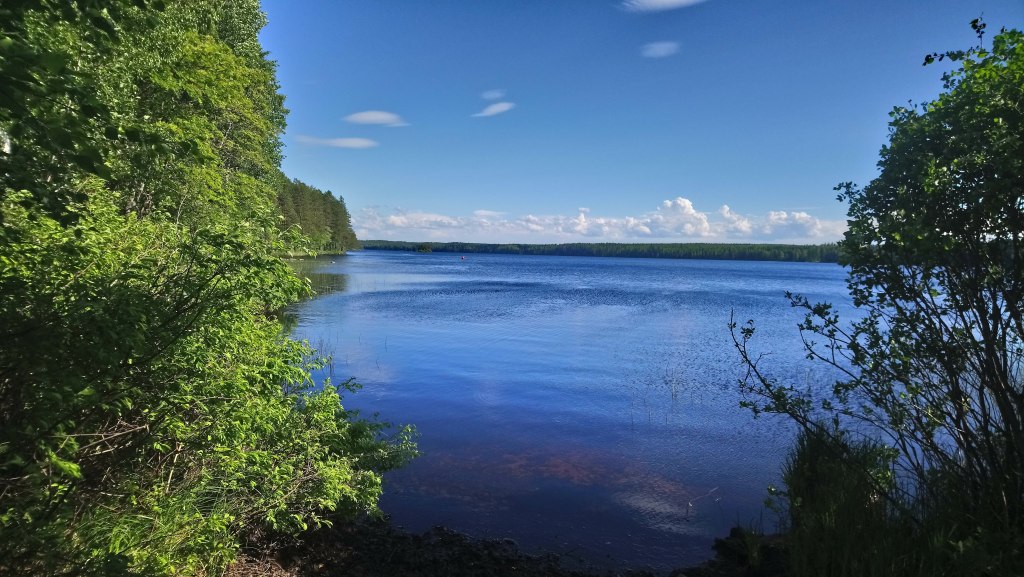
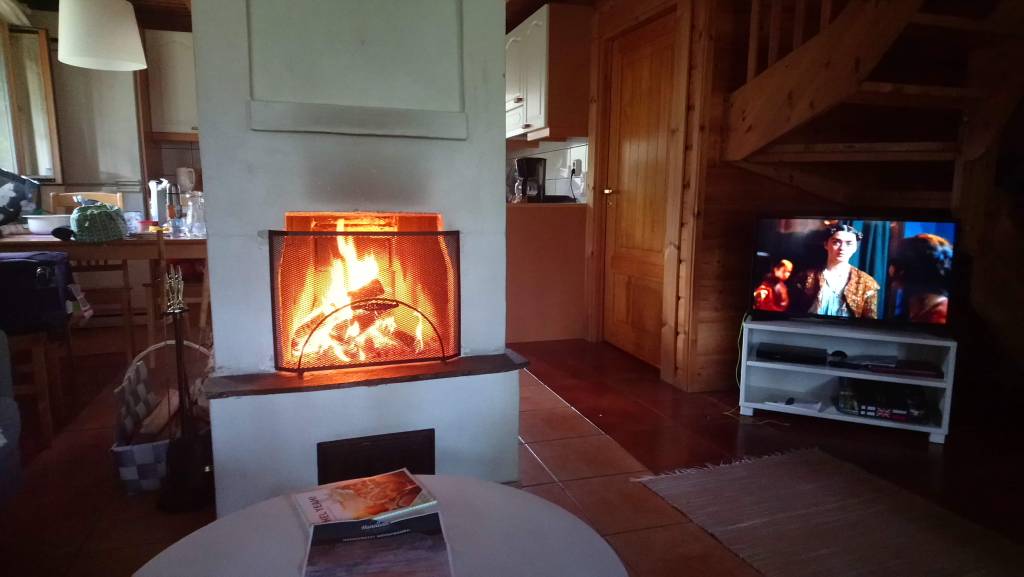
One of the memories synonymous with Kivijarvi, is a sensory memory, that of the sweet perfume that is emitted when you burn logs with lichen growing on them. We had been in Finland some two weeks before we reached the resort at Kivijarvi, and even though every place we had stayed at, had had a fireplace with the fire set-up, we had not lit a single one, feeling anxious that our lack of experience in how to go about it may render the wooden cabins unsafe. While in Kivijarvi we decided it was not rocket science, and not wanting to miss out on the opportunity went ahead and lit one. Soon after lighting the fire, a sweet smell pervaded our cabin, we were perplexed, we tried to solve the mystery, we checked for spills from our perfume bottles and found none. It was only when my partner went to add a log to the fire that he noticed the lichen and figured out that that was our fragrant friend.

Lichen Photo by Magda Ehlers on Pexels.com

We continued to light the fire the entire week we were in there and thoroughly enjoyed, what we termed as our aroma therapy.

Fire, Fragrance of Lichen and Game of Thrones, an awesome combination

Now let’s transport back to the present. A day after the Facebook post sharing the memories of Kivijarvi and the comment from my Finnish friend, I entered my living room late at night and was enveloped with the sweet smell of burning lichen, I was nonplussed, I attributed it to my fecund imagination and ability to re-create sensations felt in the past, I said nothing. A minute later my partner entered the room and started looking for a fire, I knew then that it was not my imagination.

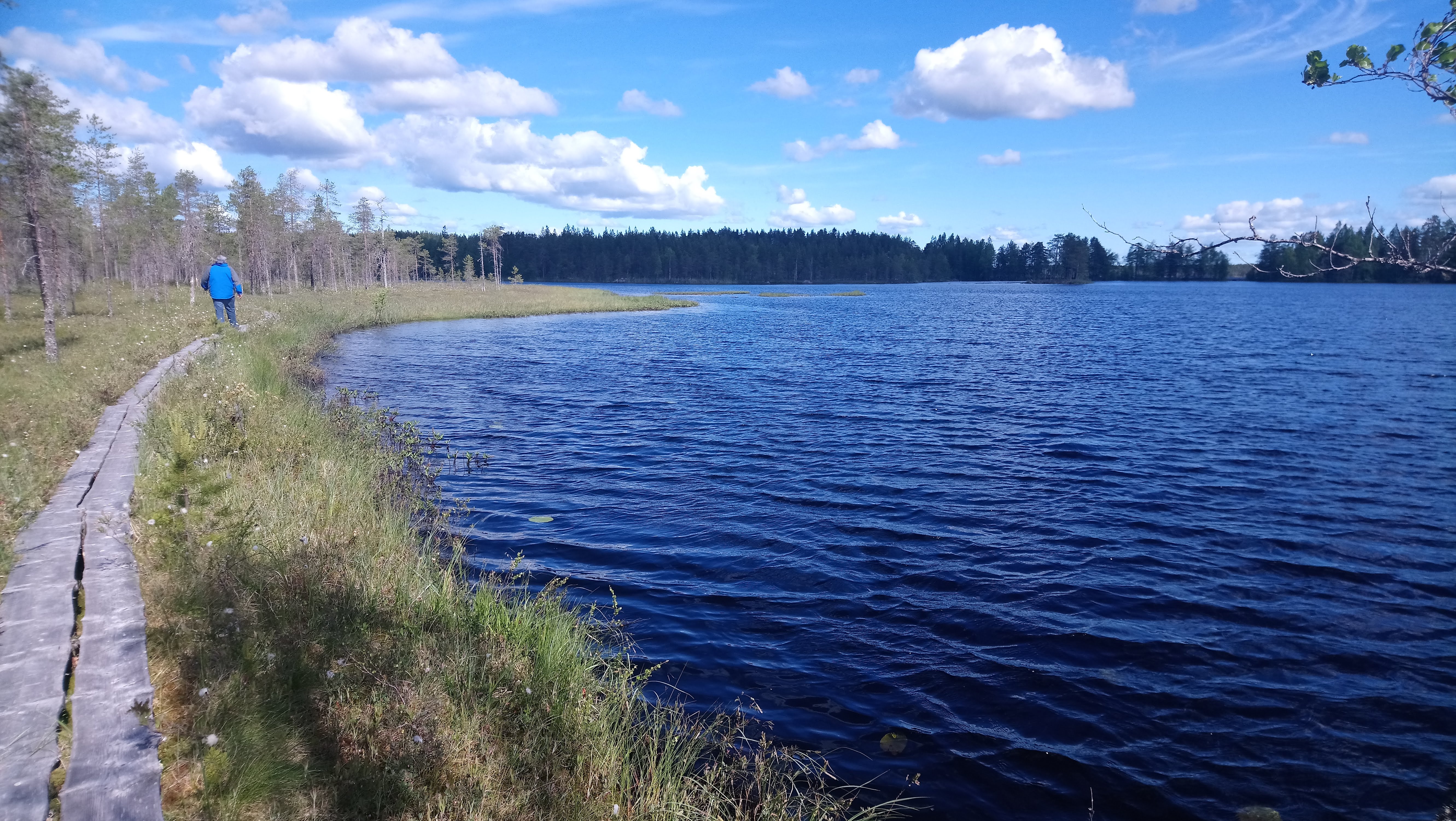
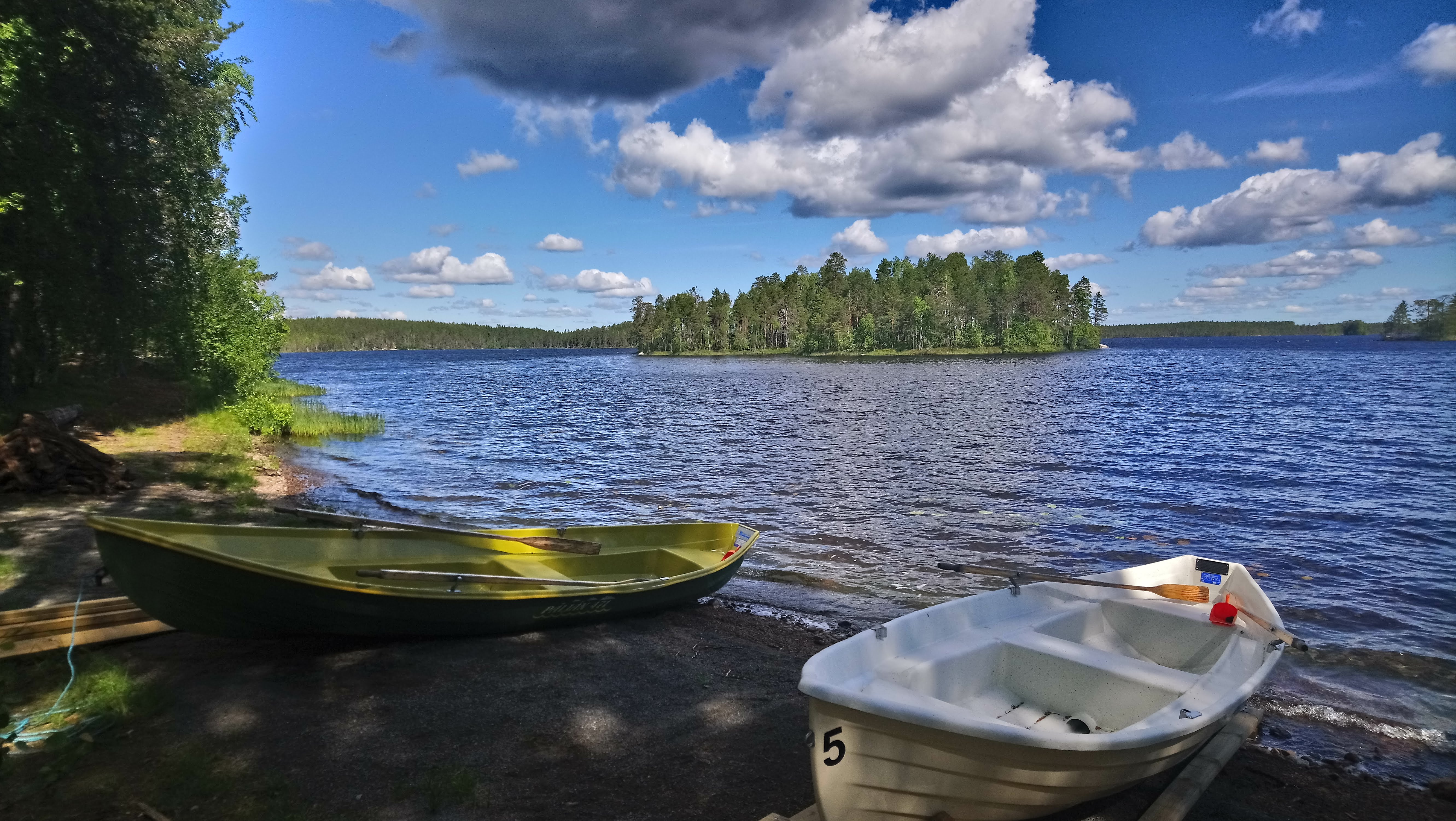
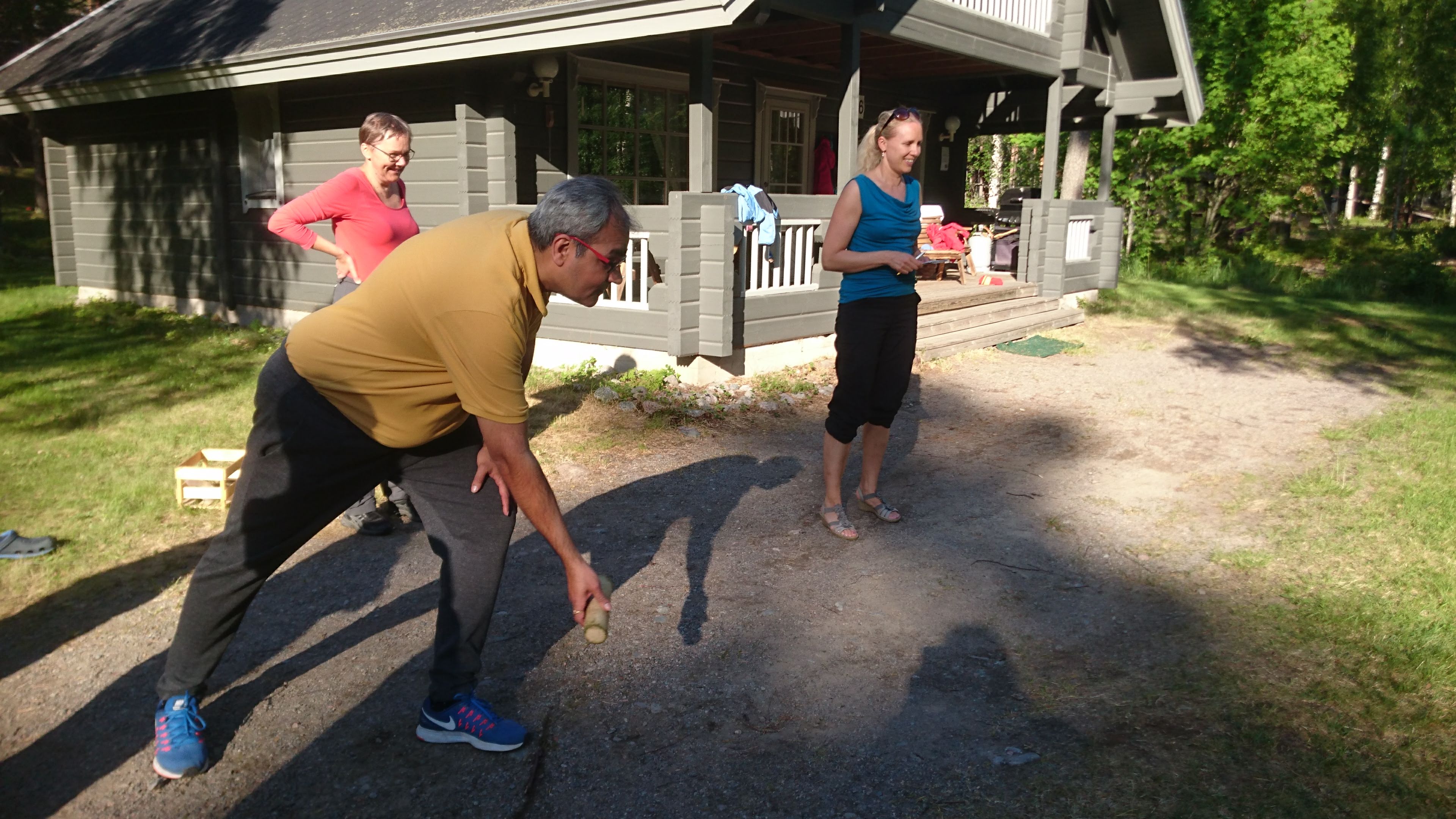
That night the perfume surrounded us, we sat in silence, the memories of Finland and Kivijarvi playing in our mind, the endless blue water, the green woods, the colourful wildflowers thronging the roads, the midnight sun, playing Mölkky with our Finnish friends and on and on.

There was no explanation for the fragrance. We were in the height of summer, it was late night, there was no fire lit in our house or in the vicinity, not that the wood would even have lichen in our neck of the woods. We felt blessed, chosen, special. The only explanation – Magic. Our friend in Finland probably lit a fire, thought of us and sent scent magic our way. Thank you life, friend and Universe!

Look for your little bit of Magic….

Hungarian from sleeve to soul!

Hungary is a land locked country in Central Europe about the size of the Indian state of Rajasthan, with a population of about 10 million. It’s biggest lake – Balaton is often referred as its sea, it has a surface area of 600 km2 and is the largest lake in Central Europe. Hungary has a history of being occupied by foreign powers much like India’s. It formed its latest Republic in 1989 after gaining independence from its Russian occupier. Hungarians are known for their poeticism and literature which is poignant as it often resounds the angst of their freedom struggles. Hungary has had 13 Noble Laureates in a variety of fields from literature to medicine and the sciences.

Did Hungarian (the language) come into my life by accident, or was it my destiny? I am often asked why I am learning Hungarian? by my compatriots, by international students and by Hungarians. Having rarely done things in my life with any calculation, I really did not know the answer myself, I have always been one to go with the flow and I believe in learning just for the sake of knowledge. But how was I navigated towards it is what I share with you.
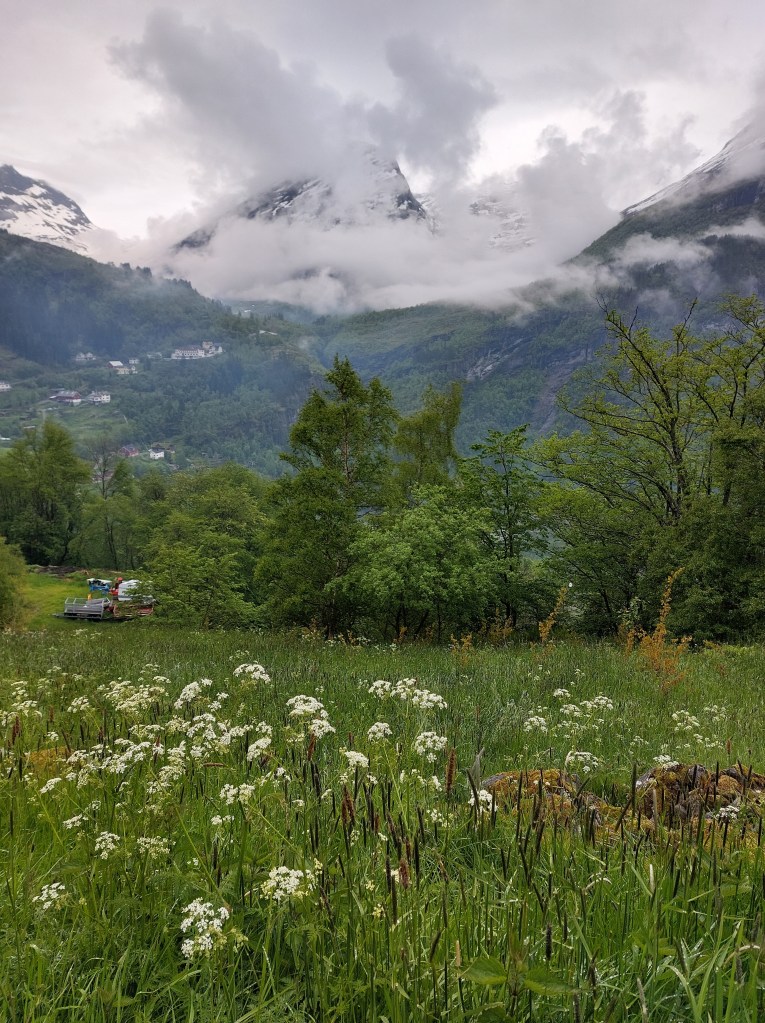
My first brush with Hungary was, when I, all of 8 years old was asked to do a school project on Europe, my grandmother sat me down with the directory, yes it was pre-Google and Email, and made me write postcards to all the European embassies and High Commissions requesting them for literature on their countries. Only a few responded, one being Hungary, which sent me booklets with pictures, which I used in my project, but I still remember the text was in Hungarian and indecipherable. It fascinated me, imagine a child, hitherto unexposed to foreign languages reacting to a sentence like “A Bükk hegység belső területeit 1977. január 1-én nyilvánították nemzeti parkká. A Bükki Nemzeti Park a hegységnek központi, nagyrészt erdős területét foglalja magába.” and wondering why there were so many splotches (the accents) and only the word Park written correctly. This could well have been the kindling of my interest in foreign languages.
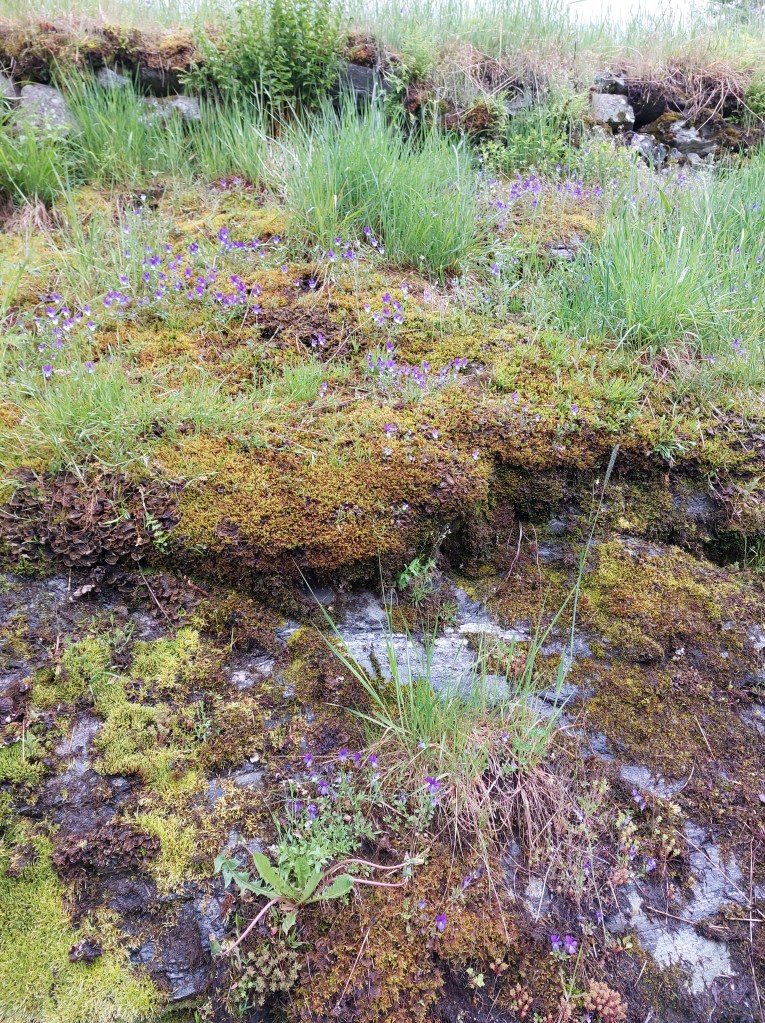
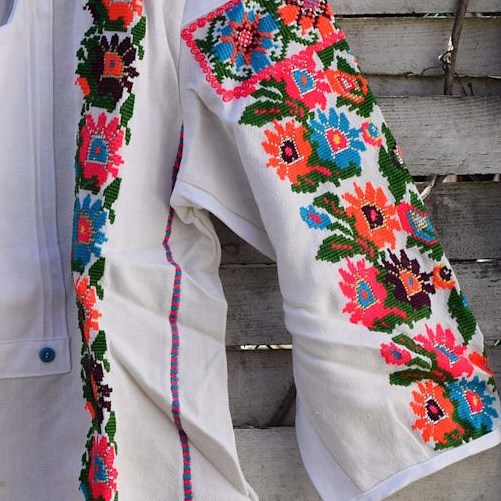
Hungarian, in Hungarian is magyar, pronounced ma-jar. The country is Magyarország. I learnt this only when I started studying Hungarian. However, a distant memory kept niggling me, I remembered my mother once suggesting when I was getting a blouse stitched as a teenager to have Magyar sleeves on it, pronouncing it of course mag-yar. It somehow occurred to me that her mag-yar might very well be my ma-jar, so I looked it up, and lo and behold, I found that the “Magyar” sleeve which is usually cut more narrowly at the elbow and widened towards the wrist is based on the Hungarian peasant style sleeve, hence the name. 

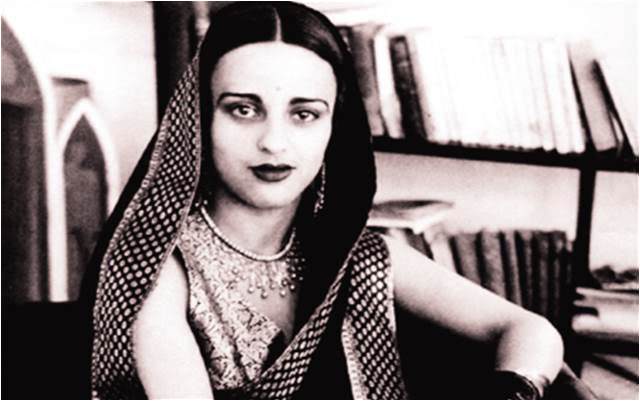
Still a teenager, I recollect, I once said to my my mother that I dreamed of buying my own house in the same locality as hers, when I grew up. My mother said that if I had to dream about such things I should at least dream of a house on Amrita Sher-Gill Street as that was the poshest street one could live on in New Delhi. This brought me to the question – who was Amrita Sher-Gil? She was a Hungarian-Indian painter, born in Budapest, Hungary on 30 January 1913 to to an Indian Jat aristocrat father, a scholar in Sanskrit and Persian, and a Hungarian-Jewish opera singer. Amrita has been called “one of the greatest avant-garde women artists of the early 20th century” and a “pioneer” in modern Indian art. She was avant-garde in more than just her painting and lived life on her own terms to unfortunately die at the young age of 28. In her short life, she lived in various places – Budapest, Hungary, Shimla, India, Paris, France, Florence, Italy  and travelled to many countries before breathing her last in Lahore, then India, present day Pakistan in 1941. A truly cosmopolitan soul whose life and travels inspired me more to travel than to earning millions to buy a house on the street named after her.

Amrita Sher-Gill

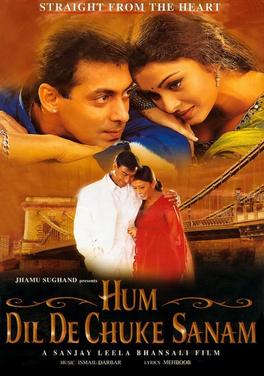
In 1999 I watched the romantic Bollywood Hindi film ‘Hum Dil De Chuke Hai Sanam‘ (I have given away my heart darling). The second half of this visually stunning, unusual love story unfolds in Europe. In the film they say it is Rome, Italy, but having visited Rome previously, I knew it was not. The city was gorgeous, I wanted to be transported into it, but alas which city was it?

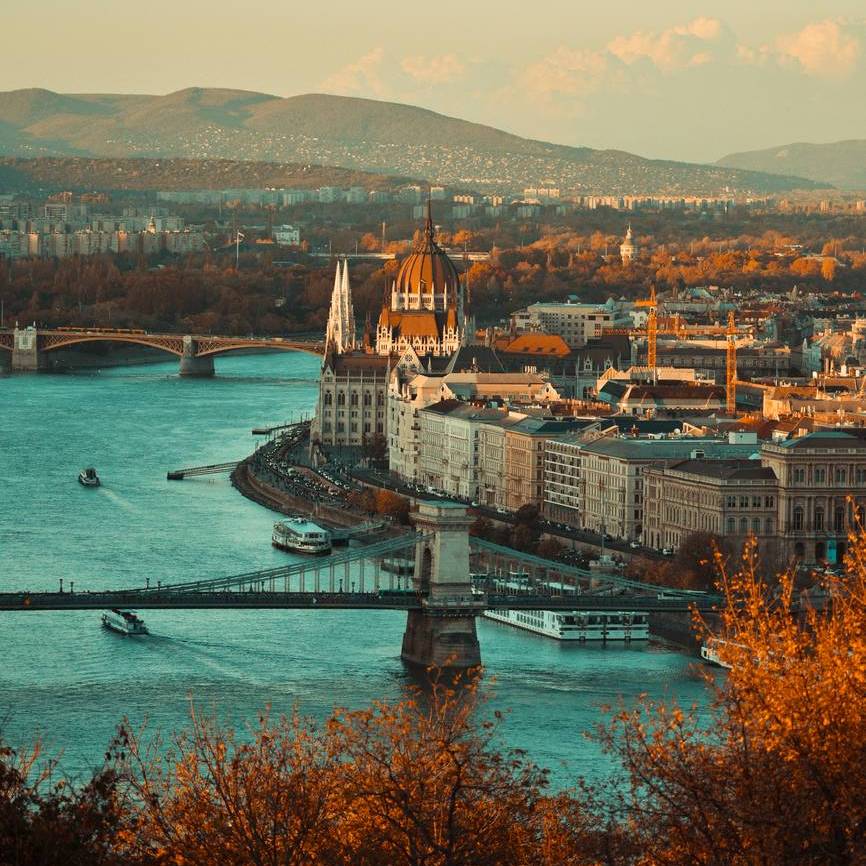
Two years down the line in 2001, I knew the answer, I travelled from Vienna, Austria to Budapest by boat on the Danube, a beautiful memorable journey. Just as the boat turned the bend and I saw the iconic Széchenyi Chain Bridge that spans the cities of Buda and Pest, I experienced a strong sense of déjà vu, had I been here in a past life? Maybe, but then I recollected Nandini, the female character from the above Hindi film running across the bridge and I knew immediately that I had found the city I had so longed to visit. My excitement multiplied manifold and Budapest did not disappoint. I do wish that the grave injustice of calling it Rome in the film could somehow be righted.

In 2012, my husband and I visited Budapest, Hungary together and while doing the research in advance of the holiday, I learnt that Taxi drivers in Budapest were known for fleecing their passengers so I thought that if I could say the names of the places with a perfect Hungarian accent I could avoid being fleeced. One of the places that my guide book said was a must visit was the Váci Utca, perhaps the most famous street (utca) of Budapest. I goggled the pronunciation and found that the Hungarian ‘c’ has a pronunciation unknown to English, Hindi, French or Portuguese, the languages I then spoke, but was pronounced identical to the ‘च’ in Marathi, incidentally the same alphabet ‘च’ in Hindi is pronounced like the English ‘ch’ and the Hungarian ‘cs’. Being fluent since childhood in Marathi, the language spoken in the west Indian state of Maharashtra where my grandmother belonged, I had always adored the interesting rasp of the Marathi ‘च’, it is the pronunciation of this alphabet that marks the authenticity of the accent of a Marathi speaker as does the pronunciation of the Hungarian ‘c’ for a Hungarian learner. I was fascinated and charmed with the discovery of this similarity. In Budapest itself, I found English widely spoken and the taxi drivers still took us for a ride, I obviously was not pronouncing the place names convincingly. However, our interest in Hungary grew, thanks to the lovely people we interacted with.

One evening, while we were in there, we paid a small ransom for a taxi to get us to Margaret Island, an island in the Danube. I had booked tickets online, when in India, for what I had thought was a philharmonic which actually turned out to be a Filmharmonic, which was even more interesting. It was a live orchestra playing out famous film tunes while scenes from the movie were projected onto a huge scene – Benhur, Godfather and the likes. It was already 9 pm by the time they had the interval and we were very nervous about how we would find our way to Pest, where we were lodging, so late at night, we had no local mobile phone to book a cab and even if we managed to book a cab, we were worried about what the chappie may charge. In the interval we made enquiries and found that a ferry would leave after the show and dock at various places, one from where our hotel was walking distance, we breathed a sigh of relief and bought the ferry tickets. We then settled down to enjoy the second half of the show. When the show was over, everyone just seemed to vanish into the darkness, we had no clue as to which direction we should walk in to get to the boat, just as were panicking about this, as if by magic a tall, at least 6ft 3inch tall, strikingly good-looking man dressed in a beautiful dusky pink suit accompanied by an equally striking lady in a little black dress said ‘Follow me’, I looked at him questioningly and he said ‘you need to catch the ferry don’t you?’, we gratefully followed them to the ferry, all the while discussing the similarities between Budapest Taxi drivers and Delhi Autorickshaw drivers. As we walked onto the ferry and headed into the cabin, we bid the couple, who wanted to remain on deck adieu, a little disappointed that our cultural exchange had been cut short. We sat down inside and a couple of minutes later the Hungarian couple came in and the gentleman said that if we did not mind, he wanted to talk with us some more, we were thrilled. Unfortunately, his companion was not comfortable speaking English but did seem to understand us and never looked bored we talked of travel, food and clothes. He was a patisserie chef, with his own pastry shop, he advised us to eat Dobos, a Hungarian sponge cake layered with chocolate buttercream and topped with caramel and Eper Torta, strawberry cake. Too soon, it was time for them to embark, we waved them goodbye as if they were lifelong friends. This wonderful gentleman came to be referred by as the ‘Pink Angel’, every time we feel humanity is disappointing us, we remember ‘Pink Angel’ and the world seems just a little more tolerable.

My next contact with Hungarians took place in the first week of January 2017, my husband and I were on the island of Capri in Italy for New Year and soon thereafter the island was slowly shutting down for the off-season. One evening we were in one of the few restaurants that were still open and noticed that the couple on the table next to us were having difficulty communicating with the waiter in English. Being newly conversant in Italian, I did not miss the opportunity to translate for the benefit of all. This got us couples chatting and I soon found out that they were Hungarians, we chatted during the rest of our dinners, when we finished, we said goodbye and started walking towards our respective hotels, only to start wondering as to who was following whom as we were walking in the same direction, soon to discover that we were living in the same hotel. We invited them for a nightcap and chatted amiably for another hour. Our routine for the next few days, that remained of their holiday were set, we would meet in our suite post in the evening over wine and food and discuss all sorts of subjects – travel, the environment, politics etc., all in English of course. On the third night I got a call from Reception enquiring if the Hungarian couple was in my suite as there was another Hungarian guest who wanted to meet them, I told the receptionist to send him up. My Hungarian friends said that I should let him enter greeting him with ‘Szia‘ – Hello in Hungarian, pronounced exactly like the English ‘see ya’ and confound him. So that is what I did and the new acquaintance responded with a sentence of Hungarian to which I confessed that I was only taking the Mikey out of him and that I was actually Indian. He joined our little group and I soon discovered that he was half Italian, half Hungarian. We spent another evening, now the five of us chatting and dining on a lovely pasta dinner cooked by my husband. I remember that we all went for a walk after dinner and were chatting about Budapest when during a conversation about the Budapest train stations, I said ‘Keleti pu’ remembering the name of the Eastern Railway Station, the male counterpart of Hungarian couple was so touched that I pronounced this word so authentically, that he spontaneously hugged me. Such is the value of knowing even a word in a foreign language. As all good things come to an end so did our meet-ups the Hungarian couple left next morning and the next two days were spent in the company of the Hungarian-Italian, till my husband and I too left Capri. All in all, the Hungarians had endeared me to them once again.
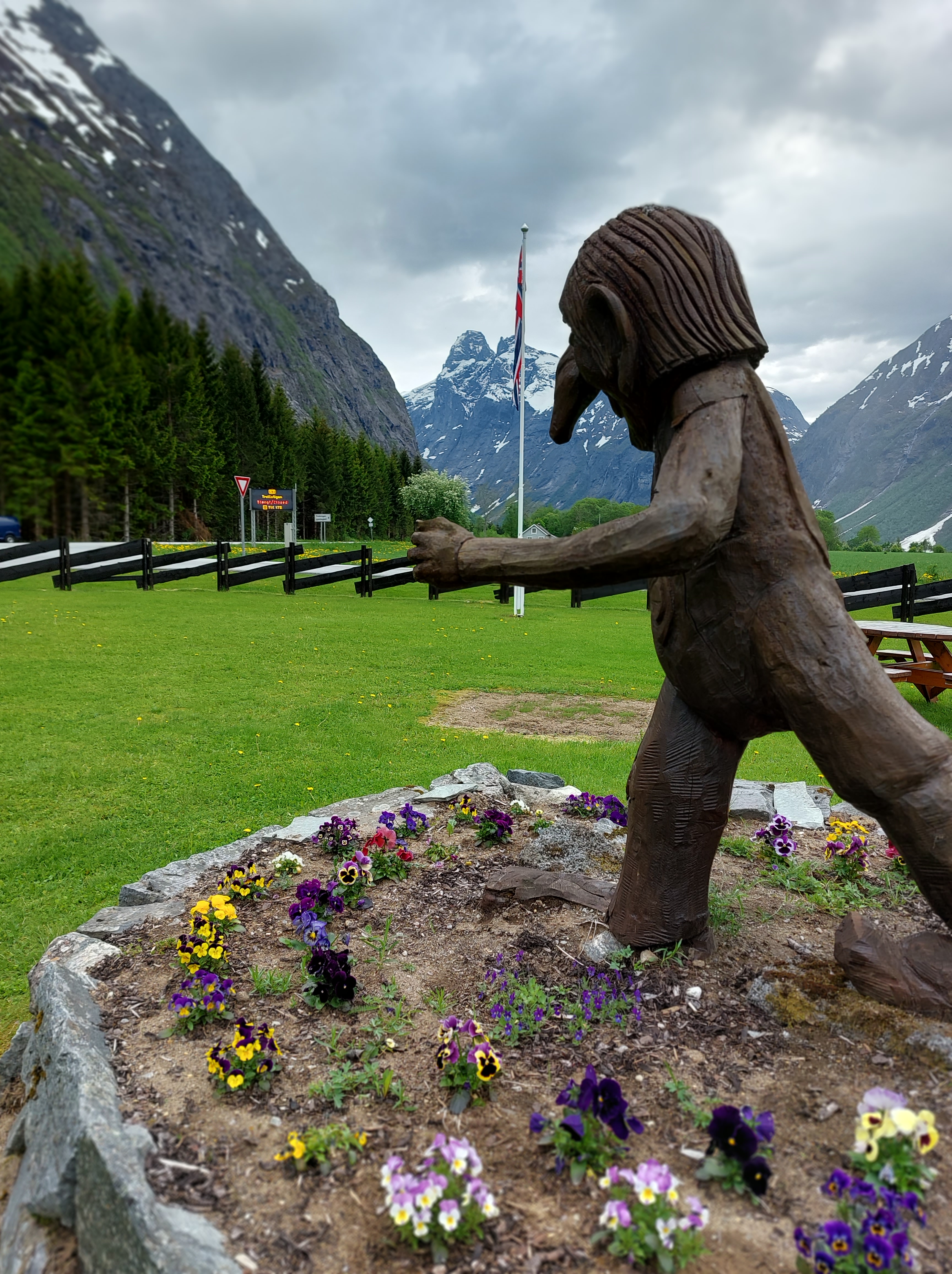
In 2017, I came to know of the ‘free’ Hungarian lessons offered by the Hungarian Information and Cultural Center, New Delhi now Hungarian Cultural Institute Delhi/ Magyar Kulturális Intézet Delhi. I had till then only studied Romance Languages and wanted a more challenging language to study, it seemed providential that I had an opportunity to study Hungarian which is of the Finno-Ugric group of the Uralic language family. I was in Italy when the session started that year, so I waited a whole year, with excitement and applied for the Hungarian course in October 2018. I was hooked on the first day itself, the Hungarian work ethic was at display, the dainty Hungarian Teacher, the handsome and welcoming Director and the smart efficient administrative lady gave us an entrance test and the result and we were set to go.

Frankly just being in the company of the dainty Hungarian teacher was enough incentive to attend the classes, learning the language, that too for free an added bonus. The teacher was tireless, classes were always on time and never cancelled, there were no coffee breaks leave alone long ones that had galled me while learning other languages. Over the six months of the course I learnt of Hungarian history, literature and culture. We celebrated all the important Hungarian days reciting Hungarian poetry, learning Hungarian songs, there were cultural events when Hungarian artists visited India and I was fortunate to even socialize with some. It was the respect that the teacher and the Director of the Institute showed India that made me respect them even more. They exhibited no sense of superiority which I had observed in other such foreign language institutions in India.

The language itself has a fascinating structure. Hungarian is an agglutinative language that uses mainly suffixes to change the meaning of words and their grammatical function. For example, possessive pronouns and prepositions get added as suffixes to the objects themselves. The other challenge that Hungarian brought was the need to learn a lot of words. Unlike the Romance Languages which share a lot of words, be it may written or pronounced slightly differently most Hungarian words were completely new to me and required a lot of effort to memorize. I give you an example the word ‘National’ in French is ‘National/e’, in Portuguese ‘Nacional’ in Italian ‘Nazionale’ in German ‘National’ in Hungarian it is ‘Nemzeti’.

Having fared well with my studies, I recently had the opportunity to attend a four-week Hungarian Language online course at the MagyarOK-Digital Summer University / Digitális MagyarOK of the University of Pécs, Hungary due to the Covid 19 pandemic. Here again, the Hungarian efficiency was in evidence, the teachers were efficient, competent, graceful and kind. The only grouse that I could possibly have was, that the course was conducted a bit too much like clockwork, the syllabus was adhered to at all times, I would have liked more of the personal and cultural touch that I had got used to during my studies in India. I hope that someday I will get an opportunity to go to the town of Pécs and attend the summer course physically and absorb the sights, sound and sensations of the culture which are an important aspect of learning a language. 

I have come to both admire and envy the Hungarian efficiency, anyone who craves such efficiency in the systems of their country will understand why ‘envy’.

I am not naïve and I know that there are all sorts of people in every country. I am well aware of the current politics of Hungary, another common denominator with India, with both countries leaning towards the far right, not something that makes me rejoice. But, the low notes in my Hungarian Rhapsody notwithstanding, Magyar has come to be an indelible part of my soul.
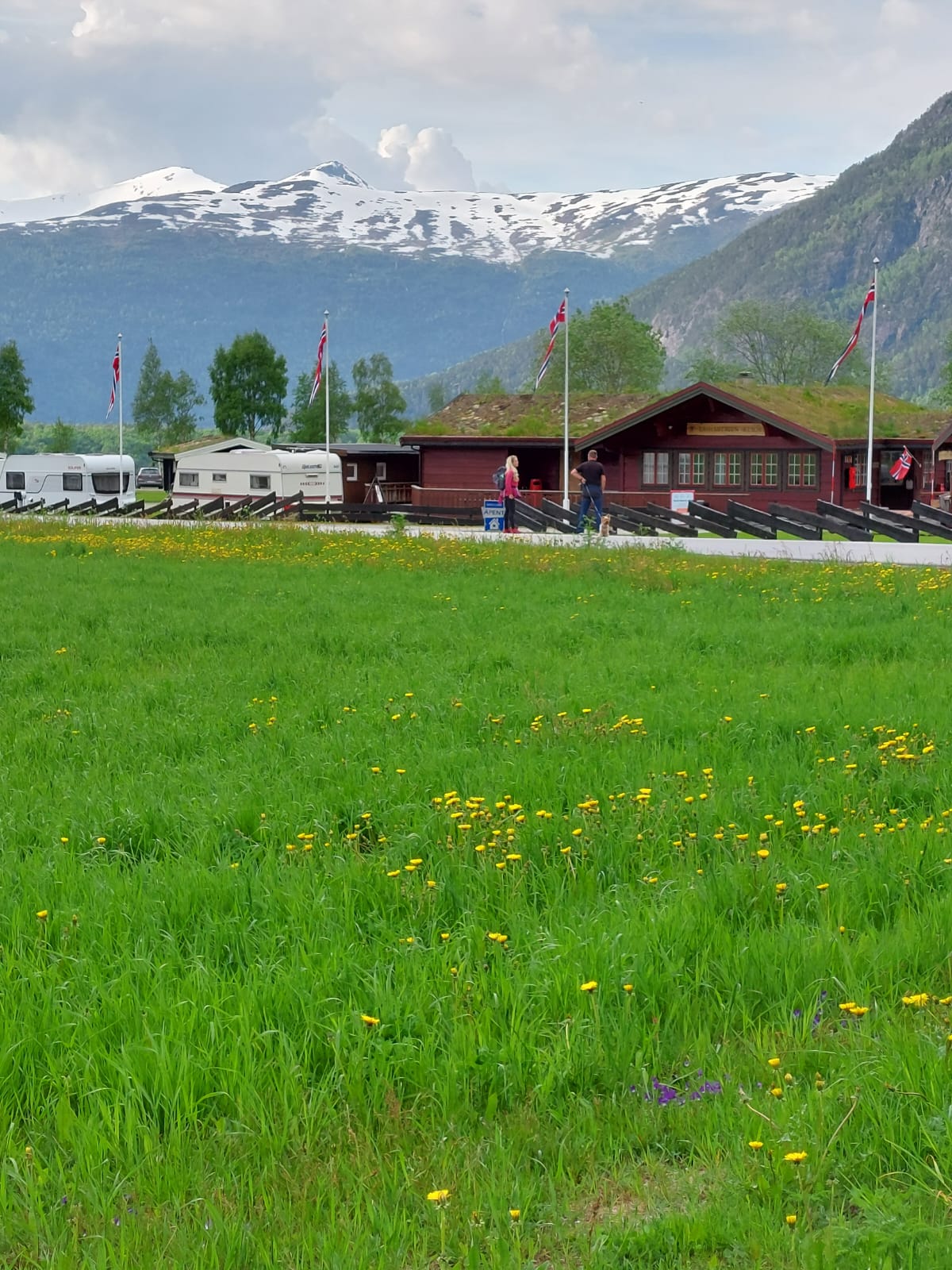
Orbetello – not just another Tuscan Town

It was December 2016, my husband and I had just the day before taken our exam for the first semester – Level A1.1 of Italian and we were flying to Italy for Christmas. Even more than 4 years later, I can still feel the euphoria.

I remember the last meal we had at home before the flight, a delicious salad of the leftover vegetables in the fridge, all the eggs and of course a can of tuna, which was added only to ease our extreme reluctance to eat something purely vegetarian.

Leftover Salad

The flight was a movie marathon accompanied by in-flight dining. We landed in Rome at about 2pm and immediately went to pick up our rental car, the service provider was Noleggiare, incidentally noleggiare is an italian transitive verb which means – to hire, what a wonderful way it was to learn a new verb.

We were headed north of Rome to Tuscany, and had chosen the town of Orbetello to break journey for the night, after many nervous wrong turns on the freeway we managed to drive through the centre of Civitavecchia to our night stop reaching Orbetello just before dusk.

Orbetello is a small town located at the tip of an isthmus running through a lagoon south of the Parco Regionale della Maremma. We located our hotel and our first chit chat in Italian bore us ripe fruit when the cheerful friendly Receptionist of our hotel – Hotel Relais Presidi guided us to a wonderful ‘tipico’, a local restaurant – Trattoria Rugantino for dinner. It is one of our most memorable evenings till date. The staff was indulgent, the ambience incandescent, the flavours decadent, and the mood ascendant. I could return to Italy, just to eat there….magari!

Meat and Two Veg

The libations and partaking continued till late at night after which we strolled through the town, not a soul in sight not a sound in the night and admired the piazzas and buildings through the canopy of Christmas lights.

Piazza Eroe dei Due Mondi

The next morning we took a brisk walk along the shore admired the birds and the palm trees, had a wonderful breakfast at the hotel, the orange juice, which we could squeeze ourselves, being the highlight and set off further north.

Compassion, nostalgia, apprehension, anger, boredom, time, selfishness, selflessness, history, posterity, fallibility and a gamut of other factors and emotions have lead me to penning down these our happy memories of Italy. Read next – Sienna.